


Let’s talk about stocking your 5-gallon tank. How many fish can be in a 5 gallon tank?
A common question often asked by fish keeping beginners.
It may seem like a small detail, but getting it right is crucial for the health and happiness of your aquatic friends.
So, how many fish can you keep in a 5-gallon tank? Great question!
The answer isn’t quite as simple as you might think.
Several factors come into play, such as fish size, temperament, and species compatibility.
Don’t worry, though – we’ll break it all down for you in this comprehensive guide.
Overstocking a fish tank can lead to serious problems. It puts stress on your finned friends, degrades water quality, and can even cause disease outbreaks.
Let’s learn how to create a balanced, healthy environment for your fish to thrive in.
Stay with me as we explore the fascinating world of fish keeping, and discover just how many fish you can comfortably accommodate in a 5-gallon tank.
Let’s dive in!
How Many Fish Can Be In a 5 Gallon Tank?
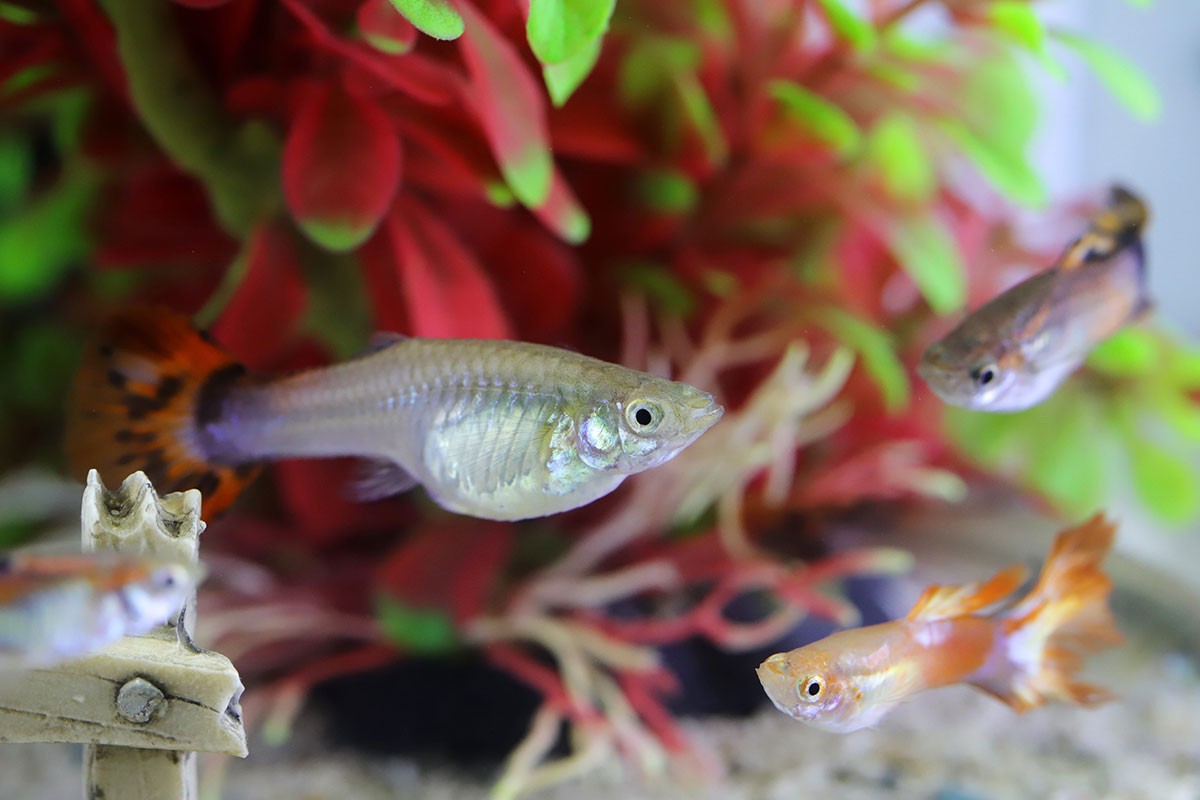
Determining the number of fish suitable for a 5-gallon tank is contingent on several factors including the type of fish, their size, activity level, and social behaviors.
In a 5-gallon tank, a single Betta fish or a trio of Guppies (one male, two females) is recommended. Similarly, 3-4 Endler’s livebearers or a small group of 4-6 Dwarf Rasboras would also fare well.
It’s vital to remember that while the tank size is crucial, so too are the fish’s natural behaviors, water quality, and the tank’s overall environment.
The primary goal is to create a stress-free, healthy environment for the fish to ensure their long-term well-being.
Always consider upgrading to a larger tank when possible for the overall health and happiness of your aquatic friends.
The ‘inch per gallon’ rule is a basic guideline often used, yet it’s crucial to note its limitations.
Small, peaceful species such as Betta fish, Guppies, Endler’s livebearers, and Dwarf Rasboras can be suitable for a 5-gallon tank, given their size and low activity levels.
The Inch-per-Gallon Rule
This simple guideline has been passed down through generations of fish keepers. But what exactly does it mean? Allow me to elucidate.
The inch-per-gallon rule is a basic formula to help you determine how many fish you can safely keep in your aquarium.
For every gallon of water in your tank, you can stock one inch of fish. So, in a 5-gallon tank, you’d be able to keep five inches of fish. Easy peasy, right?
But wait! There’s more to the story. While the inch-per-gallon rule is a useful starting point, it’s not a one-size-fits-all solution.
Fish come in all shapes and sizes, with different needs and behaviors. Plus, they grow!
That cute little fish you bring home today could be a monster in a few months.
Don’t panic! We’re here to help.
As we progress through this guide, we’ll take a closer look at the intricacies of fish stocking, and reveal the secrets to creating a harmonious, healthy 5-gallon tank.
How To Apply The Rule To a 5-Gallon Tank
So, you’re eager to apply the inch-per-gallon rule to your 5-gallon tank? Wonderful!
But before we jump in, let’s remember that this rule is merely a starting point.
It’s crucial to consider additional factors like fish species, growth potential, and compatibility. With that said, let’s dive in!
1. Calculate Your Tank’s Stocking Capacity
First, calculate your tank’s stocking capacity using the inch-per-gallon rule.
For a 5-gallon tank, you have a total of five inches of fish to work with.
Exciting, right? But hold your seahorses! We need to think this through carefully.
2. Fish Species Research
Next, research the fish species you’re interested in. Pay attention to their adult size, as they’ll grow (sometimes surprisingly fast!).
For example, if you’re eyeing a species that reaches two inches as an adult, you could potentially keep two of them in your 5-gallon tank (2 inches x 2 fish = 4 inches).
But don’t forget – this is just a guideline!
3. Compatibility
Now, let’s talk compatibility. Some fish are social and love company, while others prefer solitude.
And some fish are downright bullies!
Keep these factors in mind when selecting your fishy friends. The last thing you want is a turf war in your tank!
4. Adjust Stocking Levels
Finally, be prepared to adjust your stocking levels over time.
As your fish grow, you may need to rehome them or upgrade to a larger tank. After all, a happy fish is a healthy fish!
In summary, the inch-per-gallon rule is a helpful starting point, but it’s not the whole story.
Keep in mind the unique needs and behaviors of your fish, and you’ll be well on your way to creating a thriving, harmonious 5-gallon tank.
Types of Fish Suitable for a 5-Gallon Tank
Ready to meet some fantastic fish species perfect for your 5-gallon tank?
Let’s go! Remember, the fish we’ll discuss here are just a few examples.
There are many other possibilities, but these popular choices are perfect for beginners and experts alike.
So, without further ado, here are some fishy friends to consider:
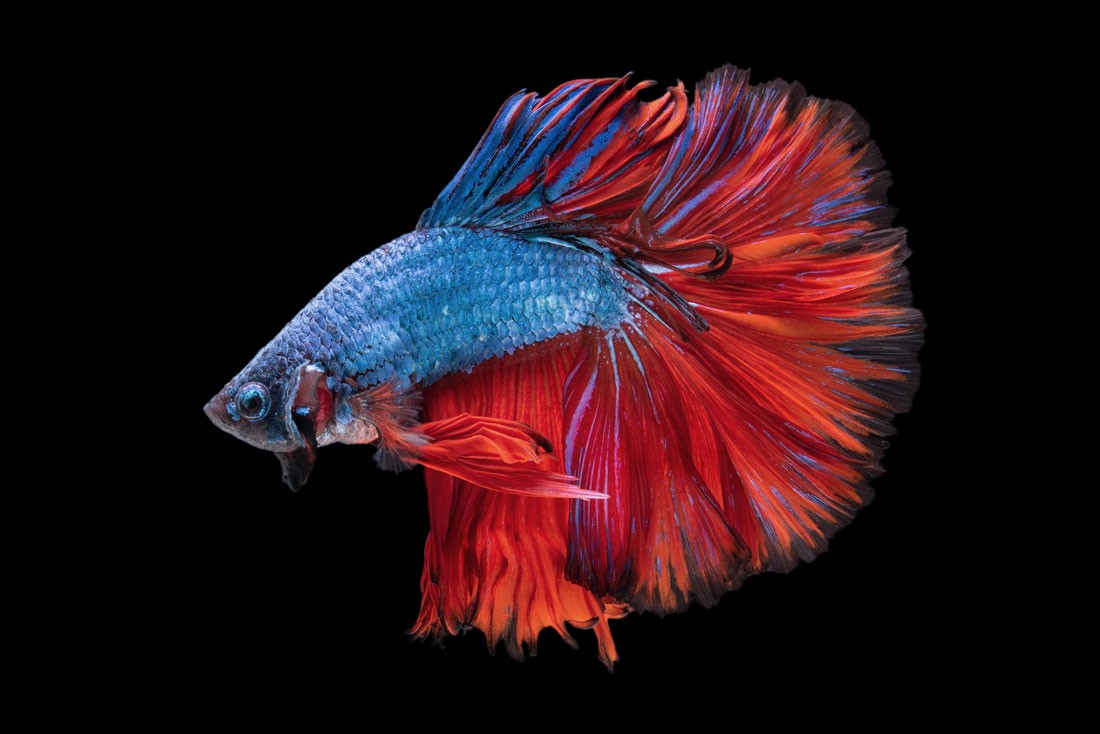
Betta Fish
These vibrant, colorful fish are an all-time favorite for small tanks.
But be warned – they’re territorial and prefer to live alone.
Male Bettas are especially aggressive towards each other. A single Betta is perfect for your 5-gallon tank.
Pros:
- Beauty and variety: Betta fish come in a stunning array of colors, patterns, and fin types. From metallic blues to fiery reds, there’s a Betta to suit every taste. You’ll never tire of admiring your aquatic gem!
- Low maintenance: Bettas are hardy fish that can tolerate a wide range of water conditions. This makes them an excellent choice for beginners or those with busy schedules. Just remember to maintain a clean, warm environment for your Betta to thrive.
- Interactive personality: Betta fish are known for their curious and interactive nature. They’ll often swim up to the tank’s glass to greet you and might even recognize their owner. You’ll love bonding with your new aquatic friend!
Cons:
- Territorial nature: Bettas are fiercely territorial, particularly the males. They must be kept alone or with suitable tank mates, such as snails or certain shrimp species. Introducing another Betta, especially a male, can result in severe aggression or even death.
- Limited tank mate options: Due to their aggressive tendencies, you can’t keep a Betta with many other fish species. Additionally, fish with long, flowing fins might tempt the Betta to nip at them. Careful research is needed when considering tank mates.
- Fin nipping and tail biting: Some Bettas are prone to fin nipping, damaging their beautiful fins. This behavior is often a result of stress or boredom, so it’s essential to provide a stimulating environment with hiding spots and decorations.
Guppies
These little guys are full of personality and come in a dazzling array of colors and patterns.
Guppies are social fish, so keep them in small groups.
A trio of guppies (one male, two females) could work in a 5-gallon tank. Remember, they breed easily, so be prepared!
Pros:
- Colorful and diverse: Guppies come in an astonishing variety of colors, patterns, and fin shapes. This diversity allows you to create a visually stunning and lively tank. There’s always something new to discover with these captivating fish!
- Social and friendly: Guppies are peaceful, social fish that thrive in small groups. They’ll happily coexist with other non-aggressive species, making them an excellent choice for a community tank.
- Easy to care for: Guppies are hardy and adaptable, making them a great option for beginners. They can tolerate a range of water conditions and eat various foods, from flakes to live and frozen options.
Cons:
- Breeding: Guppies are prolific breeders. If you keep males and females together, they’ll quickly multiply, potentially overstocking your 5-gallon tank. To manage the population, consider keeping only males or using a separate breeding tank.
- Delicate fins: Guppies have delicate fins that can be nipped by more aggressive or curious tank mates. When selecting other fish species for your tank, opt for those with peaceful temperaments.
- Disease susceptibility: Guppies can be prone to certain diseases, like fin rot or ich. It’s crucial to monitor your fish for any signs of illness and maintain proper water conditions to keep them healthy.
Endler’s Livebearers
Similar to guppies but with a wild, natural flair, Endler’s livebearers are small, active fish that do well in groups.
A small group of 3-4 Endler’s could thrive in your 5-gallon tank. Keep an eye on the males, though – they can be feisty!
Pros:
- Unique appearance: Endler’s livebearers boast a wild, natural beauty with shimmering colors and intricate patterns. They’ll add a touch of the exotic to your small tank, captivating both you and your visitors.
- Active and engaging: These fish are always on the move, darting around the tank and exploring their environment. Their high energy levels make them a delight to watch and add a dynamic element to your aquarium.
- Hardy and adaptable: Endler’s livebearers are relatively hardy fish that can tolerate a range of water conditions. This makes them a suitable choice for both beginner and experienced aquarists.
Cons:
- Male aggression: Although they’re generally peaceful, male Endler’s livebearers can display aggressive behavior towards each other. To prevent conflicts, ensure you have an appropriate male-to-female ratio, usually one male to two or three females.
- Breeding: Like guppies, Endler’s livebearers breed readily. If you don’t want a population explosion in your 5-gallon tank, consider housing only males or using a separate breeding tank to control their numbers.
- Space requirements: While these fish are small, they’re also quite active. A 5-gallon tank is the minimum size for a group of 3-4 Endler’s livebearers. However, a larger tank would provide them with more swimming space and reduce stress.
Dwarf Rasboras
Tiny, peaceful, and schooling fish, Dwarf Rasboras are a lovely addition to small tanks.
In a 5-gallon setup, you could keep a small group of 4-6.
They’ll appreciate some plant cover for hiding and exploring, so get creative with your aquascaping!
Pros:
- Peaceful temperament: Dwarf Rasboras are known for their calm, non-aggressive behavior. They coexist well with other peaceful fish, making them an excellent choice for a harmonious community tank.
- Schooling fish: These tiny fish form tight-knit schools, creating a mesmerizing display as they swim in unison. Their synchronized movements add an enchanting dynamic to your aquarium.
- Plant-friendly: Dwarf Rasboras appreciate planted tanks, which provide hiding spots and a sense of security. Their preference for plants means they’ll complement your aquascaping efforts and contribute to a lush, natural-looking environment.
Cons:
- Sensitivity to water quality: Dwarf Rasboras are sensitive to water conditions and require stable parameters. Regular water testing and maintenance are essential to keep these fish healthy and stress-free.
- Shyness: Although they’re peaceful, Dwarf Rasboras can be shy and easily intimidated by larger or more active fish. It’s crucial to select appropriate tank mates to ensure your Rasboras feel secure and comfortable.
- Feeding challenges: Due to their small size, Dwarf Rasboras require tiny, nutrient-rich foods, such as micro-pellets or finely crushed flakes. Live or frozen foods like daphnia or baby brine shrimp can also be a great treat.
Tips For Choosing Healthy Fish
When selecting your new aquatic pals, look for signs of good health, such as bright colors, clear eyes, and active swimming.
Avoid fish with clamped fins, spots, or erratic behavior. A healthy fish means a happy tank, so choose wisely!
In conclusion, there are plenty of fish species that can thrive in a 5-gallon tank.
Remember to consider their adult size, compatibility, and specific needs when making your choice. Happy fish shopping!
Tank Setup and Maintenance for a 5-Gallon Tank
Creating the perfect environment for your fish is essential to their well-being.
Let’s delve into the key elements of setting up and maintaining a 5-gallon tank, ensuring it’s a safe and enjoyable home for your aquatic friends.
A. Tank Setup
- Choose the right location: Place your tank away from direct sunlight, drafts, and heat sources. A stable temperature and light conditions are crucial for your fish’s health.
- Substrate: Select a substrate suitable for your fish species, such as gravel or sand. Rinse it thoroughly before adding it to the tank.
- Filtration: Install a high-quality filter to remove waste, toxins, and debris, ensuring clean, healthy water. Choose a filter designed for small tanks, avoiding strong currents that may stress your fish.
- Heating: Many fish species require a consistent water temperature. Invest in a reliable heater, and use a thermometer to monitor the temperature.
- Plants and decorations: Add live or artificial plants, rocks, and ornaments to create hiding spots and visual interest. Match the décor to your fish’s natural habitat for a comfortable, stimulating environment.
B. Maintenance
- Water changes: Regular water changes are vital for maintaining water quality. Replace 25-30% of the water every 1-2 weeks, using a gravel vacuum to remove waste and debris.
- Water testing: Test the water for ammonia, nitrite, nitrate, and pH levels to ensure optimal conditions. Adjust as necessary, and keep a record of your results.
- Filter maintenance: Clean or replace filter media as recommended by the manufacturer. Avoid replacing all media at once to preserve beneficial bacteria.
- Algae control: Keep algae in check by limiting light exposure and removing excess nutrients. Use an algae scraper or magnet cleaner to remove algae from the tank walls.
- Feeding: Offer your fish a varied diet of high-quality foods, feeding only what they can consume within a few minutes. Remove uneaten food promptly to avoid water quality issues.
By following these guidelines for setup and maintenance, you’ll create a thriving, well-balanced environment for your fish in a 5-gallon tank.
Factors to Consider With Fish In a 5 Gallon Tank
When choosing fish for your 5-gallon tank, it’s essential to keep additional factors in mind to ensure the health and happiness of your aquatic pets. Let’s discuss some crucial aspects you should consider when setting up your small aquarium.
A. Compatibility
- Temperament: Choose fish with similar temperaments to prevent bullying or stress. Peaceful fish will thrive in a calm community tank, while more aggressive species may require solitary living arrangements.
- Size: Avoid mixing large fish with smaller species to reduce the risk of predation. All fish in your 5-gallon tank should have ample space to swim and grow.
- Water parameters: Ensure that all fish in your tank thrive in similar water conditions, such as temperature, pH, and hardness. Mismatched parameters can lead to stress, disease, and even death.
B. Fish Behavior and Activity Level
It’s crucial to consider the natural behavior and activity levels of the fish you choose for your 5-gallon tank. By catering to their specific needs, you’ll create a comfortable, stimulating environment where your fish can thrive.
Schooling vs. solitary fish:
Schooling fish:
- Enjoy the company of their own species, forming tight-knit groups for socializing and protection.
- Typically require a minimum number of individuals to feel secure and display natural behaviors.
- Create a visually appealing display as they swim in unison, adding movement and dynamism to your tank.
Solitary fish:
- Prefer a more independent lifestyle and may become stressed or aggressive when forced into close quarters with others.
- Often territorial, requiring designated spaces or hiding spots within the tank.
- Can still contribute to a harmonious community tank when paired with compatible, non-threatening species.
Swimmers vs. bottom-dwellers:
Swimmers:
- Occupy the middle and upper regions of the water column, adding visual interest and movement to these areas.
- May appreciate horizontal swimming space and open areas for exploration.
- Can coexist with bottom-dwellers, as they utilize different areas of the tank, reducing competition for resources and territory.
Bottom-dwellers:
- Spend most of their time near the substrate, scavenging for food and hiding among plants, rocks, or other decorations.
- May require specific substrate types, such as sand or fine gravel, to accommodate their natural digging or burrowing behaviors.
- Add balance and variety to your tank, creating a multi-layered, dynamic environment.
Activity level:
Active fish:
- Constantly on the move, exploring their environment and interacting with tank mates.
- May require more swimming space to prevent stress or injury.
- Can add energy and liveliness to your tank, but may intimidate or stress more sedentary fish.
Sedentary fish:
- Often prefer hiding spots, such as caves, plants, or other décor, where they can rest and observe their surroundings.
- May be more susceptible to stress or bullying from active, boisterous tank mates.
- Contribute a sense of tranquility and calmness to your tank, balancing out the activity of more energetic fish.
By understanding the behavior and activity levels of your chosen fish species, you can cater to their specific needs and preferences, fostering a happy, healthy, and visually engaging 5-gallon tank.
C. Lifespan and Growth
- Growth potential: Research the adult size of your chosen fish species. Ensure your 5-gallon tank can accommodate their growth and avoid overcrowding.
- Lifespan: Consider the lifespan of your fish when planning your tank. Some species may live for several years, while others have shorter lifespans.
D. Budget and Availability
- Cost: Factor in the expense of your fish, equipment, and ongoing maintenance costs. Ensure you can comfortably afford to care for your aquatic pets.
- Local availability: Research which fish species are readily available in your area. Importing exotic or rare fish can be expensive and may carry additional ethical considerations.
Taking these additional factors into account will help you make informed decisions when selecting fish for your 5-gallon tank.
With careful planning, you can create a diverse, harmonious, and thriving aquatic environment for your fish to enjoy.
Monitoring and Adjusting Stocking Levels Over Time
Achieving and maintaining the ideal stocking level in your 5-gallon tank is an ongoing process.
Regular monitoring and adjustments will ensure your fish have ample space and resources to thrive.
Let’s discuss the essential steps to keep your tank balanced over time.
-
Observe and Assess:
- Keep a close eye on your fish’s behavior, looking for signs of stress, aggression, or health issues that may indicate overcrowding.
- Regularly check the growth of your fish, ensuring they have enough space to swim and grow without restrictions.
- Watch for changes in water quality, as an increase in waste and toxins may be a sign of overstocking.
-
Make Adjustments:
- If you notice any signs of overcrowding or imbalance, consider rehoming some fish or upgrading to a larger tank.
- As fish grow, they may require more space or resources, so be prepared to adjust your stocking levels accordingly.
- If you experience a loss in your fish population, wait a while before adding new fish to allow the remaining inhabitants to adjust and the tank to stabilize.
-
Regular Maintenance:
- Perform routine water changes and testing to maintain optimal water quality, as this will help you monitor the effects of your stocking levels on the tank environment.
- Keep your filter and other equipment in good working order, as they play a crucial role in managing waste and maintaining water quality.
- Ensure that you provide a balanced diet for your fish, adjusting feeding amounts and schedules as needed to accommodate changes in population or growth.
-
Learn From Experience:
- As you become more familiar with your fish’s needs and behaviors, you’ll be better equipped to make informed decisions about stocking levels.
- Keep a record of your observations, adjustments, and maintenance tasks to help you identify patterns and make improvements over time.
- Engage with fellow fish keepers or seek expert advice to learn from others’ experiences and stay up-to-date with best practices for maintaining a healthy 5-gallon tank.
By monitoring and adjusting stocking levels over time, you’ll create a stable, thriving environment for your fish to grow and flourish.
How Many Fish Can Be In a 5 Gallon Tank Conclusion
As we wrap up our journey into the world of 5-gallon fish tanks, it’s clear that creating a thriving environment for your aquatic pets requires careful planning, observation, and adaptability.
From selecting the appropriate fish species to monitoring and adjusting stocking levels over time, each step plays a crucial role in fostering a healthy, harmonious tank.
Remember to keep the inch-per-gallon rule in mind, but also consider factors such as fish behavior, compatibility, and activity levels when choosing your tank’s inhabitants.
By understanding the unique needs of each fish, you can provide them with the ideal environment to grow and flourish.
Don’t forget that maintaining a 5-gallon tank requires regular upkeep.
This includes water changes, equipment maintenance, and monitoring water quality.
By staying diligent and proactive, you’ll ensure your fish enjoy a comfortable and stable home.
As you embark on your fishkeeping adventure, embrace the challenges and rewards that come with nurturing a vibrant, diverse underwater world in your very own 5-gallon tank.
Do you have a 5 gallon tank? Let us know your experience, what kind of fish, and how many fish you keep in there in the comments section below.
