

Welcome to the mesmerizing realm of aquascaping! Ever gazed at a breathtaking underwater tableau and felt the urge to craft your own aquatic masterpiece?
You’re not alone. This guide is your passport to navigating the intricate art and science of creating vibrant underwater gardens.
From foundational principles to advanced techniques, we’ll embark on a journey that unveils the secrets behind those captivating aquatic landscapes.
Ready to transform your aquarium into a living work of art? Let’s plunge into the depths of aquascaping together!
Introduction to Aquascaping

What is Aquascaping?
Aquascaping, at its core, is the harmonious blend of art and science. It’s the craft of arranging aquatic plants, rocks, stones, and driftwood in a manner that’s both aesthetically pleasing and conducive to a thriving aquatic environment.
But it’s more than just underwater gardening. Aquascaping is about creating a slice of nature inside a glass box, replicating natural habitats, and providing a sanctuary for aquatic life.
The beauty of aquascaping lies in its versatility. From dense jungles to serene meadows and rocky terrains, the possibilities are endless.
Each aquascape tells a story, and as the designer, you have the power to decide what that story is.
Whether you’re aiming to recreate a specific natural habitat or let your imagination run wild with a fantasy landscape, aquascaping offers a unique canvas for expression.
Why is Aquascaping Popular?
The rise in aquascaping’s popularity can be attributed to several factors. For one, it offers an escape from the hustle and bustle of daily life.
In a world dominated by screens and urban landscapes, an aquascape provides a refreshing touch of nature right in the comfort of one’s home.
Moreover, aquascaping is therapeutic. There’s something incredibly calming about watching plants sway gently in the water and fish gliding gracefully among them.
It’s a constantly evolving piece of art; as plants grow and seasons change, so does the aquascape, making it a living testament to the passage of time.
Additionally, the aquascaping community is vibrant and supportive. From local clubs to international competitions and online forums, there’s a sense of camaraderie among aquascapers.
Sharing tips, celebrating successes, and learning from failures together make the journey even more rewarding.
Styles of Aquascaping
Aquascaping is a diverse and dynamic art form, with various styles that cater to different tastes and preferences.
Each style has its own set of principles, aesthetics, and techniques. Let’s explore some of the most popular aquascaping styles:
Iwagumi

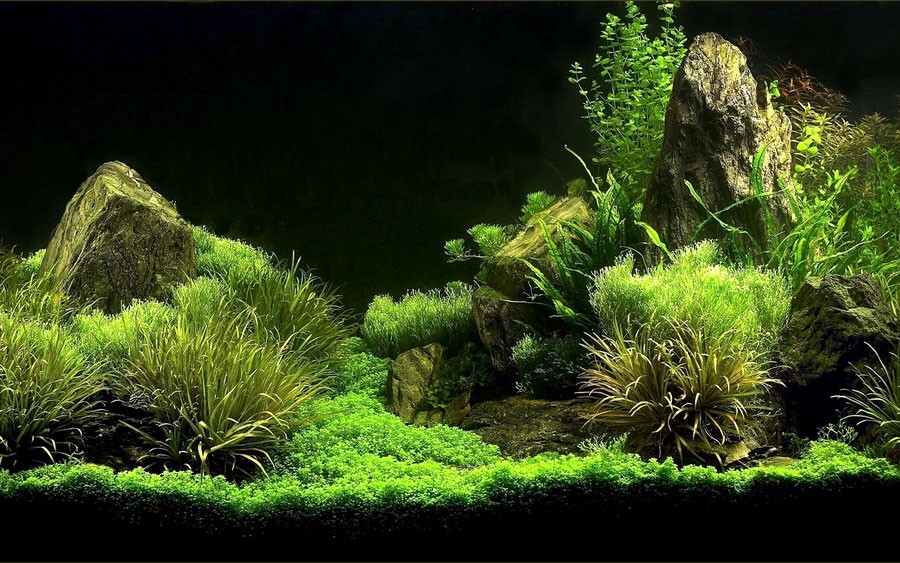
Originating from Japan, the Iwagumi style is characterized by its minimalist approach. It typically features a rock formation with an odd number of stones, with one primary stone taking center stage.
The layout is often complemented by a carpet of low-growing plants, creating a serene and harmonious landscape. The emphasis in Iwagumi is on simplicity and balance.
Dutch Aquascape

The Dutch style is all about lush, vibrant plant life. It’s reminiscent of a terrestrial garden, with different aquatic plants arranged in distinct terraces or clusters.
The use of color, texture, and height variation is crucial in this style. Hardscape elements like rocks or driftwood are minimal or even absent. The primary focus is on creating a dense, colorful, and diverse underwater garden.
Nature Style

Popularized by Takashi Amano, the Nature style seeks to replicate natural landscapes within the confines of an aquarium.
It often features a combination of rocks, driftwood, and plants, arranged in a way that mimics natural scenes like forests, mountains, or valleys.
The goal is to create a harmonious and balanced environment that evokes feelings of tranquility and wonder.
Jungle Style

As the name suggests, the Jungle style is wild and untamed. It’s characterized by dense plant growth, with plants growing freely without strict trimming.
The layout can be chaotic, with a mix of tall and short plants, creating a sense of depth and complexity. This style is perfect for those who love a lush, green, and natural-looking tank.
Biotope Aquascape

A biotope aquascape aims to replicate a specific natural environment, from the plants and hardscape materials to the fish species.
The goal is to create a snapshot of a particular ecosystem, whether it’s an Amazon riverbank, an Asian rice paddy, or a Central African stream. It’s both an artistic and ecological endeavor, emphasizing authenticity and sustainability.
Paludarium

A fusion of aquatic and terrestrial elements, a paludarium features both underwater and above-water landscapes. It can house a variety of organisms, from fish and aquatic plants to amphibians, reptiles, and terrestrial plants.
Waterfalls, streams, and emergent plant growth are common features, creating a dynamic and diverse environment.
Starting Your Aquascaping Journey
Choosing the Right Tank
The foundation of any great aquascape is the tank itself. Your choice of tank will influence not only the size and shape of your underwater landscape but also its maintenance and the types of plants and fish you can include.
For beginners, a medium-sized tank, around 20 to 40 gallons, is often recommended. This size offers a good balance, providing ample space for creativity without being too overwhelming in terms of maintenance.
However, the size isn’t the only consideration. The shape of the tank plays a crucial role in the overall aesthetics of the aquascape.
While standard rectangular tanks are the most common and versatile, there are also cube-shaped, bow-front, and even cylindrical tanks to choose from.
When selecting a tank, also consider its placement. Ensure it’s positioned away from direct sunlight, which can lead to excessive algae growth, and in a location where you can comfortably work around it.
Guides
A Comprehensive Guide To Aquarium Size & Weight
Essential Tools for Aquascaping
Just as a painter needs brushes and a sculptor needs chisels, an aquascaper needs the right tools to bring their vision to life.
Here are some essentials:
- Aquascaping Scissors: These are not your average scissors. They’re designed with precision in mind, allowing you to trim plants in tight spaces without disturbing the surrounding landscape.
- Tweezers: A good pair of tweezers is invaluable for planting. They allow you to place plants into the substrate with precision, ensuring they’re anchored properly.
- Substrate Spatula: This tool is perfect for smoothing out the substrate and creating gradients. A well-layered substrate can add depth and perspective to your aquascape.
- Water Test Kits: Regularly testing your water parameters ensures that your aquatic environment remains healthy. Look for kits that measure pH, ammonia, nitrites, and nitrates.
- Liquid Fertilizers: As your plants grow, they’ll need nutrients. Liquid fertilizers can provide essential nutrients like potassium, nitrogen, and phosphorus.
Remember, while having the right tools can make the process smoother, the most important tool is your imagination.
With patience and practice, even the most basic tools can be used to create stunning aquascapes.
Aquascaping Equipment
To create and maintain a thriving aquascape, having the right equipment is crucial.
These tools not only ensure the health and well-being of your aquatic plants and inhabitants but also enhance the overall aesthetics of your underwater landscape.
Let’s delve into some essential aquascaping equipment:
Water Filter
The heart of any thriving aquarium, a water filter, is more than just a tool—it’s a lifeline.
In the closed environment of an aquarium, toxins can quickly accumulate, leading to an environment that’s harmful, if not deadly, to its inhabitants.
A water filter continuously circulates the water, removing physical debris, uneaten food, and even harmful chemicals.
- Hang-on-Back (HOB) Filters: These filters are not just popular for their ease of use. They provide effective mechanical filtration by trapping debris in their cartridges. Many HOB filters also come with activated carbon, which aids in chemical filtration by removing impurities and odors from the water.
- Canister Filters: Beyond their efficiency, canister filters are revered for their multi-stage filtration process. They often contain separate chambers for mechanical, biological, and chemical filtration, ensuring crystal clear water and a stable environment for beneficial bacteria.
- Sponge Filters: A favorite among breeders and shrimp keepers, sponge filters offer gentle filtration. Their porous structure provides ample space for beneficial bacteria to thrive, aiding in breaking down harmful ammonia and nitrites.
Lights
In the world of aquascaping, lighting does more than just illuminate.
It’s the driving force behind photosynthesis, the process by which plants convert light into energy.
But not all lights are created equal, and the right spectrum and intensity are crucial for plant health.
- LED Lights: Modern LED lights have revolutionized aquarium lighting. They’re not just energy-efficient; they offer adjustable spectrums, allowing aquascapers to fine-tune the light to the specific needs of their plants. From promoting lush green growth to enhancing the reds and purples in certain plant species, LED lights offer unparalleled flexibility.
- Fluorescent Lights: The old stalwarts of aquarium lighting, fluorescent tubes, have been a reliable choice for decades. They provide a broad spectrum of light, suitable for most aquatic plants, and come in various color temperatures to enhance the natural colors of both plants and fish.
CO2
Carbon dioxide is to plants what oxygen is to animals.
In the underwater world of aquascaping, where every breath is a bubble, ensuring a consistent supply of CO2 can mean the difference between a thriving planted tank and a lackluster one.
- CO2 Diffusers: These nifty devices ensure that CO2 is efficiently absorbed by plants. By breaking down the gas into micro-bubbles, they increase the surface area, allowing for better dissolution in water.
- CO2 Regulators: Precision is key when it comes to CO2. Too little, and plants starve; too much, and you risk harming your fish. Regulators allow aquascapers to dial in the perfect amount, ensuring a balanced and thriving ecosystem.
Fertilizer
While light and CO2 are essential for photosynthesis, plants also need a cocktail of nutrients to grow and thrive.
In nature, these nutrients are readily available in the soil, water, and air. In the closed system of an aquarium, however, they can quickly become depleted.
- Liquid Fertilizers: These provide a quick and easy way to replenish essential nutrients. From macronutrients like nitrogen, phosphorus, and potassium to trace elements like iron and manganese, liquid fertilizers ensure plants get their daily dose of nutrition.
- Root Tabs: Some plants, like Amazon Swords and Cryptocorynes, are heavy root feeders. For these plants, root tabs offer targeted nutrition, releasing nutrients right where they’re needed most.
Setting up your Aquascape

Creating a captivating aquascape is akin to painting a masterpiece, but instead of a canvas, you have a tank, and instead of paints, you have natural elements.
The setup process is crucial, as it lays the foundation for everything that follows.
Let’s explore the primary components of setting up an aquascape:
Aquascaping Substrate
The substrate is more than just the “floor” of your aquarium; it’s the base upon which your aquatic plants will root and grow.
Choosing the right substrate is pivotal for plant health and overall aesthetics.
- Nutrient-rich Substrates: These are specially formulated for planted tanks. They contain essential nutrients that promote root growth and plant health. Brands like ADA Aqua Soil and Fluval Stratum are popular choices among aquascapers.
- Sand and Gravel: While they might not be as nutrient-dense as specialized substrates, sand and gravel can still support plant growth, especially when supplemented with root tabs. They’re also great for creating natural-looking riverbed or beach scenes.
- Layering: Many aquascapers opt for a layered approach, with a nutrient-rich substrate at the bottom and a decorative layer of sand or gravel on top. This combines the best of both worlds: nutrition for plants and aesthetics for viewers.
- Depth and Sloping: The substrate can be used to create depth and perspective in your aquascape. A sloping effect, with the substrate higher at the back and lower at the front, can make the tank appear deeper than it is.
Aquascaping Hardscape – Rocks & Wood
Hardscape elements are the bones of your aquascape. They provide structure, depth, and a natural framework around which your plants will grow.
- Rocks: From the rugged, gray texture of Seiryu stones to the reddish hues of Dragon stones, rocks add a touch of raw, natural beauty to aquascapes. When placing rocks, consider the rule of thirds and golden ratios to achieve a balanced and harmonious layout.
- Wood: Driftwood, with its intricate branches and weathered appearance, can create stunning focal points in an aquascape. Types like Spiderwood, Mopani, and Malaysian driftwood each have unique shapes and tints. When positioning wood, think about the flow and movement you want to convey. Do you want a windswept look or a serene, submerged forest vibe?
- Positioning and Anchoring: Hardscape elements can be heavy, so ensure they’re securely positioned. Some pieces of driftwood may float initially and might need to be soaked or anchored until they become waterlogged.
- Natural Arrangements: While it’s tempting to place hardscape symmetrically, nature is rarely symmetrical. Odd numbers and irregular placements often look more natural and pleasing to the eye.
Water Parameters
Water isn’t just the medium in which your aquascape exists; it’s the lifeblood that sustains every organism within it.
Ensuring the right water parameters is crucial for the health of your plants and fish, as well as the overall stability of your aquascape.
- pH Level: The pH level measures how acidic or alkaline your water is. Most aquatic plants thrive in slightly acidic to neutral water, with a pH of 6.0 to 7.5. However, some plants and fish have specific pH requirements, so it’s essential to research and adjust accordingly.
- Hardness: Water hardness refers to the concentration of calcium and magnesium ions in the water. Soft water has low concentrations, while hard water has high. Many tropical fish and plants prefer soft to moderately hard water. You can adjust hardness using water conditioners or by mixing distilled water with tap water.
- Temperature: While aquascaping plants are generally adaptable to a range of temperatures, tropical fish have specific needs. Most tropical aquariums are kept between 22°C to 28°C (72°F to 82°F). Using a reliable heater and thermometer ensures a stable temperature.
- Ammonia, Nitrite, and Nitrate: These compounds are part of the nitrogen cycle in your tank. Ammonia, produced from fish waste and decaying organic matter, is toxic. Beneficial bacteria convert ammonia to nitrite (also toxic) and then to nitrate (less harmful). Regular water testing and changes help maintain safe levels.
- Dissolved Oxygen: Oxygen is vital for both fish and beneficial bacteria. While plants produce oxygen during the day, they consume it at night. Ensuring good water circulation with filters or air pumps helps maintain adequate oxygen levels.
- Salinity: While not a concern for freshwater aquascapes, those venturing into brackish or marine aquascaping need to monitor salinity. It’s crucial for the health of salt-tolerant plants and marine organisms.
Regularly testing your water parameters and making necessary adjustments ensures a thriving, balanced, and harmonious aquascape.
It’s not just about aesthetics; it’s about creating a stable and healthy ecosystem.
Selecting Plants

Best Plants for Beginners
When starting your aquascaping journey, it’s essential to choose aquarium plants that are hardy and forgiving, especially if you’re still getting the hang of maintaining water parameters and lighting conditions.
- Java Moss: This is a favorite among aquascapers. It’s versatile, easy to grow, and can be attached to rocks, driftwood, or even used as a carpet. Its lush green tendrils provide a natural look and offer hiding spots for smaller fish and shrimp.
- Anubias: With its broad, dark green leaves, Anubias is a standout plant. It’s slow-growing, which means less maintenance, and can thrive in various lighting conditions. Attach it to driftwood or rocks for the best effect.
- Amazon Sword: This plant can serve as a beautiful centerpiece with its tall, sword-like leaves. It’s relatively easy to care for and can grow quite large, making it suitable for the background of your aquascape.
- Cryptocoryne: Available in various species, “Crypts” are known for their unique leaf shapes and colors. They’re adaptable and can grow in both low and high light conditions.
When selecting plants, consider their growth rate, size, and maintenance needs. It’s also essential to research their specific care requirements, such as lighting and nutrient needs.
Types of Aquarium Plants
When diving into the world of aquascaping, understanding the different types of aquarium plants can guide your choices, especially as a beginner.
Each type has its own unique requirements and benefits, and they play different roles in the aquascape ecosystem.
Foreground Plants
These are the low-growing plants that cover the front areas of your tank. They often spread out to form a carpet-like effect, creating a lush green base.
- Examples: Dwarf Baby Tears, Monte Carlo, Staurogyne Repens.
- Benefits: Foreground plants provide a natural-looking ground cover and can hide unsightly equipment or substrate imperfections.
Midground Plants
Positioned between the foreground and background plants, midground plants add depth and dimension to your aquascape. They’re often slightly taller and bushier.
- Examples: Cryptocoryne Wendtii, Anubias Nana, Amazon Sword (young).
- Benefits: They act as fillers, covering empty spaces and providing shelter for fish and other aquatic creatures.
Background Plants
These are the tall, fast-growing plants that occupy the back of the tank. They create a vibrant green backdrop and can also be used to hide equipment.
- Examples: Vallisneria, Rotala Rotundifolia, Water Wisteria.
- Benefits: Background plants give height to the aquascape, offer privacy for shy fish, and contribute to the overall sense of depth.
Floating Plants
As the name suggests, these plants float on the water’s surface. Floating aquarium plants don’t need to be anchored to the substrate and derive their nutrients directly from the water.
- Examples: Duckweed, Water Lettuce, Frogbit.
- Benefits: Floating plants provide shade, reduce algae growth by limiting light, and offer a safe haven for fry and small fish.
Rhizome Plants
These plants have a thick horizontal stem (rhizome) from which leaves and roots grow. They’re often attached to hardscape elements like rocks or driftwood.
- Examples: Java Fern, Bolbitis, Bucephalandra.
- Benefits: Rhizome plants are versatile and can be positioned almost anywhere in the tank, adding texture and interest.
Understanding the different types of aquarium plants allows beginners to make informed choices, ensuring a balanced, diverse, and thriving aquascape.
Whether you’re aiming for a dense jungle look or a minimalist Iwagumi layout, there’s a plant type to suit your vision.
Selecting Fish

Choosing the right fish for your aquascape is both an art and a science.
While aesthetics play a role, it’s essential to consider the fish’s needs, behavior, and compatibility with other tank inhabitants.
Here are some key considerations to guide your selection:
Fish That Complement Your Design
Your choice of fish can either enhance or detract from your aquascape’s overall aesthetic.
It’s not just about their color or size but also their behavior and movement patterns.
- Neon Tetras: These small, vibrant fish are a popular choice. Their bright blue and red colors add a splash of color, and they tend to swim in schools, creating a mesmerizing display.
- Guppies: Known for their colorful tails and playful behavior, guppies are easy to care for and breed, making them perfect for beginners.
- Cherry Shrimp: While not fish, these tiny red shrimp can add a lot of character to an aquascape. They’re also beneficial, helping to keep the tank clean by eating algae and food remnants.
- Corydoras Catfish: These bottom dwellers are not only cute but also functional. They sift through the substrate, helping to keep it clean.
Size and Growth Potential
When selecting fish, it’s crucial to consider not just their current size but their potential adult size. A fish that’s small and manageable now might outgrow your tank in the future.
- Research: Before purchasing, research the maximum size the fish can reach. This ensures you provide them with adequate space throughout their life.
- Tank Size: A general rule of thumb is to provide at least one gallon of water for every inch of adult fish. However, larger fish often require more space due to their activity levels and territorial behaviors.
Temperament and Behavior
Fish, like people, have distinct personalities and behaviors. Some are peaceful and sociable, while others can be aggressive or territorial.
- Community Fish: These are species that generally get along well with others and are suitable for community tanks. Examples include tetras, guppies, and mollies.
- Semi-aggressive Fish: While they can coexist with others, they might show occasional signs of aggression, especially during breeding. Examples include some cichlids and barbs.
Dietary Needs
Understanding and catering to the dietary needs of your fish is crucial for their health and well-being.
- Herbivores: These fish primarily consume plant-based foods. Ensure you provide them with algae wafers or blanched vegetables.
- Carnivores: They require a diet rich in protein. Offer them live or frozen foods like brine shrimp or bloodworms.
Water Parameters
Different fish species have specific water parameter requirements, from temperature and pH to hardness.
- Tropical Fish: These species typically require warmer water temperatures, usually between 74°F to 82°F.
- Cold-water Fish: Species like goldfish thrive in cooler water temperatures, often between 60°F to 70°F.
Schooling vs. Solitary
Some fish prefer to swim in groups, while others are more solitary or even territorial.
- Schooling Fish: Species like neon tetras or cardinal tetras prefer to be in groups and can become stressed if kept alone or in insufficient numbers.
- Solitary Fish: Some species, especially larger or more aggressive ones, might prefer to stake out their own territory and can be more solitary in nature.
Selecting the right fish for your aquascape requires a blend of research, observation, and sometimes, a bit of trial and error.
Design Principles and Techniques
Understanding the Rule of Thirds

The Rule of Thirds is a fundamental design principle that’s been used by artists and photographers for centuries.
It’s a guideline that proposes an image should be divided into nine equal parts using two equally spaced horizontal lines and two equally spaced vertical lines.
The theory is that if you place the main elements or focal points of your design along these lines or at their intersections, it creates a more balanced and engaging composition.
In aquascaping, this principle can be applied by visualizing your tank divided into these thirds. For instance, if you’re placing a large rock or a piece of driftwood, consider positioning it at one of the intersections rather than dead center.
This creates a more dynamic and visually appealing layout. It draws the viewer’s eye naturally across the entire scape, making it feel both cohesive and intriguing.
The Golden Ratio

The Golden Ratio, often denoted by the Greek letter φ (phi), is a mathematical principle that has been celebrated for centuries for its aesthetic appeal.
Found in art, architecture, and even nature, this ratio is approximately 1.618:1.
When applied to aquascaping, it can guide the placement and proportion of elements to create a harmonious and visually pleasing layout.
- Applying the Golden Ratio: Imagine dividing your tank into sections based on the Golden Ratio. For a standard rectangular aquarium, this would mean marking a point roughly 62% from one side. This point can serve as a guide for placing your focal point or a significant hardscape element.
- Natural Appeal: The reason the Golden Ratio is so revered is its frequent appearance in nature. From the spirals of galaxies to the patterns on a pinecone, this ratio is ubiquitous. By using it in your aquascape, you tap into a design principle that feels inherently natural and balanced.
- Flexibility in Design: While the Golden Ratio provides a guideline, it’s essential to remember that it’s just that—a guideline. Every tank, plant, and piece of hardscape is unique. Feel free to adjust and experiment, using the Golden Ratio as a starting point rather than a strict rule.
- Complementary Techniques: The Golden Ratio works beautifully in tandem with other design principles, like avoiding symmetry and establishing focal points. Together, they can guide your design decisions, ensuring an aquascape that’s both aesthetically pleasing and uniquely yours.
By integrating the Golden Ratio into your aquascaping design, you’re not just creating an underwater landscape; you’re crafting a piece of living art, rooted in principles that have enchanted artists and thinkers for millennia.
Creating Depth and Perspective
One of the challenges (and joys!) of aquascaping is transforming a flat, two-dimensional space into a three-dimensional underwater landscape.
Creating a sense of depth and perspective is crucial to achieving this illusion.
- Foreground, Middleground, and Background: Think of your tank in terms of these three zones. The foreground is the front of the tank, the middleground is the center, and the background is the rear. By placing larger, more prominent elements in the foreground and smaller ones in the background, you can create a sense of depth. This technique is known as “forced perspective.”
- Layering Substrate: A sloping substrate, higher at the back and lower at the front, can enhance the depth of the tank. This gradient not only adds visual interest but also creates different levels for planting.
- Using Shadows and Lighting: Strategic lighting can cast shadows, adding another layer of depth. Consider placing your light source slightly to the front or back rather than directly overhead.
Remember, the goal is to draw the viewer’s eye into the tank, making them feel as if they’re looking into a vast underwater world rather than a confined space.
Focal Points
In the realm of aquascaping, a focal point is the star of the show.
It’s that eye-catching element or area that first draws the viewer’s attention, guiding them into the underwater narrative you’ve crafted.
- Significance of a Focal Point: Just as a story has a main character or a song has a chorus, an aquascape benefits from a focal point. It provides a sense of purpose and direction, preventing the design from feeling scattered or aimless.
- Choosing Your Focal Point: This could be a uniquely shaped piece of driftwood, a striking rock formation, or a vibrant cluster of plants. The choice is deeply personal and should resonate with the overall theme and emotion you aim to convey.
- Positioning Matters: While it might seem intuitive to place the focal point dead center, this can make the design feel too symmetrical and static. Instead, positioning it slightly off-center can create a more dynamic and intriguing layout.
- Supporting Elements: While the focal point stands out, it shouldn’t overshadow the rest of the aquascape. Surrounding it with supporting elements—complementary plants, stones, or secondary pieces of wood—can enhance its prominence while ensuring the entire design feels cohesive.
Avoiding Symmetry
Symmetry, while often pleasing in many art forms, can sometimes make an aquascape feel static and unnatural.
Nature is inherently asymmetrical, and mimicking this in your design can create a more dynamic and lifelike scene.
- Dynamic Asymmetry: By intentionally avoiding a perfectly mirrored design, you introduce a sense of movement and intrigue. This dynamic asymmetry can make the viewer’s eyes wander through the aquascape, discovering new details and perspectives.
- Balance through Asymmetry: While the goal is to avoid symmetry, it’s essential to maintain balance. This doesn’t mean equal weight on both sides but rather a harmonious distribution of visual elements. A large rock on one side might be balanced by a dense plant cluster on the opposite side.
- Natural Imperfection: Embracing asymmetry aligns with the Japanese concept of “wabi-sabi,” which finds beauty in imperfection and transience. An asymmetrical design can evoke a sense of natural growth and evolution, as if the aquascape has been shaped by time and nature.
Taking Your Skills to the Next Level
Advanced Design Techniques
As you become more comfortable with the basics of aquascaping, you might find yourself yearning to experiment and push the boundaries of your designs.
Here are some advanced techniques to consider:
- Terracing: This involves creating multiple levels or “terraces” in your substrate, giving your aquascape a stepped appearance. It’s a great way to add depth and dimension to your design.
- Island Scapes: Instead of a traditional foreground, middleground, and background layout, consider creating one or more “islands” of plant life and hardscape in the center of your tank, surrounded by open water or a sand substrate.
- Paludariums: A paludarium combines both terrestrial and aquatic elements in one tank. Imagine a lush rainforest landscape with a flowing stream or waterfall. It’s a challenging but rewarding design that can house a variety of both aquatic and land-based organisms.
- Dutch Aquascaping: Originating from the Netherlands, this style emphasizes dense, colorful plant groupings without the use of hardscape materials. It’s all about creating contrast and harmony using only plants.
Joining Aquascaping Communities
One of the best ways to learn and grow as an aquascaper is to connect with fellow enthusiasts. Here’s why:
- Shared Knowledge: Aquascaping communities, whether online forums, social media groups, or local clubs, are treasure troves of information. From troubleshooting issues to discovering new techniques, there’s always something new to learn.
- Feedback: Sharing your designs with others can provide valuable feedback. Constructive criticism can help you see your aquascape from a different perspective and improve your skills.
- Inspiration: Seeing other aquascapers’ designs can be incredibly inspiring. Whether it’s a unique hardscape arrangement, a plant you’ve never seen before, or a novel design technique, there’s no shortage of creativity in the aquascaping world.
- Competitions: As you hone your skills, consider entering aquascaping competitions. Not only can it be a fun challenge, but it’s also an opportunity to gain recognition and even win prizes.
Remember, aquascaping is as much about community as it is about individual expression.
By connecting with others, you can enrich your aquascaping journey in countless ways.
Maintenance and Care
Pruning and Trimming
Just like a garden, an aquascape requires regular maintenance to keep it looking its best.
Over time, plants will grow, and without proper care, they can overshadow other elements or even outcompete other plants for nutrients.
- Frequency: How often you trim will depend on the growth rate of your plants. Fast-growing plants might require weekly trimming, while slower-growing species might only need attention once a month.
- Technique: When trimming stem plants, make sure to cut just above a leaf joint. This encourages the plant to branch out and become bushier. For carpeting plants, a pair of curved scissors can help you achieve an even cut across the surface.
- Replanting: Some trimmed plants can be replanted. For instance, stem plants can be cut and replanted in the substrate, allowing you to propagate and expand the greenery in your tank.
Water Quality and Filtration
Water quality is paramount in an aquascape. Not only does it affect the health of your plants and fish, but poor water quality can also lead to issues like algae outbreaks.
- Filtration: A good filter is essential. It helps remove waste, excess food, and debris from the water. There are various types of filters available, including hang-on-back, canister, and sponge filters. Each has its pros and cons, so research and choose one that fits your tank size and needs.
- Water Changes: Regular water changes help maintain a stable environment. It’s recommended to change 20-30% of the tank’s water every week or two. This helps dilute toxins and replenish essential minerals.
- Testing: Invest in a water testing kit. Regularly check parameters like pH, ammonia, nitrites, and nitrates. Keeping these levels stable ensures a thriving aquatic environment.
- Temperature: Depending on the plants and fish you have, maintaining a consistent temperature is crucial. A reliable heater and thermometer can help you monitor and adjust the water temperature as needed.
Overcoming Common Challenges
Algae Control
Algae is a common challenge faced by aquascapers.
While a small amount of algae is natural and can even add a touch of realism to your aquascape, an overgrowth can quickly become unsightly and detrimental to plant health.
- Causes: Algae outbreaks can be caused by a variety of factors, including excess nutrients, too much light, poor water circulation, or infrequent water changes.
- Prevention: The best way to combat algae is through prevention. Ensure your tank isn’t exposed to direct sunlight, and be mindful of the duration and intensity of artificial lighting. Regular water changes and avoiding overfeeding can also help keep nutrient levels in check.
- Natural Solutions: Introducing algae-eating organisms, such as Otocinclus catfish, Siamese algae eaters, or Amano shrimp, can help keep algae levels under control. Certain plants, like floating plants, can also outcompete algae for nutrients.
- Chemical Solutions: While there are chemical treatments available to combat algae, they should be used as a last resort. Over-reliance on chemicals can disrupt the tank’s natural balance.
Balancing Light and Nutrients
Striking the right balance between light and nutrients is crucial for a thriving aquascape.
An imbalance can lead to poor plant growth, algae outbreaks, and other issues.
- Lighting: The amount of light your tank needs will depend on the plants you’ve chosen. While some plants require high light levels to thrive, others do well in low-light conditions. It’s essential to research the needs of your specific plants and adjust your lighting accordingly. On average, 6-8 hours of light per day is a good starting point.
- Nutrients: Plants require various nutrients to grow, including macronutrients like nitrogen, phosphorus, and potassium, and micronutrients like iron and magnesium. Regularly test your water to ensure nutrient levels are optimal. Liquid fertilizers and root tabs can help supplement any deficiencies.
- CO2: Carbon dioxide is essential for plant photosynthesis. While some aquascapes can thrive without added CO2, injecting CO2 can boost plant growth and health, especially in high-light tanks.
Remember, every tank is unique. What works for one might not work for another. It’s essential to monitor your tank regularly, adjust as needed, and be patient.
Over time, you’ll develop an intuition for your aquascape’s needs.
Aquascaping FAQs
How long does it take for an aquascape to mature?
It varies depending on the plants and design, but most aquascapes take a few months to a year to fully mature and stabilize. Regular maintenance and adjustments are key during this period.
Can I mix saltwater and freshwater plants and fish in an aquascape?
No, saltwater and freshwater organisms have different requirements and cannot coexist in the same tank. Always ensure compatibility before introducing new plants or fish.
How do I deal with pests in my aquascape?
Pests like snails or certain algae can be controlled naturally by introducing predators or competitors. For instance, assassin snails can help control a snail infestation. Always research and choose a solution that aligns with your tank’s ecosystem.
Do I need to use special soil for my plants?
While many plants can grow in regular aquarium gravel, aqua soil or planted tank substrates are formulated to provide essential nutrients and promote root growth, making them ideal for aquascaping.
How often should I feed my fish in an aquascape?
Most fish should be fed once a day, but the amount and type of food will depend on the species. It’s essential to avoid overfeeding, as excess food can decay and harm water quality.
Aquascaping Conclusion
Aquascaping is a journey of creativity, patience, and continuous learning.
From the initial spark of inspiration to the meticulous care and maintenance of a matured aquascape, every step offers its own set of challenges and rewards.
As you immerse yourself in this captivating hobby, remember to enjoy the process, celebrate your achievements, and always seek to grow and evolve as an aquascaper.
Whether you’re a seasoned pro or just starting out, the world of aquascaping offers endless possibilities to connect with nature, express your artistic vision, and create a living masterpiece that brings joy and tranquility to any space.
