

Aquarium Plants are more than just decorative elements; they play a pivotal role in creating a balanced and vibrant aquatic environment.
In this comprehensive guide, you’ll delve into the diverse world of aquatic plants, understanding their types, benefits, care requirements, and maintenance tips.
Whether you’re a novice aquarist or a seasoned enthusiast, this article will equip you with valuable insights to help your underwater garden thrive.
Introduction to Aquarium Plants
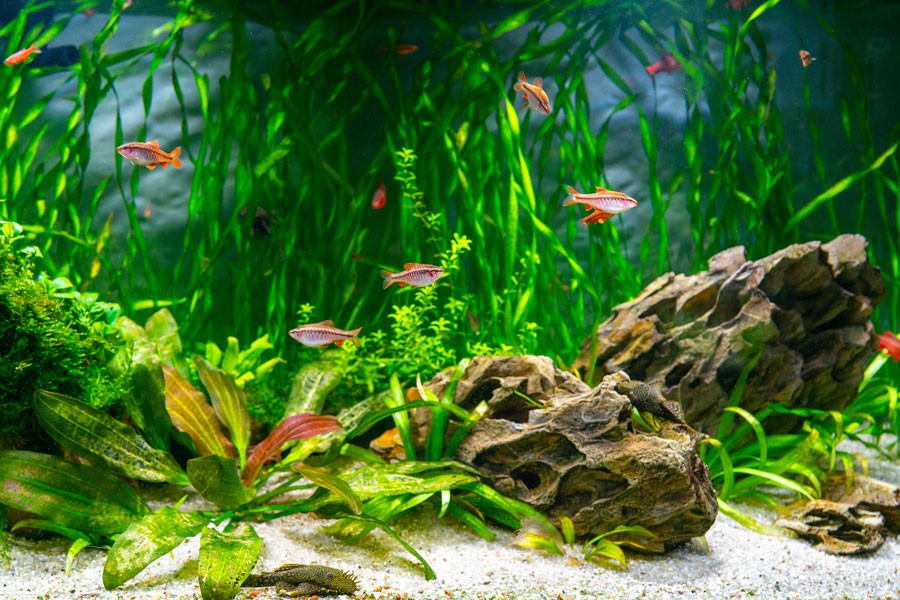
Aquarium plants are a fascinating addition to any aquatic environment. They not only elevate the aesthetic appeal of a tank but also play a pivotal role in creating a balanced ecosystem.
For many, the idea of introducing live plants into their aquarium can be daunting. Concerns about maintenance, the right choice of plants, and their care often deter enthusiasts.
However, with the right knowledge and a bit of patience, the world of aquatic plants can become an exciting journey of discovery.
The beauty of an aquarium with live plants is unparalleled. The vibrant greens, the varying textures, and the movement they bring to an otherwise still environment is mesmerizing.
But beyond their beauty, these plants are workhorses that tirelessly contribute to the health and well-being of the aquarium’s inhabitants.
Why Choose Live Plants?
Live plants are dynamic. They grow, change, and interact with their environment in ways that artificial plants cannot.
Their presence in an aquarium can transform it from a simple fish tank to a thriving, miniature aquatic ecosystem. Here’s why:
- Natural Habitat: Fish and other aquatic creatures thrive best in an environment that mimics their natural habitat. Live plants provide shelter, breeding grounds, and even food for certain species. This not only enhances the well-being of the fish but also encourages natural behaviors, making the aquarium a more engaging spectacle.
- Water Quality: Plants are nature’s filters. They absorb harmful chemicals, such as ammonia and nitrites, converting them into less harmful substances. This natural filtration system can significantly improve water quality, reducing the need for frequent water changes and ensuring a healthier environment for the aquarium’s inhabitants.
- Oxygen Production: Through the process of photosynthesis, plants take in carbon dioxide and release oxygen. This oxygenation is crucial for the survival of fish and other aquatic creatures.
- Algae Control: Algae is a common concern for many aquarium owners. A well-planted tank can help combat this issue. Plants compete with algae for nutrients, often outcompeting them, leading to reduced algae growth.
- Aesthetic Appeal: There’s no denying the beauty of a well-planted aquarium. The variety of colors, shapes, and textures that live plants offer can transform an aquarium into an underwater garden, making it a centerpiece of any room.
Benefits of Aquarium Plants
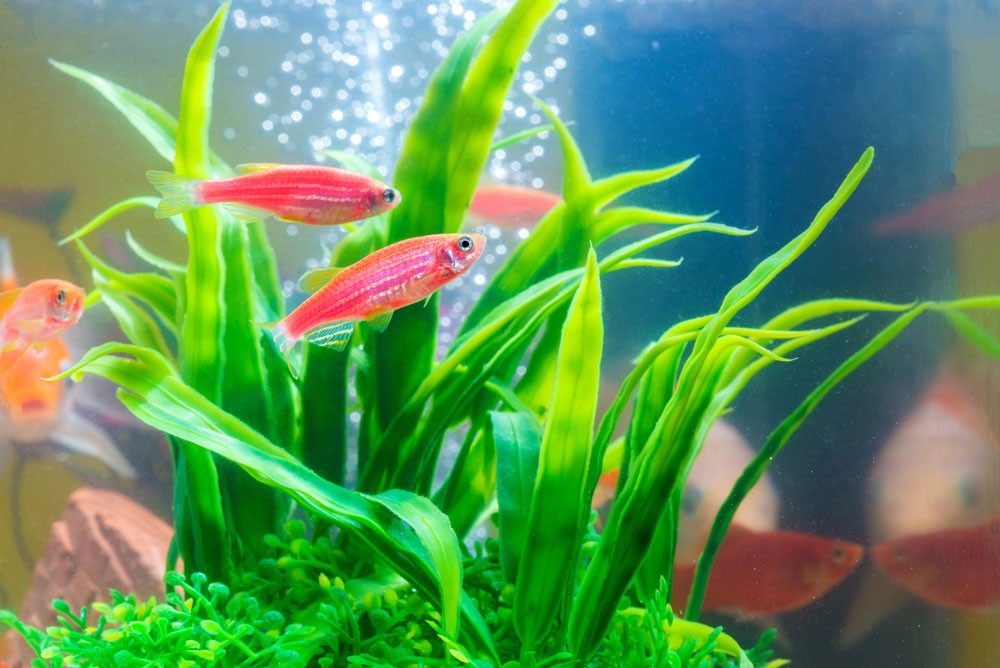
While we’ve touched on some of the advantages of having live plants in your aquarium, it’s worth diving deeper into these benefits to truly appreciate their significance.
1. Oxygenation
One of the most crucial roles that plants play in an aquarium is oxygen production. Through the process of photosynthesis, plants take in carbon dioxide and release oxygen.
This is especially vital during the day when the sun is out, and photosynthesis is at its peak. The oxygen produced aids in maintaining a balanced environment, ensuring that your fish have a constant supply of this essential gas.
Without adequate oxygen, fish can become stressed, leading to weakened immune systems and increased susceptibility to diseases.
2. Natural Filtration
Plants are nature’s very own water purifiers. Their roots absorb harmful chemicals and toxins, converting them into nutrients that the plants can use.
This natural filtration system is especially beneficial in reducing levels of ammonia and nitrites, which can be harmful to fish in high concentrations.
By maintaining a balance of these chemicals, plants help in stabilizing the water’s pH levels, ensuring a healthier environment for your aquatic pets.
3. Aesthetic Appeal
Beyond their functional benefits, plants add an undeniable charm to aquariums. The lush greens, the varying textures, and the intricate leaf patterns can transform a simple fish tank into an underwater paradise.
When chosen and arranged thoughtfully, plants can create depth, provide contrast, and become the focal point of your aquarium.
They sway with the water’s current, creating a dynamic and ever-changing landscape that’s a joy to observe.
Types Of Aquarium Plants
Aquarium plants can be broadly categorized based on their growth patterns and where they predominantly reside in the water column.
Understanding these categories can help you design your aquarium landscape more effectively and choose plants that fit your aesthetic and functional needs.
Emergent
Emergent plants, also known as marginal or bog plants, have their roots submerged in the water, but a significant portion of the plant, especially the leaves and flowers, emerges above the water surface.
These plants often grow along the edges of ponds, lakes, or in wetlands.
Benefits:
- They provide a unique aesthetic appeal by bridging the aquatic and terrestrial aspects of your aquarium or pond.
- Emergent plants can serve as a refuge for certain aquatic creatures, offering them a place to rest or hide.
- They play a role in oxygenating the water and can help in nutrient absorption, especially in pond settings.
Examples:
- Cyperus (Umbrella plants): Known for its umbrella-like clusters of leaves.
- Acorus: Features a grass-like appearance, often used in pond settings.
- Canna: Tall plants with large, colorful flowers.
- Pickerel Plant: Features spike-like flowers and heart-shaped leaves.
- Arrowhead: Named for its arrow-shaped leaves.
Submergent
Submergent plants, or true aquatic plants, spend their entire life cycle submerged underwater. These are the most common types of plants you’ll find in home aquariums.
Benefits:
- They play a crucial role in oxygenating the water, which is vital for fish and other aquatic creatures.
- Submergent plants offer hiding spots, breeding grounds, and sometimes even a food source for certain aquatic species.
- They are excellent at absorbing excess nutrients, which can help in controlling algae growth.
Examples:
- Vallisneria: Features long, ribbon-like leaves that sway with the current.
- Cryptocoryne: Offers a variety of leaf shapes and colors.
- Anacharis: A fast-growing plant with fine, feathery leaves.
- Cabomba: Known for its fan-shaped, delicate leaves.
- Hornwort: A feathery, free-floating plant that can also be anchored.
Floating
Floating plants remain on the water’s surface, with their roots hanging down into the water but not anchored to the substrate.
They are particularly popular in ponds but can also be used in aquariums.
Benefits:
- Floating plants provide shade, which can be beneficial for fish that prefer dimmer environments and can also help in controlling algae by reducing the amount of light that penetrates the water.
- They are efficient at absorbing excess nutrients directly from the water, which can improve water quality.
- The hanging roots of floating plants offer a unique habitat and can serve as a feeding ground for fry and smaller fish.
Examples:
- Duckweed: Tiny, free-floating plants that form a green carpet on the water’s surface.
- Water Lettuce: Features rosettes of green leaves and long, feathery roots.
- Frogbit: Has round, lily-pad-like leaves and fine roots.
- Water Hyacinth: Recognizable by its bulbous, spongy stems and purple flowers.
- Salvinia: Fern-like floating plant with a water-repellent surface.
Each type of plant offers its own unique benefits and challenges. When designing your aquatic space, consider incorporating a mix of these types to create a diverse, balanced, and visually appealing environment.
Choosing the Right Plants for Your Aquarium
Venturing into the world of aquatic plants can be overwhelming, given the vast variety available.
However, understanding your aquarium’s conditions and the needs of its inhabitants can guide you in making the right choices.
Factors to Consider
Before you rush to buy the first plant that catches your eye, there are several factors to consider:
1. Light Requirements
Every plant has its own light requirement. While some thrive in low-light conditions, others might need intense lighting to grow and flourish.
It’s essential to match the plant’s light needs with the lighting setup of your aquarium.
Investing in a good quality light that can be adjusted can make a significant difference in the health and growth of your plants.
2. Growth Rate
Some plants grow rapidly, quickly filling up space, while others take their time. Fast-growing plants can be beneficial in new setups as they help in stabilizing the environment.
However, they might require regular trimming to prevent them from overtaking the tank.
3. Maintenance Level
While some plants are hardy and require minimal care, others can be quite demanding.
It’s essential to choose plants that match your level of experience and the amount of time you can dedicate to their care.
Popular Aquarium Plants for Beginners
Starting with plants that are beginner-friendly can make your initial foray into the world of aquatic plants much more enjoyable.
These plants are typically hardy, adaptable, and require minimal maintenance.
1. Java Fern

Java Fern is a favorite among many aquarium enthusiasts, and for good reason. This hardy plant is incredibly adaptable and can thrive in a variety of conditions.
It doesn’t require strong lighting, making it ideal for those who don’t have an advanced lighting setup. Its unique appearance, with long, narrow leaves, adds a touch of elegance to any aquarium.
One of the best things about Java Fern is that it doesn’t need to be planted in the substrate. Instead, you can attach it to rocks, driftwood, or decorations, allowing for creative placements.
2. Anubias

Another excellent choice for beginners is Anubias. This slow-growing plant is almost indestructible, making it perfect for those who are still getting the hang of plant care.
Like Java Fern, Anubias can be attached to various surfaces in the aquarium. Its broad, dark green leaves are not only attractive but also provide excellent cover for fish and other aquatic creatures.
An added advantage is that Anubias is generally not appetizing to most herbivorous fish, so you won’t have to worry about it being nibbled on.
3. Amazon Sword

The Amazon Sword is a classic choice for the centerpiece of an aquarium. With its large, broad leaves, it creates a stunning focal point.
While it’s relatively easy to care for, the Amazon Sword does appreciate a nutrient-rich substrate and occasional fertilization.
Given the right conditions, this plant can grow quite tall, making it ideal for larger aquariums. Its dense foliage provides excellent hiding spots for fish, and its roots help in stabilizing the substrate.
Common Challenges and Solutions
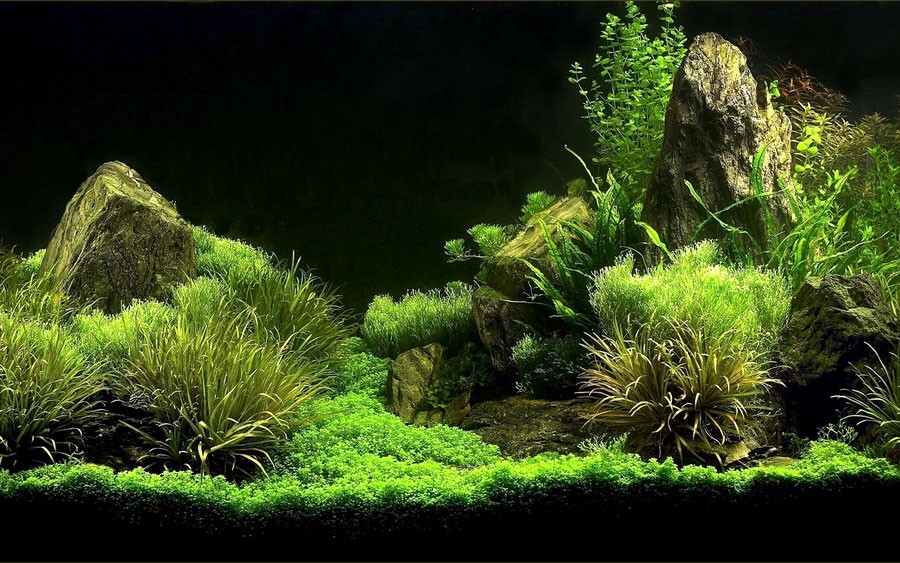
Aquarium plants, while a beautiful and functional addition to any tank, can sometimes present challenges. Fortunately, with the right knowledge and approach, these challenges can be effectively addressed.
Algae Growth
Algae is a common issue in many aquariums. While a small amount is natural, excessive algae growth can be problematic.
- Causes: Overfeeding, excessive light, and an abundance of nutrients in the water.
- Solutions:
- Reduce the amount of light the aquarium receives each day.
- Introduce algae-eating fish or invertebrates.
- Regularly clean the aquarium and perform water changes.
- Ensure you’re not overfeeding your fish.
Yellowing Leaves
Yellowing or pale leaves can be a sign that your plants aren’t getting the nutrients they need.
- Causes: Nutrient deficiencies, particularly in iron or nitrogen.
- Solutions:
- Use a comprehensive liquid fertilizer.
- Consider root tabs for heavy root feeders.
- Regularly test water parameters to ensure a balanced environment.
Stunted Growth
If your plants aren’t growing as quickly or as lushly as expected, they might be experiencing stunted growth.
- Causes: Inadequate lighting, nutrient deficiencies, or poor water quality.
- Solutions:
- Ensure your lighting is appropriate in intensity and duration for the plants you have.
- Regularly fertilize and monitor nutrient levels.
- Perform consistent water changes to maintain water quality.
Root Rot
Root rot can affect the health and stability of your plants.
- Causes: Overly saturated substrate, poor water circulation, or decaying organic matter.
- Solutions:
- Ensure your substrate isn’t too compacted, allowing roots to breathe.
- Improve water circulation with a pump or air stone.
- Remove decaying plant matter promptly.
Leaf Holes or Spots
Holes or transparent spots on leaves can indicate a deficiency or pest issue.
- Causes: Snails, certain fish species, or potassium deficiency.
- Solutions:
- Introduce snail predators or reduce snail population.
- Ensure fish species are plant-friendly.
- Address potassium deficiency with specific fertilizers.
By understanding these challenges and their solutions, you can ensure a healthy, thriving environment for both your aquatic plants and fish.
Aquarium Plant Care & Setup Tips

Caring for aquarium plants goes beyond just feeding and fertilizing.
Ensuring the right environment and meeting their specific needs can make the difference between a thriving underwater garden and a lackluster one. Here are some essential aspects to consider:
Water Requirements for Aquatic Plants
Water is the primary environment for your aquatic plants, and its quality can significantly impact their health.
- Temperature: Different plants have varying temperature preferences. While many tropical plants thrive in temperatures between 72°F to 78°F (22°C to 26°C), some might prefer cooler or warmer conditions. It’s essential to research the specific needs of your plants and maintain a stable temperature.
- pH Level: The pH level of your water indicates its acidity or alkalinity. Most aquatic plants prefer a pH range of 6.5 to 7.5. However, some plants have specific pH requirements. Regularly testing and adjusting the pH can ensure a conducive environment for your plants.
- Hardness: Water hardness refers to the concentration of calcium and magnesium in the water. Some plants prefer soft water, while others thrive in harder water. Knowing the hardness preferences of your plants and adjusting accordingly can promote better growth.
- Water Movement: While plants benefit from some water movement, which aids in nutrient distribution, excessive flow can be detrimental. Delicate plants might get damaged, and some species might not root well in strong currents. Ensure that the water movement in your tank is suitable for the plants you’ve chosen.
Light Requirements for Aquatic Plants
Light is fundamental for the process of photosynthesis in plants.
- Intensity: Different plants have different light intensity requirements, categorized as low, medium, or high. Ensure that your lighting setup matches the needs of your plants. Too much light can lead to algae growth, while too little can stunt plant growth.
- Duration: On average, aquarium plants benefit from 8 to 12 hours of light per day. However, the specific duration can vary based on the plants and the intensity of the light. Using a timer can help maintain a consistent light schedule.
- Spectrum: Plants use different light spectrums for photosynthesis. Full-spectrum lights or those specifically designed for plant growth can ensure that your plants get the right type of light.
CO2 for Aquatic Plants
Carbon dioxide (CO2) is another essential component for photosynthesis.
- Importance: While all plants need CO2, the amount required can vary. Some plants can thrive with the CO2 naturally present in the tank, while others might benefit from additional supplementation.
- CO2 Systems: For heavily planted tanks or those with plants that have high CO2 requirements, introducing a CO2 system can be beneficial. These systems release CO2 into the water, which plants can then utilize.
- Balance: It’s crucial to strike a balance with CO2 supplementation. Too much CO2 can be harmful to fish and other aquatic inhabitants. Regular testing and observation can help maintain the right levels.
Caring for aquarium plants might seem complex, but with research and regular observation, it becomes an intuitive and rewarding process.
By understanding and catering to the specific needs of your plants, you can create a vibrant, healthy, and mesmerizing underwater garden.
Feeding Your Aquarium Plants
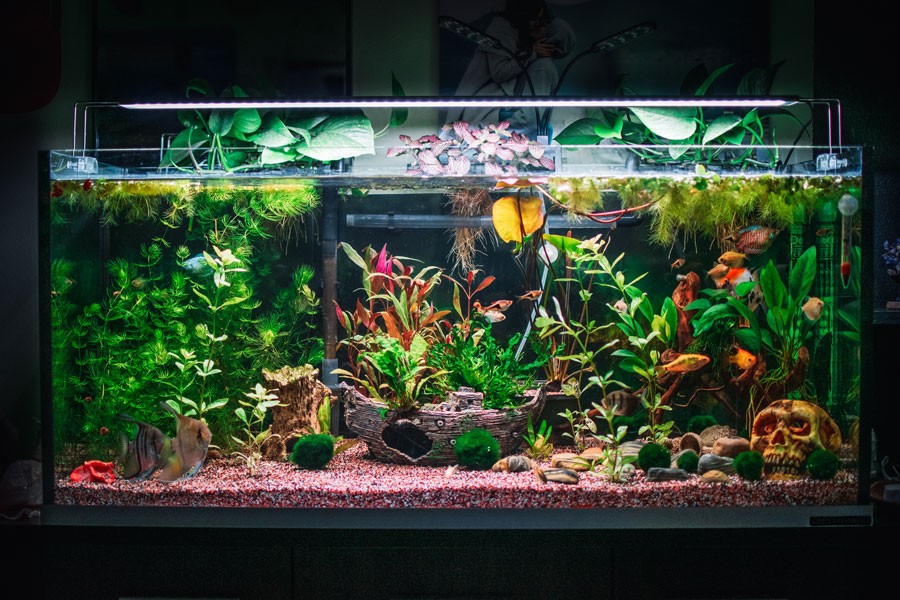
Just like terrestrial plants, aquarium plants require nutrients to grow and thrive.
While they can obtain some of these nutrients from the water and substrate, additional fertilization can be beneficial, especially in heavily planted tanks or when you’re aiming for rapid, lush growth.
Substrate Fertilisers
Substrate fertilizers are designed to be mixed with or layered beneath the aquarium substrate.
They provide a long-term nutrient source for plants, especially those that feed heavily through their roots.
Benefits:
- Offers a sustained release of nutrients over time.
- Ideal for heavy root feeders like Amazon Swords or Cryptocoryne.
- Reduces the risk of nutrient leaching into the water column.
Tablet Fertilisers
Tablet fertilizers are solid tablets or capsules that are pushed into the substrate near the roots of plants.
They provide a concentrated nutrient boost to plants in specific areas of the aquarium.
Benefits:
- Allows for targeted fertilization, especially for specific plants that might have higher nutrient needs.
- Slow-release formula provides nutrients over an extended period.
- Easy to use and apply as needed.
Liquid Fertilisers
Liquid fertilizers are added directly to the water column. They are quickly available to plants and are ideal for species that absorb nutrients primarily through their leaves.
Benefits:
- Rapid absorption by plants.
- Ideal for stem plants and floating plants.
- Allows for easy adjustment of nutrient levels based on plant needs.
Uneaten Fish food
While not a traditional fertilizer, uneaten fish food can break down and release nutrients into the water.
This can be beneficial for plants, but care should be taken to avoid overfeeding, which can lead to water quality issues.
Benefits:
- Natural source of nutrients.
- Breaks down over time, providing a slow release of nutrients.
How often do you feed aquarium plants?
The frequency of fertilization depends on the type of fertilizer used and the specific needs of your plants. Generally:
- Substrate Fertilisers: These are typically added during the setup of the aquarium and can last for several months to years before needing replenishment.
- Tablet Fertilisers: Depending on the brand and plant needs, tablets can be added every 3-6 months.
- Liquid Fertilisers: Often added weekly or after water changes. However, the frequency can vary based on plant requirements and the specific product.
How do I know when to fertilize my aquarium plants?
Observing your plants is the best way to determine their fertilization needs. Signs that your plants might need additional nutrients include:
- Yellowing or pale leaves.
- Slow or stunted growth.
- Holes or transparent areas in the leaves.
- Weak or thin stems.
Can you over fertilize aquarium plants?
Yes, over-fertilization can be harmful to both plants and aquarium inhabitants. Excess nutrients, especially nitrate and phosphate, can lead to algae blooms.
Additionally, high concentrations of certain nutrients can be toxic to fish and invertebrates.
It’s essential to follow the recommended dosages for any fertilizer and observe your plants and fish for any signs of distress.
Aquarium Plant Maintenance

Maintaining a thriving aquatic garden requires regular attention and care.
While plants add beauty and functionality to an aquarium, they also have specific needs that, when addressed, ensure their health and longevity. Here’s a breakdown of essential maintenance tasks:
Visual Checks
Regularly observing your plants can provide a wealth of information about their health and the overall condition of the aquarium.
- Leaf Health: Check for any discoloration, holes, or wilting in the leaves. These can be signs of nutrient deficiencies, pests, or diseases.
- Root Health: Healthy roots are crucial for nutrient absorption. Ensure that they are firmly anchored and show no signs of rot.
- Growth Rate: Monitor the growth rate of your plants. Stunted growth can indicate inadequate lighting, CO2, or nutrient levels.
- Pests: Look out for pests like snails or aquatic insects that might harm your plants. Early detection can prevent larger infestations.
Algae & Debris Removal
Algae and debris can compete with plants for nutrients and light.
- Manual Removal: Use an algae scraper or brush to remove algae from plant leaves, decorations, and tank walls.
- Natural Predators: Introducing algae-eating fish or invertebrates can help control algae growth.
- Debris: Decaying plant matter or uneaten food can accumulate in the tank. Regularly remove such debris to prevent water quality issues.
Water Changes
Regular water changes are crucial for maintaining optimal water quality.
- Frequency: Aim for a 10-20% water change weekly. This helps in removing toxins and replenishing essential minerals.
- Technique: Use a siphon to remove water, ensuring you vacuum the substrate to remove any accumulated waste.
- Replacement Water: Ensure that the new water is dechlorinated and matches the temperature of the tank.
Water Testing
Regular water testing can provide insights into the chemical balance of your aquarium.
- pH Levels: Monitor the acidity or alkalinity of the water to ensure it’s within the desired range for your plants and fish.
- Nutrient Levels: Test for essential nutrients like nitrate, phosphate, and potassium. Adjust fertilization based on the results.
- Hardness & Alkalinity: These parameters can impact the health of both plants and fish. Regular testing can help in making necessary adjustments.
Maintenance Over Time
As your aquarium matures, its needs might change.
- Pruning: As plants grow, they might require regular trimming to maintain their shape and size.
- Replanting: Over time, some plants might outgrow their location or overshadow others. Replanting can ensure optimal growth and aesthetics.
- Equipment Check: Regularly inspect equipment like lights, filters, and CO2 systems for any signs of wear or malfunction.
- Substrate: The substrate can get depleted of nutrients over time. Consider adding root tabs or replacing a portion of the substrate to replenish nutrients.
Regular maintenance ensures that your aquarium remains a healthy and vibrant ecosystem.
By dedicating a bit of time each week to these tasks, you can enjoy a lush, thriving aquatic garden that’s a joy to behold.
Aquarium Plants FAQs
Do all aquarium plants need CO2 supplementation?
While CO2 can benefit plant growth, not all aquarium plants require added CO2. Many beginner-friendly plants can thrive without it. However, if you’re looking to cultivate more demanding plants or achieve faster growth, CO2 supplementation can be beneficial.
How often should I change the water in a planted tank?
Regular water changes are essential, even in well-planted tanks. A general guideline is to change 10-20% of the water weekly. This helps in removing toxins and replenishing essential minerals.
Can I introduce plants into an already established aquarium?
Absolutely! You can introduce plants into an existing setup. Just ensure that the plants are compatible with the current inhabitants and conditions of your tank.
Why are the tips of my plant leaves turning brown?
Brown tips can be a sign of several issues, including nutrient deficiency, poor water quality, or even burn from intense lighting. It’s essential to diagnose the root cause and address it accordingly.
How do I prevent my fish from uprooting the plants?
Some fish are notorious diggers. To prevent them from uprooting plants, you can use plant anchors or choose plants that can be attached to driftwood or decorations. Additionally, providing these fish with designated digging spots using sand or fine gravel can deter them from disturbing the plants.
Can an aquarium have too many aquatic plants?
Yes, an aquarium can have too many aquatic plants. While plants are beneficial for oxygenating the water, absorbing excess nutrients, and providing shelter for fish, an overabundance can lead to several issues.
Overcrowding can limit swimming space for fish, compete excessively for nutrients, and block light from reaching all plants, causing those at the bottom to suffer.
It’s essential to strike a balance to ensure all inhabitants, both plant and fish, thrive in the environment.
Aquarium Plants Conclusion
In the world of Aquarium Plants, understanding and catering to their specific needs is the key to a lush and healthy aquatic garden.
As we’ve explored, these plants not only enhance the beauty of your tank but also contribute to the well-being of its inhabitants.
With the knowledge you’ve gained from this guide, you’re now better prepared to embark on the rewarding journey of cultivating a mesmerizing underwater landscape.
