

Dealing with aquarium plant deficiencies can be a challenging aspect of maintaining a vibrant underwater garden.
Aquatic plants, much like their terrestrial counterparts, play a pivotal role in the ecosystem.
They not only add aesthetic appeal but also contribute significantly to the balance of the environment.
By undergoing photosynthesis, they absorb carbon dioxide and release oxygen, which is vital for the fish. Moreover, they offer shelter and sometimes even food for the aquarium’s inhabitants.
However, ensuring these plants receive the right balance of nutrients is where the challenge often lies.
A deficiency in any of these can lead to stunted growth, discoloration, or even plant death.
As we delve deeper into this topic, we’ll explore the nuances of aquarium plant deficiencies and how to address them effectively.
Importance of Nutrient Balance
Every aquatic plant, from the floating ferns to the rooted substrates, requires a specific set of nutrients to flourish. These nutrients, often referred to as macronutrients and micronutrients, serve as the building blocks for plant growth.
Macronutrients include elements like nitrogen, phosphorus, and potassium, which plants consume in large amounts.
Micronutrients, on the other hand, encompass elements like iron, manganese, and zinc, required in trace amounts but equally vital.
When plants receive the right balance of these nutrients, they grow robustly, showcasing vibrant colors and strong stems and leaves. However, an imbalance, whether it’s a deficiency or an excess, can lead to a host of problems.
For instance, a nitrogen deficiency might cause older leaves to yellow and fall off, while an excess of phosphorus could trigger an algae bloom.
But where do these nutrients come from? Some are naturally present in tap water, while others are introduced through fish waste, uneaten food, and decaying organic matter.
However, these sources might not always provide a complete nutrient profile, necessitating the addition of commercial fertilizers.
Yet, blindly adding fertilizers isn’t the solution. Over-fertilization can be as detrimental as a deficiency.
It’s a delicate dance of observing plant growth, understanding their needs, and adjusting nutrient levels accordingly.
In essence, understanding the importance of nutrient balance is the cornerstone of a thriving aquatic garden. It’s the difference between a vibrant, healthy aquarium and one plagued with issues.
Recognizing the Signs of Aquarium Plant Deficiencies
One of the most rewarding aspects of being an aquarium hobbyist is watching your aquatic plants flourish.
However, just like any other living organism, they can face challenges.
Recognizing the signs of Aquarium Plant Deficiencies early on is crucial to rectify the situation before it escalates.
Observation is Key
Before diving into the specifics of each deficiency, it’s essential to emphasize the importance of regular observation. Plants communicate their health through subtle changes in their appearance.
Regularly spending time observing your aquarium can make all the difference in catching a deficiency before it becomes a significant issue.
General Signs to Look Out For
While each nutrient deficiency has its unique symptoms, some general signs indicate something’s amiss. These include:
- Stunted Growth: If your plants aren’t growing as robustly as they used to, or if new shoots are smaller and weaker, it could be a sign of a deficiency.
- Discoloration: Healthy aquatic plants should have vibrant colors. If you notice leaves turning yellow, brown, or even translucent, it’s a clear sign they’re missing essential nutrients.
- Leaf Drop: It’s natural for older leaves to die off occasionally. However, if you’re noticing a sudden increase in leaf drop, especially in younger leaves, it’s a cause for concern.
- Holes or Spots on Leaves: While this could be due to pests, often, it’s a sign of a specific nutrient deficiency.
- Weak Roots: If the plants are easily uprooted or if the roots appear thin and frail, they might not be getting the nutrients they need.
Specific Signs for Specific Deficiencies
While the above signs give a general idea, each nutrient deficiency has its hallmark symptoms.
For instance, a potassium deficiency often manifests as pinholes in the leaves, while a lack of iron might turn new leaves pale or white.
By understanding and recognizing these signs, you can take targeted action. Instead of blindly adding fertilizers, you can address the specific deficiency, ensuring your plants get precisely what they need.
In the world of aquatic plants, prevention is always better than cure.
By staying vigilant and understanding the signs of deficiencies, you can ensure your plants remain healthy, vibrant, and thriving.
Common Aquarium Plant Deficiencies and Their Symptoms
Aquatic plants, like their terrestrial counterparts, require a mix of nutrients to thrive. When they don’t get the right balance, they show signs of distress.
Let’s delve deeper into some of the most common deficiencies, their symptoms, and how they impact our green friends.
1. Nitrogen Deficiency

Nitrogen is one of the primary macronutrients that plants require. It’s a building block for amino acids, proteins, and even DNA. In the realm of aquatic plants, nitrogen is pivotal for leaf and stem growth.
When plants photosynthesize, they convert light into energy, and nitrogen plays a significant role in this energy transfer.
Without adequate nitrogen, plants can’t produce the proteins they need for growth, leading to stunted or deformed growth patterns.
In an aquarium, nitrogen typically comes from fish waste and decomposing organic matter. However, in heavily planted tanks or those with few fish, additional nitrogen might be required to keep plants healthy.
Symptoms:
- Yellowing Older Leaves: One of the first signs of nitrogen deficiency is the yellowing of older leaves. As the plant struggles to find nitrogen, it reallocates the available nitrogen from older leaves to newer ones, causing the older leaves to lose their green hue.
- Stunted Growth: Without adequate nitrogen, plants can’t produce the proteins they need for growth. This results in smaller leaves and reduced growth rates.
- Thin, Weak Stems: The stems might appear frail and might not hold up the plant effectively.
Solutions:
Introducing a nitrogen-rich fertilizer can help. However, it’s essential to do so gradually to avoid shocking the plants or the fish.
Regular water changes and ensuring a healthy fish population (which contributes to nitrogen through waste) can also help maintain nitrogen levels.
2. Potassium Deficiency

Potassium is a silent workhorse in the world of plant nutrients.
While it’s not a component of any plant structures like stems or leaves, it plays a role in many of the processes that keep plants healthy.
For aquatic plants, potassium aids in photosynthesis, protein synthesis, and the regulation of water uptake.
It’s a catalyst that activates enzymes and is involved in the production of ATP, the energy currency of cells.
A lack of potassium can disrupt many of these processes, leading to a range of symptoms that can affect the plant’s overall health and vitality.
Symptoms:
- Pinholes in Leaves: A classic sign of potassium deficiency is the appearance of tiny holes in the leaves. These can eventually lead to larger holes or tears.
- Browning Leaf Edges: The edges of the leaves might turn brown and crispy.
- Weak Flowering: If your aquatic plants produce flowers, a lack of potassium might result in fewer flowers or weak, underdeveloped blooms.
Solutions:
Using a comprehensive aquarium fertilizer that includes potassium can address this deficiency. As always, introduce any fertilizer gradually and monitor the plants for improvement.
3. Iron Deficiency

Iron is a trace element, but its impact on plant health is anything but minor. It plays a crucial role in the formation of chlorophyll, the green pigment in plants responsible for photosynthesis.
In aquatic environments, iron is essential for various enzymatic reactions and electron transport in photosynthesis.
Without iron, plants can’t produce chlorophyll effectively, leading to pale or yellow leaves.
Given that many aquariums have a substrate that’s not naturally rich in iron, and that iron can be quickly depleted in water, ensuring that aquatic plants have a consistent supply is crucial for their health.
Symptoms:
- Pale New Leaves: A clear sign of iron deficiency is when new leaves appear pale or even white. This is because the plant can’t produce enough chlorophyll without iron.
- Veins Remain Green: While the leaf tissue might turn yellow, the veins often remain green, creating a net-like appearance.
Solutions:
There are specific iron supplements available for aquatic plants. Opt for chelated iron, as it’s more accessible for plants to absorb.
Ensure that the aquarium’s pH level is conducive for iron absorption.
These are just a few of the common deficiencies that can plague aquarium plants.
Each nutrient plays a unique role in plant health, and a deficiency can manifest in various ways. The key is to recognize the signs early and take corrective action.
4. Phosphate Deficiency
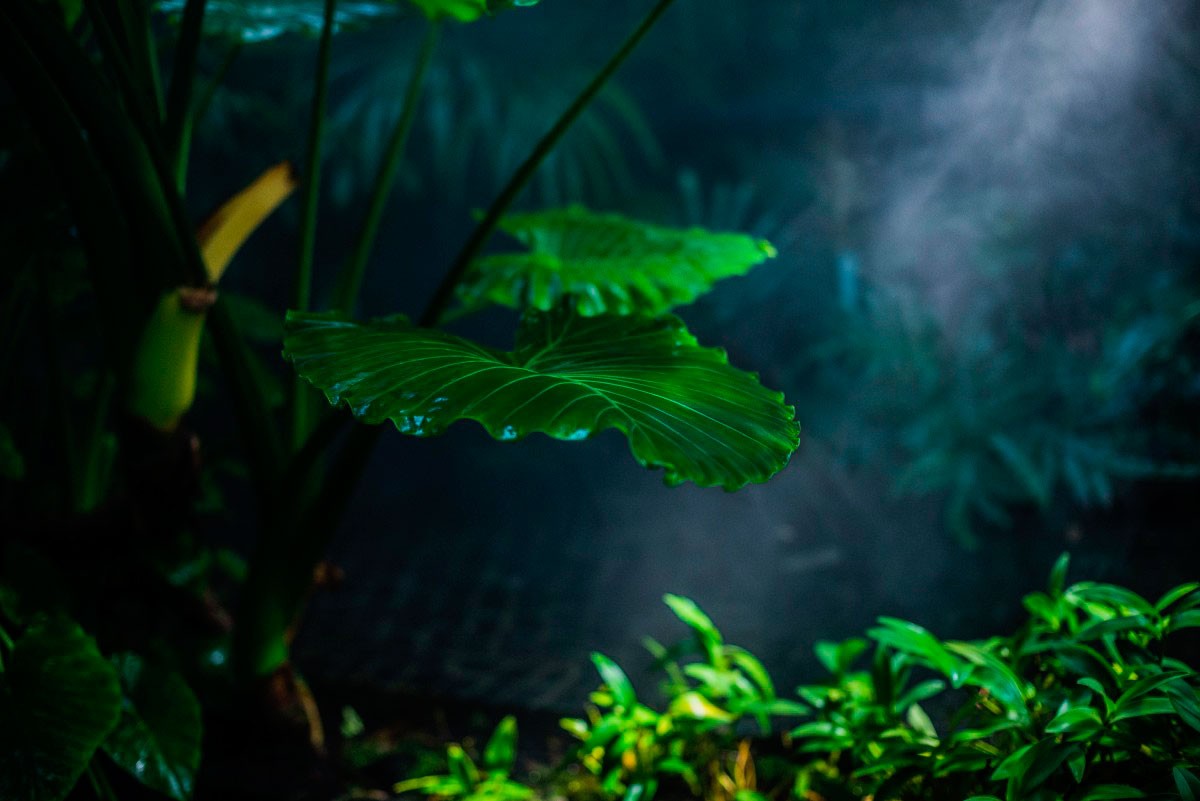
Phosphate plays a multifaceted role in plants. It’s not just a component of DNA, RNA, and ATP, but it’s also crucial for energy transfer.
In the world of aquatic plants, phosphate is essential for root development and energy transfer during photosynthesis.
This nutrient aids in the formation of oils and sugars and even helps plants take in other nutrients more efficiently. When plants have adequate phosphate, they can grow more vigorously and mature faster.
However, in an aquatic setting, ensuring the right balance of phosphate is crucial. Too much can lead to algae blooms, while too little can starve the plants of a vital nutrient.
Symptoms:
- Dark Green Leaves: A lack of phosphate can cause leaves to turn a darker shade of green than usual.
- Red or Purple Leaf Undersides: The undersides of leaves might develop a reddish or purplish hue.
- Slow Growth: Plants might exhibit stunted growth or grow slower than usual.
Solutions:
Introducing a phosphate-containing fertilizer can help address this deficiency. Ensure that you’re not overfeeding your fish, as uneaten food can also contribute to phosphate levels.
5. Magnesium Deficiency

Magnesium is more than just a central atom in the chlorophyll molecule. It’s a powerhouse nutrient that plays several roles in plant health.
In the context of photosynthesis, magnesium’s role is pivotal. It aids in the creation of chlorophyll, which plants use to convert light into energy.
Beyond that, magnesium helps plants to breathe by facilitating the uptake of carbon dioxide. It also plays a role in the synthesis of DNA and RNA.
In an aquarium, ensuring plants have enough magnesium is vital. Without it, they can’t produce the chlorophyll they need for photosynthesis, leading to a host of health issues.
Symptoms:
- Interveinal Chlorosis: The tissue between the veins of the leaves might turn yellow while the veins themselves remain green.
- Leaf Curling: The edges of the leaves might start to curl upwards.
- Necrosis: In severe cases, the affected areas might turn brown and die.
Solutions:
Epsom salt (magnesium sulfate) can be introduced to the aquarium in small quantities to address magnesium deficiency. Always ensure to introduce it gradually to avoid shocking the plants.
6. Calcium Deficiency
Calcium is often associated with strong bones in animals, but in plants, its role is just as vital. It’s a primary ingredient in cell walls and ensures that cells form properly.
Calcium also plays a role in cell division and the movement of other nutrients within the plant. In aquatic plants, calcium aids in root and leaf development.
A deficiency can lead to weakened cell walls, making the plant more susceptible to diseases and physical damage.
Given the submerged nature of aquatic plants, ensuring they receive adequate calcium can be a challenge, but it’s crucial for their overall health and vitality.
Symptoms:
- Deformed New Growth: New leaves might appear twisted, curled, or otherwise deformed.
- Leaf Tip Burn: The tips of the leaves might turn brown and appear “burnt.”
- Weak Roots: The plant’s root system might appear underdeveloped or weak.
Solutions:
Introducing a calcium-rich supplement or fertilizer can help. In some cases, adjusting the water hardness can also address calcium levels, as hard water typically contains more calcium.
Preventing Future Deficiencies
While addressing existing deficiencies is crucial, prevention is the best long-term strategy.
Ensuring that your aquatic plants consistently receive the right balance of nutrients can save you a lot of trouble down the road.
Let’s explore some proactive measures to keep your underwater garden thriving.
Regular Monitoring
Consistent observation is the first line of defense against nutrient deficiencies.
By keeping a close eye on your plants, you can spot early signs of distress and take corrective action before the problem escalates.
- Water Testing: Regularly testing your aquarium water can provide insights into its nutrient composition. There are various test kits available that can measure levels of essential nutrients like nitrogen, phosphorus, and potassium. By keeping these levels in check, you can prevent potential deficiencies.
- Growth Tracking: Keeping a growth log can be beneficial. By noting down how your plants are growing over time, any sudden changes in growth patterns can be quickly identified and addressed.
Choosing Quality Fertilizers
The market is flooded with various aquarium fertilizers, but they’re not all created equal.
- Comprehensive Nutrient Profile: Opt for fertilizers that offer a broad spectrum of nutrients. While macronutrients like nitrogen, phosphorus, and potassium are essential, don’t neglect micronutrients like iron, manganese, and zinc.
- Reputable Brands: It’s always a good idea to go with trusted brands that have positive reviews from other hobbyists. They’re more likely to have a balanced nutrient profile and be free from harmful additives.
- Liquid vs. Solid Fertilizers: Depending on your setup and plant species, you might prefer liquid fertilizers that can be added directly to the water or solid ones that can be inserted into the substrate. Each has its advantages, so research and choose what’s best for your aquarium.
Regular Maintenance
Routine maintenance goes a long way in preventing deficiencies.
- Water Changes: Regularly changing a portion of your aquarium water can help maintain a balanced nutrient profile. It removes excess nutrients that might cause algae blooms and introduces fresh nutrients that might be lacking.
- Pruning: Regularly pruning dead or decaying plant matter can prevent it from consuming essential nutrients. It also ensures that the available nutrients are directed towards healthy growth.
- Substrate Care: Over time, the substrate can become compacted, making it harder for plant roots to absorb nutrients. Periodically stirring the substrate or introducing substrate-dwelling creatures like snails or certain fish species can help maintain its quality.
In essence, preventing nutrient deficiencies is a mix of observation, maintenance, and using the right products.
With a proactive approach, you can ensure that your aquatic plants remain vibrant and healthy, adding beauty and balance to your aquarium.
Aquarium Plant Deficiencies FAQs
Why are my aquarium plants turning yellow?
Yellowing of aquarium plants, especially the older leaves, is often a sign of nitrogen deficiency. However, it can also indicate a lack of other nutrients or even issues with lighting. Regularly testing your water and observing your plants can help pinpoint the exact cause.
How often should I add fertilizers to my aquarium?
The frequency of fertilization depends on the type of plants you have, their growth rate, and the specific fertilizer you’re using. Always follow the manufacturer’s instructions. It’s also essential to observe your plants and adjust the frequency based on their response.
Can I use regular plant fertilizer for my aquatic plants?
It’s not recommended. Aquatic plants have specific nutrient requirements, and terrestrial plant fertilizers might contain elements harmful to aquatic life. Always opt for fertilizers designed specifically for aquariums.
How do I choose the right fertilizer for my aquarium plants?
Look for a comprehensive fertilizer that provides both macronutrients and micronutrients. Research the specific needs of your plants and choose a product that matches those needs. It’s also a good idea to consult reviews or fellow hobbyists for recommendations.
Why are the edges of my plant leaves turning brown?
Browning leaf edges can be a sign of potassium deficiency. However, it can also indicate other issues like poor water quality or even pests. Regular observation and water testing can help determine the root cause.
