


Embarking on the journey of aquarium plant fertilization can transform your aquatic garden into a thriving ecosystem.
As a passionate aquarist, I’ve experienced first-hand the wonders and challenges of nurturing aquarium plants.
Table of Contents
ToggleIn this comprehensive guide, I will walk you through the essentials of aquarium plant fertilization, covering everything from understanding plant nutrition and choosing the right fertilizers to applying them effectively and troubleshooting common issues.
Whether you’re a beginner or looking to refine your skills, this guide aims to equip you with the knowledge and confidence to master the art of fertilizing your aquarium plants for a lush, vibrant underwater world.
Let’s get started!
Understanding Aquarium Plant Nutrition

Aquarium plants require a delicate balance of nutrients to thrive, much like their terrestrial counterparts.
These nutrients can be broadly categorized into macronutrients and micronutrients, each playing a critical role in plant health and growth.
Macronutrients: The Essentials for Growth
The primary macronutrients are nitrogen (N), phosphorus (P), and potassium (K). These are the building blocks of plant growth.
- Nitrogen: It’s vital for the synthesis of amino acids, the building blocks of proteins. In aquariums, nitrogen is often derived from fish waste and uneaten food, but in planted tanks, additional supplementation may be necessary to meet the demands of dense plant growth.
- Phosphorus: This is key for energy transfer within plants, playing a pivotal role in the process of photosynthesis. Phosphorus deficiencies can lead to stunted growth and poor root development.
- Potassium: Essential for various plant processes, including photosynthesis, nutrient uptake, and overall growth. A lack of potassium can manifest in yellowing leaves and weak stems.
Micronutrients: Supporting Plant Health
While required in smaller amounts, micronutrients are equally important.
These include iron, magnesium, calcium, and trace elements like boron, copper, and zinc.
- Iron: Crucial for the formation of chlorophyll, the lack of iron can lead to chlorosis or the yellowing of leaves.
- Magnesium: A central component of chlorophyll, magnesium deficiency can cause older leaves to yellow.
- Calcium: Vital for cell wall development and growth.
Understanding Nutrient Absorption
Aquarium plants absorb nutrients both through their roots and directly from the water column. The method of absorption varies depending on the plant species.
For example, water column feeders like Java Fern primarily absorb nutrients through their leaves, while root feeders like Amazon Swords derive most of their nutrition from the substrate.
Balancing Nutrients in an Aquarium Setting
Balancing these nutrients in an aquarium is a delicate task. Excess nutrients can lead to algal blooms, while deficiencies can stunt plant growth.
Regular testing of water parameters is essential to maintain the right balance. Additionally, understanding the interactions between different nutrients and their impact on water chemistry is crucial for a thriving planted aquarium.
This section lays the groundwork for understanding how nutrients affect plant health and sets the stage for the next sections, where I’ll discuss the different types of fertilizers available and how to choose the right one for your aquarium.
Types of Aquarium Plant Fertilizers
Selecting the right type of fertilizer is crucial for the health and growth of your aquarium plants.
There are several options available, each suited to different types of plants and aquarium setups.
Liquid Fertilizers: Versatility and Ease of Use

Liquid fertilizers are a popular choice among aquarists due to their ease of use and effectiveness for a wide range of plant types.
- Benefits: They are easily absorbed through leaves and roots, making them ideal for both water column and substrate feeders. Liquid fertilizers can be precisely dosed and adjusted according to plant needs and tank size.
- Application: They are typically added directly to the water, often on a weekly basis. The frequency and dosage can vary based on the concentration of the product and the needs of your aquarium.
- Best For: Tanks with a mix of different plant types, especially those with a large number of water column feeders.
Root Tabs: Targeted Nutrition for Root Feeders

Root tabs are nutrient-rich tablets that are inserted into the substrate, providing a direct and concentrated nutrient source for root-feeding plants.
- Benefits: They slowly release nutrients, offering a long-term supply of essential elements directly to the roots where they are most needed.
- Application: Root tabs are ideal for heavily planted tanks or aquariums with large, root-feeding plants. They are typically placed in the substrate near the roots and replaced every few months.
- Best For: Plants like Cryptocorynes or Amazon Sword, which derive most of their nutrients from the substrate.
Substrate Additives: Long-Term Nutrient Foundation
Substrate additives are mixed into the substrate before planting and provide a nutrient-rich foundation for plant growth.
- Benefits: These additives can greatly enhance the fertility of the substrate, particularly beneficial for new setups or when replanting.
- Application: They are usually mixed into the substrate during the initial setup of the aquarium and can last for several years, depending on the product.
- Best For: Aquarists setting up a new planted tank or those looking to provide a nutrient-rich base for their plants.
Deciding the Right Fertilizer for Your Aquarium
Choosing the appropriate fertilizer for your aquarium is a decision that hinges on understanding your aquarium’s unique requirements and the specific needs of your plants.
Assessing Your Aquarium’s Needs
Before selecting a fertilizer, consider the following factors:
- Plant Types: Different plants have varying nutritional requirements. Identify whether your plants are predominantly root feeders, water column feeders, or a mix of both.
- Aquarium Size and Plant Density: Larger tanks or those with densely planted areas may require more nutrients, while smaller or sparsely planted tanks need less.
- Lighting and CO2: High lighting and CO2 supplementation can increase plant growth, subsequently raising nutrient demands.
- Fish Load: A higher fish population might provide sufficient nitrogen and phosphorus through waste, reducing the need for additional supplementation in these areas.
Personal Recommendations and Experiences
In my experience, a balanced approach often works best:
- For Mixed Plant Tanks: I recommend starting with a comprehensive liquid fertilizer that provides a broad spectrum of nutrients. This ensures that both water column and root-feeding plants receive an adequate supply of essentials.
- For Heavily Rooted Plants: Supplementing with root tabs can significantly improve the health and growth of species like Amazon Swords or Cryptocorynes.
- Monitoring and Adjusting: Regularly test your water parameters and observe your plants for signs of nutrient deficiency or excess. Adjust the type and amount of fertilizer accordingly.
Creating a Fertilization Schedule
Develop a consistent fertilization routine, starting with the recommended dosages on the product labels.
Gradually adjust based on your plants’ response and growth patterns.
Remember, less is often more when it comes to fertilization; it’s easier to add more nutrients than to rectify the issues caused by over-fertilization.
Integrating Fertilization into Overall Care
Fertilization should be a part of a holistic approach to aquarium care that includes regular maintenance, water changes, and monitoring of water quality.
This holistic approach ensures not only the health of your plants but also the well-being of the entire aquarium ecosystem.
Step-by-Step Guide to Fertilizing Aquarium Plants
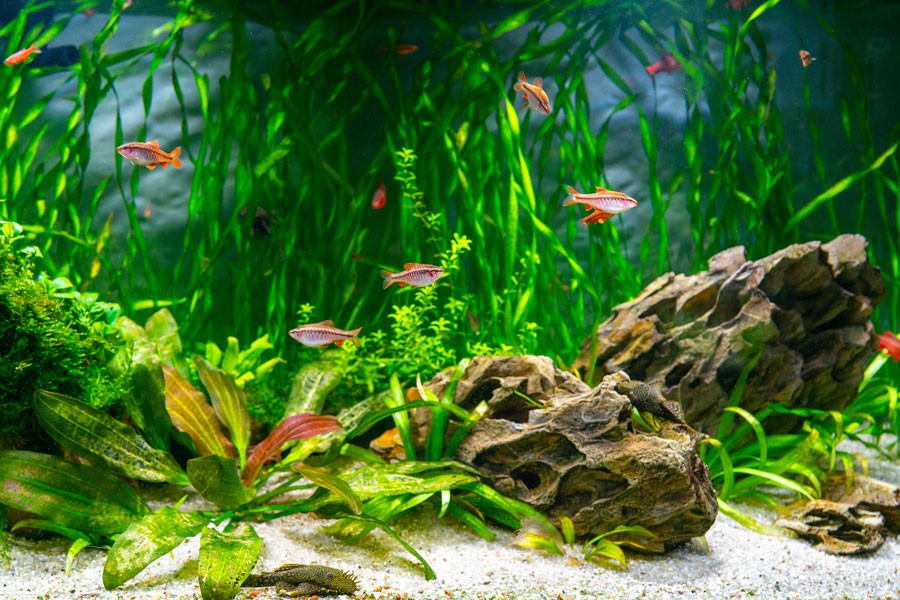
Proper fertilization is key to achieving a lush, vibrant aquarium. Here’s a step-by-step guide to help you effectively fertilize your aquatic plants.
Preparation Steps: Laying the Groundwork
Before you start fertilizing, it’s important to ensure your aquarium is ready to support healthy plant growth.
- Check Water Parameters: Ensure your water’s pH, hardness, and temperature are suitable for your plants.
- Substrate Inspection: For root-feeding plants, a nutrient-rich substrate is essential. Consider adding substrate additives if necessary.
- Plant Assessment: Examine your plants for signs of nutrient deficiencies to understand their specific needs.
Application Methods: How to Fertilize
The method of fertilizer application varies depending on the type of fertilizer you are using.
- Liquid Fertilizers: Shake the bottle well before use. Measure the appropriate amount as per the instructions and evenly distribute it across the water surface.
- Root Tabs: Insert the tabs near the roots of your heavy-feeding plants. Make sure they’re fully buried in the substrate to prevent nutrient leaching into the water column.
- Substrate Additives: If you’re setting up a new tank or revamping your substrate, mix the additives thoroughly into the substrate before planting.
Frequency and Dosing Guidelines: Finding the Right Balance
The frequency and amount of fertilization depend on various factors, including plant type, tank size, and lighting conditions.
- Start with Recommended Doses: Follow the manufacturer’s guidelines initially. These recommendations are a good starting point.
- Observe and Adjust: Monitor your plants and water quality regularly. Look for signs of growth and health in your plants, and adjust the dosage and frequency accordingly.
- Less Is More: It’s better to under-fertilize and gradually increase the dosage than to deal with the complications of over-fertilization.
Documenting Changes and Results
Keeping a log of your fertilization schedule, changes made, and observations can be incredibly helpful.
This record-keeping allows you to track what works best for your aquarium and make informed decisions in the future.
Consistency Is Key
Maintain a regular fertilization schedule. Consistent nutrient supply is crucial for steady and healthy plant growth.
Common Mistakes to Avoid in Fertilization
Proper fertilization is crucial, but it’s equally important to be aware of common mistakes that can adversely affect the health of your aquarium plants and the overall ecosystem.
Over-Fertilization and Its Consequences
One of the most common errors in plant fertilization is overdoing it. Here’s why it’s problematic:
- Algae Growth: Excess nutrients, especially nitrogen and phosphorus, can lead to rampant algae growth, which not only looks unsightly but can also outcompete plants for resources.
- Water Quality Issues: Over-fertilization can disrupt the delicate balance of the aquarium’s ecosystem, leading to poor water quality and potential harm to fish and other aquatic life.
- Plant Damage: Excessive nutrients can cause direct damage to plants, manifesting as burnt leaves or stunted growth.
Ignoring Water Parameters
Another mistake is neglecting the importance of water parameters when fertilizing:
- pH and Hardness: The effectiveness of certain nutrients can be influenced by the pH and hardness of your aquarium water. For instance, iron becomes less available in high pH levels.
- Nutrient Imbalances: Certain elements can interact with each other, leading to imbalances. For example, high levels of calcium can interfere with the absorption of other nutrients like magnesium.
Inconsistent Fertilization Practices
Inconsistency in fertilization can lead to fluctuating nutrient levels, which can stress plants and lead to poor growth and health.
- Irregular Application: Fertilizing sporadically can cause periods of nutrient scarcity and abundance, neither of which is beneficial for plant health.
- Neglecting Routine Maintenance: Regular water changes and tank maintenance are crucial alongside fertilization to maintain optimal conditions for plant growth.
Not Tailoring to Specific Plant Needs
Different plants have different nutrient requirements.
Applying a one-size-fits-all approach to fertilization can lead to some plants thriving while others struggle.
- Understand Your Plants: Research the specific needs of each plant species in your tank and try to accommodate them.
- Adjust Fertilization Accordingly: If you have a diverse range of plants, consider using targeted fertilizers like root tabs for root feeders or specialized liquid fertilizers for specific deficiencies.
By avoiding these common mistakes, you can ensure a healthier and more vibrant aquarium.
This knowledge sets a strong foundation for maintaining the well-being of your aquatic plants and the entire ecosystem.
Monitoring Plant Health and Growth

Regular monitoring of your aquarium plants is essential to ensure they are healthy and thriving.
Understanding the signs of nutrient deficiencies and responding appropriately can make a significant difference in the health of your aquatic garden.
Signs of Nutrient Deficiencies
Different nutrient deficiencies manifest in various ways in aquarium plants:
- Nitrogen Deficiency: Look for yellowing of older leaves and slow growth. Nitrogen is a critical component of chlorophyll and amino acids.
- Phosphorus Deficiency: This can cause stunted growth and dark, dull, or bluish-green leaves.
- Potassium Deficiency: Symptoms include yellowing at leaf edges and holes in older leaves.
- Iron Deficiency: New leaves may appear yellow or pale due to lack of chlorophyll, with veins often remaining green.
- Magnesium Deficiency: Similar to iron deficiency, but it usually affects older leaves first.
Adjusting Fertilization Based on Plant Response
Observing how your plants respond to your fertilization regimen is key:
- Responding to Deficiencies: If you notice signs of deficiency, adjust your fertilization strategy to address these specific needs.
- Balancing Nutrients: Sometimes, addressing one deficiency can unmask another. It’s important to provide a balanced nutrient profile to your plants.
- Trial and Error: Finding the right balance might require some experimentation. Adjust dosages gradually and monitor the response.
Using Test Kits and Observing Plant Growth
Regular use of test kits to monitor water parameters and nutrient levels can help you fine-tune your fertilization strategy:
- Test Water Regularly: Checking levels of nitrates, phosphates, iron, and other key nutrients can guide your fertilization.
- Observe Plant Growth Patterns: Vigorous growth, vibrant colors, and strong root systems are signs of healthy, well-fertilized plants.
Importance of Regular Maintenance
In addition to fertilization, regular maintenance such as pruning, cleaning, and water changes are crucial for plant health:
- Pruning: Helps promote growth by removing old or dying leaves and stems.
- Cleaning: Removing debris and excess algae keeps nutrients available for plants.
- Water Changes: Regular water changes help maintain stable water parameters and remove excess nutrients and pollutants.
By closely monitoring and responding to the needs of your aquarium plants, you can ensure they remain healthy and vibrant, contributing to a thriving aquatic ecosystem.
Advanced Tips for Experienced Aquarists
For those who have mastered the basics and are looking to elevate their aquarium plant care, here are some advanced tips that can help enhance plant health and aquarium aesthetics.
Tailoring Fertilization for Specific Plant Species
Different aquatic plants have unique nutritional needs. Advanced aquarists can benefit from customizing their approach:
- Research Individual Needs: Understand the specific requirements of each plant species in your tank. Some may need more iron, while others might thrive with extra potassium.
- Targeted Fertilization: Use specialized fertilizers to address the needs of specific plants. For instance, high-tech planted tanks with red or demanding species may require more iron and trace elements.
Experimenting with DIY Fertilizers
Creating your own fertilizer blends can be both cost-effective and rewarding:
- Custom Mixes: Mix individual nutrient salts to create a tailored fertilizer solution. This approach allows for precise control over nutrient ratios.
- Understanding Chemistry: Knowledge of basic aquatic chemistry is essential for DIY fertilizers to ensure the safety and balance of your aquarium environment.
Balancing Light and CO2 with Fertilization
Optimizing the interplay between light, CO2, and nutrients can lead to impressive growth and plant health:
- Increased Demands: High lighting and CO2 supplementation increase plants’ nutrient uptake. Adjust your fertilization regimen accordingly.
- Fine-Tuning: Observe how changes in lighting and CO2 levels affect plant growth and nutrient requirements, and tweak your fertilization strategy to keep up with these changes.
Monitoring for Optimal Results
Consistent monitoring and adjustments based on observations are key to advanced fertilization techniques:
- Regular Testing: Use advanced test kits to monitor a wide range of nutrients and adjust your fertilization strategy based on the results.
- Observational Skills: Pay attention to subtle changes in plant growth and appearance. This can be an indicator of whether your fertilization strategy is effective.
By implementing these advanced techniques, experienced aquarists can achieve a lush, vibrant, and well-balanced planted aquarium that is both a joy to maintain and a spectacle to behold.
Eco-Friendly Fertilization Practices
Adopting eco-friendly fertilization practices is not only beneficial for your aquarium plants but also for the environment.
These practices ensure a sustainable approach to aquarium keeping.
Natural Alternatives to Commercial Fertilizers
Using natural alternatives can be both effective and environmentally friendly:
- Aquarium Waste: Fish waste and decomposing plant matter can be a source of nutrients. Cultivating a balanced ecosystem where this natural cycle meets the nutrient demands of your plants is ideal.
- Compost Teas: Homemade compost teas can provide a range of nutrients. However, it’s crucial to ensure they are safe for aquatic use and free from harmful pathogens or chemicals.
Balancing Plant Health with Environmental Concerns
It’s important to strike a balance between providing your plants with the nutrients they need and keeping your aquarium’s ecosystem sustainable:
- Overuse of Chemicals: Be mindful of the ecological footprint of commercial fertilizers. Excessive use can lead to nutrient runoff and environmental issues in natural water bodies.
- Sustainable Practices: Consider practices like recycling aquarium water for garden plants, using less energy-intensive lighting, and opting for organic or naturally derived fertilizers.
Creating a Self-Sustaining Ecosystem
Aim to create an aquarium that mimics natural ecosystems:
- Live Food Cultures: Incorporating live food cultures can create a more natural and sustainable nutrient cycle in the aquarium.
- Aquaponics: Combining fishkeeping with plant cultivation, aquaponics is an innovative way to create a self-sustaining environment where plants use the nutrients provided by fish waste.
Responsible Fertilizer Use
Being environmentally responsible with fertilizer use involves:
- Judicious Application: Apply only the necessary amount of fertilizer, reducing the risk of nutrient leaching into natural waterways.
- Regular Monitoring: Keeping track of nutrient levels in your aquarium can prevent excesses that could harm the environment.
By adopting these eco-friendly practices, aquarists can enjoy the beauty of a lush planted aquarium while minimizing their environmental impact.
Aquarium Plant Fertilization F&Q
Can I use regular garden fertilizers in my aquarium?
No, garden fertilizers are not suitable for aquarium use as they often contain chemicals and compounds harmful to aquatic life.
How often should I fertilize my aquarium plants?
This depends on the type of fertilizer, plant species, and your aquarium conditions. Start with the manufacturer’s recommendations and adjust based on plant response and water tests.
What are the signs of over-fertilization in an aquarium?
Algae blooms, poor water quality, and sometimes direct damage to plant leaves, like browning or yellowing, can indicate over-fertilization.
Can I make my own aquarium plant fertilizer?
Yes, experienced aquarists can make their own fertilizers, but it requires a good understanding of plant nutrition and aquatic chemistry to ensure it’s safe and effective.
Is CO2 supplementation necessary for all planted tanks?
Not necessarily. CO2 supplementation can significantly boost plant growth, especially in high-light conditions, but many plants can thrive without it in well-fertilized, low-tech setups.
Aquarium Plant Fertilization Conclusion
In this guide on aquarium plant fertilization, we’ve explored various facets essential for nurturing a healthy aquatic garden.
From understanding the vital nutrients needed by your plants and choosing suitable fertilizers to fine-tuning your application techniques and adopting eco-friendly practices, you now have the tools to effectively cater to the nutritional needs of your aquarium plants.
Remember, successful aquarium plant fertilization is a blend of careful planning, observation, and adaptation to your plants’ unique requirements.
With the insights and tips shared in this guide, you’re well-equipped to create a thriving, beautiful aquatic ecosystem that brings joy and life to your space.
