

There’s nothing quite like the calming beauty of a well-maintained fish tank. If you have a small tank, you may be wondering, how many fish can be in a 3 gallon tank?
As a fish-keeping enthusiast, I’m thrilled to share some knowledge with you.
Ensuring your fish have the best possible home is crucial for their health and happiness.
One of the most important factors in creating a perfect aquatic environment? Tank size!
In this blog post, we’re diving into the world of 3-gallon tanks.
Though petite, these tanks can still make fantastic homes for the right fish.
Our goal? To help you understand the appropriate number of fish to house in a smaller, 3 gallon tank.
By the end, you’ll be well-equipped to create a thriving, beautiful underwater habitat for your new finned friends.
How Many Fish Can Be In a 3 Gallon Tank?
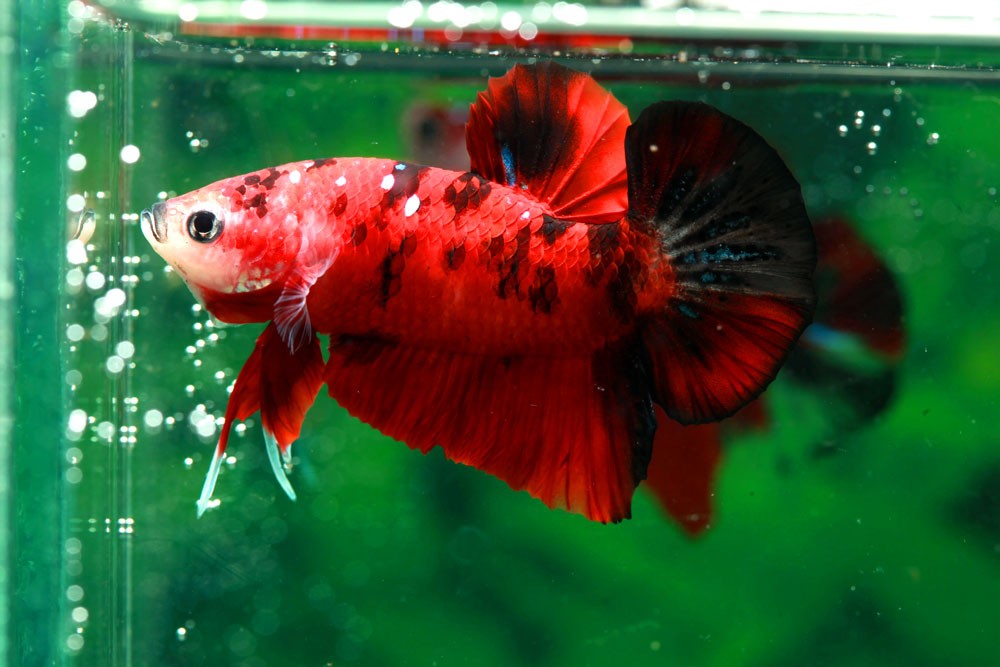
A 3-gallon tank can comfortably accommodate a single betta fish or a small group of dwarf shrimp or snails. Alternatively, you could house a few (2-3) small guppies.
Remember, these species require stable water parameters and diligent care, including regular water changes, proper feeding, and a well-maintained environment with hiding spots and suitable lighting.
Make your 3-gallon tank a thriving hub of aquatic life by considering the unique needs of your fish, prioritizing quality over quantity, and ensuring you provide an environment that closely mimics their natural habitat.
Typically, the one-inch-per-gallon rule is a familiar guideline, but it has limitations, particularly with small tanks like this.
It doesn’t account for fish growth, behavior, or waste production. More on the one-inch-per-gallon rule in the next section.
If you haven’t yet got a 3 gallon tank, you can check out our guide on The Best 3 Gallon Fish Tanks – Review & Buyers Guide.
The One-Inch-Per-Gallon Rule
This widely known guideline has been around for ages, helping aquarists determine how many fish they can safely house in their tanks.
Simply put, the rule suggests that for every gallon of water in your tank, you can accommodate one inch of fish. Sounds easy, right?
Well, it’s a good starting point, but there’s more to the story.
While this rule of thumb has been a go-to for many, it’s not without its flaws, especially when it comes to small tanks like our 3-gallon subject.
Limitations Of The One-Inch-Per-Gallon Rule
1. Different Fish Species
Firstly, the one-inch-per-gallon rule doesn’t consider the specific needs of different fish species.
Fish vary in size, temperament, and waste production. A one-size-fits-all approach doesn’t work in the diverse world of fish-keeping!
2. More Swimming Space
Secondly, the rule overlooks the fact that some fish require more swimming space than others.
Active swimmers need more room to roam, while sedentary fish might be fine in smaller quarters.
It’s essential to factor in the unique behaviors and preferences of your chosen fish species.
3. Overestimate The Capacity Of Small Tanks
Lastly, the rule tends to overestimate the capacity of small tanks.
In a 3-gallon tank, following the one-inch-per-gallon rule might lead to overcrowding, poor water quality, and stressed fish.
Not the paradise we’re aiming for!
In summary, the one-inch-per-gallon rule has its merits, but it falls short when it comes to small tanks like our 3-gallon example.
To truly create a healthy, thriving habitat, we need to look beyond this rule and consider the individual needs of the fish we want to keep.
Factors Influencing Tank Capacity
1. Fish Size, Temperament, and Growth Patterns
Fish size is a no-brainer. Bigger fish need more space!
But remember, it’s not just about their current size. Fish grow – sometimes, quite a bit!
Be sure to research the adult size of your chosen fish species. Plan for their future, not just their present.
Temperament plays a huge role too. Some fish are calm and peaceful, while others are feisty and territorial.
Peaceful fish might be content with less space, whereas territorial fish require room to stake their claim.
Mixing incompatible fish in a small tank? A recipe for disaster!
And let’s not forget growth patterns. Some fish grow slowly and steadily, while others experience rapid growth spurts.
Rapid growers demand extra consideration, as they can quickly outgrow their environment.
Knowledge is power – research your fish’s growth patterns to avoid any surprises.
2. Water Quality and Filtration Systems
Water quality and filtration systems – they’re the unsung heroes of fish-keeping!
Don’t underestimate their significance when it comes to tank capacity. Allow me to shed some light on these vital factors.
Water quality is essential for fish health. Poor water conditions can lead to stress, disease, and even death.
Overcrowded tanks suffer from deteriorating water quality as waste accumulates more rapidly.
It’s crucial to maintain a balance between fish numbers and water quality for a thriving aquatic ecosystem.
Filtration systems play a significant role in maintaining water quality.
They remove waste, excess food, and toxic chemicals from the water. But remember, filters have limits too!
Overloading a tank with fish can overwhelm even the best filtration systems, leading to poor water conditions.
Choose a filter that suits your tank size and bioload, and don’t overstock the tank.
In a nutshell, water quality and filtration systems are vital components of a healthy tank.
Keeping these factors in check ensures a safe, clean, and balanced environment for your fish.
So, when considering tank capacity, always prioritize water quality and choose an appropriate filtration system.
3. Plants and Decorations In The Tank
Plants and decorations – they’re not just for aesthetics! These aquatic accessories play an important role in your tank’s capacity, too.
Let’s explore their fascinating functions and benefits.
First off, plants are natural water purifiers. They absorb nitrates, ammonia, and other waste products, enhancing water quality.
They also release oxygen, which benefits your fish! But bear in mind, plants take up space, reducing the available swimming area for your fish.
Finding the right balance between plant life and fish inhabitants is key.
Decorations, such as rocks, driftwood, and caves, provide hiding spots and territory markers for your fish.
These structures can reduce stress, as fish feel more secure in their environment.
However, just like plants, decorations consume valuable tank space.
It’s essential to strike a balance between providing sufficient hiding spots and leaving enough room for your fish to swim freely.
Choosing the Right Fish for a 3 Gallon Tank

Best Fish For A 3 Gallon Tank
Selecting the perfect residents for your 3-gallon tank is an exciting challenge!
With limited space, it’s crucial to choose fish species that can thrive in small environments.
Here’s a list of ideal candidates for your petite aquatic paradise:
- Betta Fish: These colorful, hardy fish are well-suited to small tanks. Known for their stunning fins and feisty personalities, bettas can be a great choice. Just remember, they’re territorial – only one betta per tank!
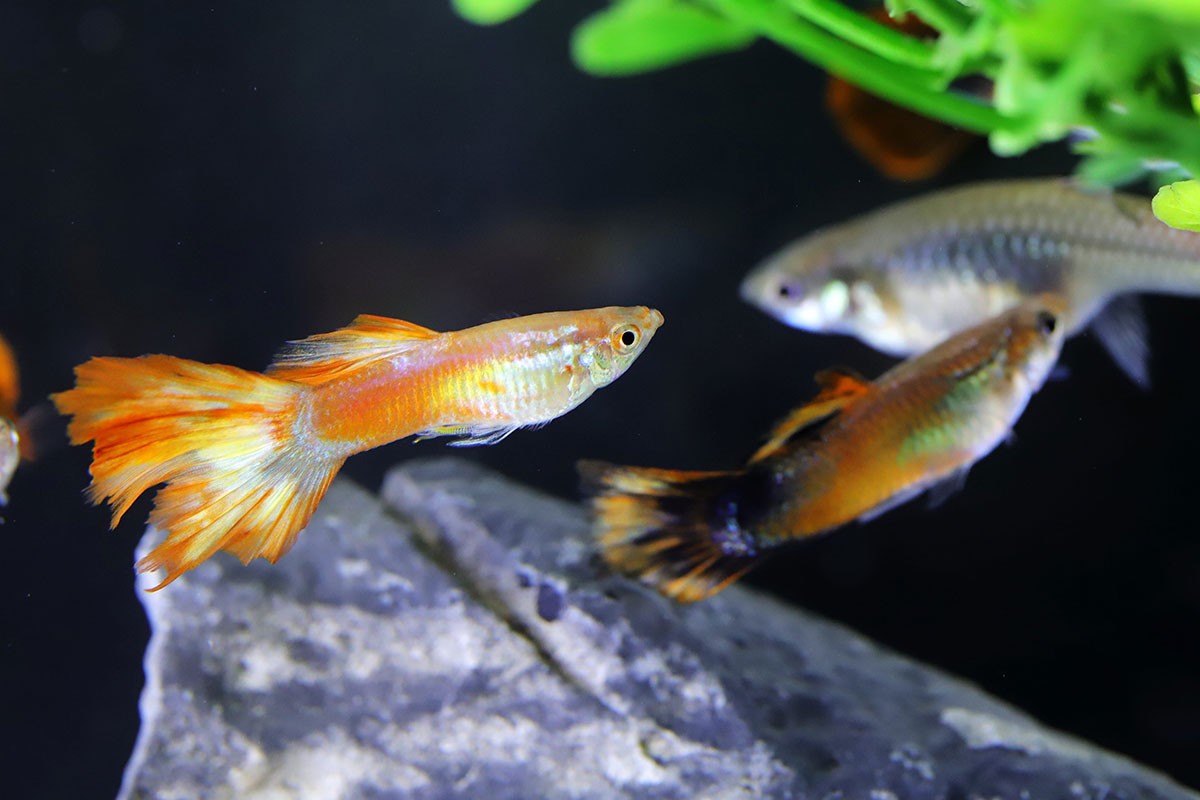
- Guppies: These small, lively fish come in an array of colors and patterns. Guppies are peaceful, making them excellent tankmates for other small species. A pair of guppies can thrive in a 3-gallon tank.
- Dwarf Shrimp: Colorful and fascinating, dwarf shrimp are a popular choice for nano tanks. They’re low-maintenance and help to keep the tank clean by consuming algae and detritus. Cherry shrimp and crystal shrimp are two stunning options.
- Endler’s Livebearers: These vibrant, active fish are similar in size and temperament to guppies. A pair of Endler’s livebearers can be a wonderful addition to a 3-gallon tank.
- Snails: Not exactly fish, but they make great tankmates! Snails like the nerite snail or the mystery snail help keep algae under control and add interest to your tank. Just one or two will do!
Keep in mind, these are just a few examples of suitable species for small tanks.
It’s essential to research each species’ specific needs and compatibility with other tank inhabitants.
By carefully selecting the right fish, you’ll be well on your way to creating a thriving, harmonious 3-gallon haven!
Selecting Fish For a 3 Gallon Tank: Tips & Tricks
Choosing the right fish for your 3-gallon tank is all about compatibility and catering to their needs.
To set you on the path to success, here are some valuable tips on selecting fish that will coexist happily and thrive in a small environment:
- Research, research, research: Understand the specific requirements of each fish species, such as water temperature, pH, and diet. Ensure your tank can provide the optimal conditions for your chosen fish.
- Consider fish temperament: Peaceful fish are more likely to coexist harmoniously, while aggressive or territorial species may require a tank of their own. Mixing incompatible fish can lead to stress, injury, or even death.
- Keep the bioload in mind: Some fish produce more waste than others. Overloading a small tank with heavy waste producers can quickly lead to poor water quality. Opt for fish with a lower bioload to maintain a healthy environment.
- Think about swimming levels: To create a visually appealing tank and give your fish enough space, select species that inhabit different areas of the tank – top, middle, and bottom.
- Match fish size to tank size: Select fish that won’t outgrow your 3-gallon tank. Large or fast-growing fish are not suitable for small environments.
- Consult an expert: When in doubt, don’t hesitate to ask for advice from experienced aquarists or local fish store staff. They can provide valuable insights and recommendations for your specific tank setup.
By carefully considering compatibility and the unique needs of each fish species, you’ll be well on your way to creating a harmonious, thriving underwater world in your 3-gallon tank.
Maintaining a Healthy 3 Gallon Tank
Regular Water Changes
Water changes are essential. They remove harmful waste products, maintain water clarity, and replenish vital minerals.
In small tanks like a 3-gallon, water quality can decline rapidly.
Don’t let your fish down! Perform partial water changes (20-30%) at least once a week. Consistency is key.
Monitoring Water Parameters
Monitoring water parameters – it’s a game-changer. Keep an eye on temperature, pH, ammonia, nitrite, and nitrate levels.
Stable conditions keep your fish healthy and stress-free.
Invest in a quality test kit and check parameters regularly, ideally once a week.
In short, regular water changes and monitoring water parameters are the cornerstones of a healthy 3-gallon tank.
These practices ensure your fish live in a clean, stable environment.
With a little dedication and consistency, you’ll be rewarded with a thriving, happy aquatic family.
Proper Feeding Schedule
A proper feeding schedule – it’s more important than you might think!
Feeding your fish might seem like a simple task, but it has a significant impact on the health of your 3-gallon tank.
So, why is a feeding schedule crucial, and how can you create one? Let’s find out.
Overfeeding is a common mistake in fish-keeping.
Excess food leads to poor water quality and increased waste, which is especially problematic in small tanks.
A feeding schedule helps prevent overfeeding and keeps your fish in tip-top shape.
Here’s how to create a proper feeding schedule:
- Research your fish species’ dietary needs: Different fish have different requirements. Some are herbivores, some carnivores, and some omnivores. Choose the right food for your fishy friends.
- Feed in small portions: Offer only as much food as your fish can consume within 2-3 minutes. Overfeeding can lead to obesity, health problems, and water pollution.
- Feed 1-2 times a day: Most fish thrive with multiple small feedings. However, some species may require a different schedule. Again, research is key!
- Mix it up: Offer a variety of foods to ensure a balanced diet. Incorporate flakes, pellets, frozen foods, and live foods, depending on your fish species’ preferences.
- Observe your fish during feeding: Keep an eye out for changes in appetite, which could indicate illness or stress.
Provide Hiding Spots And Appropriate Lighting
Hiding spots and appropriate lighting – they’re the unsung heroes of a healthy 3-gallon tank!
These elements might not be the first things that come to mind, but they play a vital role in your fish’s well-being.
Let’s uncover the benefits of providing these essentials.
Hiding spots are more than just eye-catching decorations. They serve a critical purpose by reducing stress and providing a sense of security for your fish.
In a small tank, adequate hiding spots are especially important.
Consider adding plants, rocks, driftwood, or small caves to create cozy retreats for your aquatic buddies.
Appropriate lighting sets the stage for a vibrant, thriving tank.
It supports plant growth, regulates fish behavior, and showcases your tank’s beauty. Here’s what to keep in mind:
- Research your fish and plant species’ lighting needs. Different species require different light intensities and durations.
- Use a timer to maintain a consistent day-night cycle. Aim for 8-12 hours of light per day, depending on your tank’s inhabitants.
- Choose the right light spectrum. Full-spectrum lighting is generally the best choice, as it mimics natural sunlight and supports plant growth.
- Be mindful of temperature. Lighting can affect water temperature, so monitor it closely to ensure it stays within the ideal range for your fish.
In a nutshell, providing hiding spots and appropriate lighting contributes to a healthy, stress-free environment in your 3-gallon tank.
Common Mistakes to Avoid
Here’s a list of common mistakes to avoid, ensuring your 3-gallon tank remains a healthy, happy haven for your aquatic friends:
- Overstocking: Small tanks are easily overstocked. Remember, less is more in a 3-gallon tank. Choose a few compatible fish species that won’t outgrow their home.
- Inadequate filtration: A strong filter is crucial for maintaining water quality. Select a filter rated for your tank size and keep it clean to ensure peak performance.
- Overfeeding: Too much food leads to poor water quality and obesity in fish. Stick to a proper feeding schedule and provide just enough food for your fish to eat in 2-3 minutes.
- Ignoring water parameters: Consistently monitor temperature, pH, ammonia, nitrite, and nitrate levels. Stable water parameters keep your fish healthy and stress-free.
- Neglecting water changes: Regular water changes are vital for maintaining water quality. Perform weekly partial water changes to keep your tank in top-notch condition.
- Incompatible tankmates: Mixing aggressive or territorial fish with peaceful species can lead to stress, injury, or even death. Research fish compatibility before adding new tankmates.
- Rushing the cycling process: A properly cycled tank is crucial for fish health. Be patient and allow your tank to cycle fully before introducing fish to avoid ammonia or nitrite poisoning.
- Overlooking maintenance: Routine maintenance keeps your tank running smoothly. Regularly clean the glass, check equipment, and remove debris to maintain a healthy environment.
By avoiding these common mistakes, you’ll be well on your way to becoming a fish-keeping expert!
Embrace the journey, learn from your experiences, and relish in the satisfaction of creating a thriving aquatic world for your beloved fish.
How Many Fish Can Be In a 3 Gallon Tank Conclusion
In conclusion, setting up and maintaining a healthy 3-gallon tank can be a rewarding and enriching experience.
Though small in size, these tanks offer a fascinating glimpse into the underwater world and can be an excellent introduction to fish-keeping.
Remember to consider factors like fish size, temperament, water quality, and filtration systems when selecting your tank’s inhabitants.
Be mindful of the one-inch-per-gallon rule’s limitations and opt for suitable species that will thrive in a compact environment.
Consistent water changes, monitoring water parameters, and adhering to a proper feeding schedule are the cornerstones of a healthy tank.
Don’t forget the importance of hiding spots, appropriate lighting, and compatible tankmates to ensure a harmonious underwater community.
By avoiding common mistakes and staying committed to your tank’s maintenance, you’ll soon become a fish-keeping pro.
Embrace the journey, learn from your experiences, and enjoy the satisfaction that comes with nurturing a thriving aquatic world for your finned friends. Happy fish-keeping!
Are you a fan of 3 gallon tanks? Or do you prefer a larger tank with more fish? Let us now in the comments below.
