
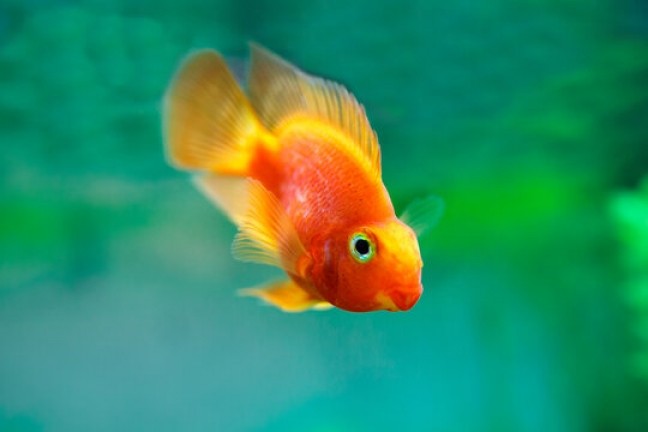

The Blood Parrot Cichlid! A name that evokes intrigue, doesn’t it?
This vibrant creature, often simply called the “Parrot Cichlid,” is a testament to nature’s palette.
Bursting with color and personality, it’s no wonder they’ve captured the hearts of aquarists worldwide.
But here’s the catch: while their beauty is undeniable, they’re not your average fish.
Their care? A tad more intricate. Their behavior? Oh, a delightful mix of quirks and charisma. And their history? A blend of mystery and marvel.
So, whether you’re a seasoned fish keeper or a newbie looking to dip your toes into the world of aquatics, this guide promises to be your compass.
Navigate the waters of Blood Parrot Cichlid care, diet, and breeding with confidence. Ready to embark on this aquatic adventure? Let’s make a splash!
Parrot Fish Overview

Scientific Name: | Amphilophus citrinellus x Heros severus, Amphilophus citrinellus x Paraneetroplus synspilus |
Distribution: | Taiwan |
Temperament: | Peaceful |
Size: | 7–8 inches |
Life expectancy: | 10–15 years |
Minimum Tank Size: | At least 30 gallons |
Diet: | Omnivore |
Care Level: | Intermediate |
pH: | 6.5–7.4 |
Hardness: | 3.3–6.6 dGH |
Temperature: | 76–80°F (24.4–26.6°C) |
The Blood Red Parrot Cichlids, often dubbed as Bloody Parrots or simply Blood Red Parrots, emerged as a hybrid species in Taiwan during the 1980s.
While their introduction sparked some debate, many came to admire them for their gentle nature and compatibility in communal aquarium settings.
This species emerged from the crossbreeding of Convict Cichlids with the likes of Red Devils, Midas, Red Heads, or even Gold and Green Severus.
These hybrids stand out with their distinct characteristics—a rounded physique paired with a beak-esque head and pronounced eyes.
Their mouths perpetually form an “O” shape, and with their teeth situated deep within their throats, they’re not equipped for combat.
Instead of fighting, they tend to nudge or bump into one another.
About Blood Parrot Cichlid
Origin
Ah, the tale of the Blood Parrot Cichlid’s origin is as colorful as its scales! Not a product of Mother Nature’s design, but rather a creation of human intervention.
Born from the crossbreeding of the Midas and the Redhead Cichlid in Taiwan during the late 1980s, this fish is a true testament to human curiosity.
A hybrid? Yes. But oh, what a splendid one!
Typical Behavior
Ever watched a toddler play? That’s the Blood Parrot Cichlid for you! Bursting with energy, these fish are active, playful, and oh-so-curious.
They’ll dart around, explore every nook and cranny, and occasionally, they might even play hide-and-seek behind plants or decorations.
But a word of caution: they can be a tad territorial, especially during breeding times. So, keep an eye out!
Appearance
Imagine a sunset. Now, splash it onto a fish. That’s your Blood Parrot!
Their bodies? A delightful mix of oranges, yellows, and reds. And their unique, beak-like mouths?
They give them an almost parrot-like appearance, hence the name. But remember, their mouths can make feeding a bit tricky, so be mindful of their dietary needs.
Size
When it comes to size, the Blood Parrot Cichlid is no minnow. Typically, they grow to a robust 7-8 inches in captivity.
But with the right care and environment? Some have even touched the 10-inch mark! A sizable presence for any aquarium, indeed.
Lifespan
With proper care, these vibrant beings can grace your tank for a good 10 to 15 years.
Yes, you heard that right! A decade or more of aquatic companionship. So, invest in their well-being, and they’ll reward you with years of joy and color.
Tank Setup & Requirements
Water Parameters
The Blood Parrot Cichlid thrives in slightly acidic to neutral water.
Aim for a pH level between 6.5 and 7.5. Hardness? Keep it between 6 and 12 dGH.
And temperature? A cozy 76°F to 80°F (24°C to 27°C) will keep them swimming happily.
Remember, consistency is key. Regularly test the water to ensure these parameters remain stable.
Tank Size
Space, the final frontier for our Blood Parrot Cichlid! These aren’t tiny tetras we’re talking about.
Given their size and active nature, a minimum of 40 gallons is recommended for a single fish.
Planning on a pair or a small group? Go bigger. Think 80 gallons or more.
Give them room to roam, and they’ll reward you with a display of delightful antics.
Filtration
Clean water is to fish what fresh air is to us. Essential! Given the Blood Parrot Cichlid’s size and waste production, a robust filtration system is non-negotiable.
Canister filters? They’re a top pick. They efficiently handle both mechanical and biological filtration, ensuring your tank remains crystal clear and toxin-free.
And here’s a tip: aim for a filter that can cycle the tank’s water volume at least 4 times an hour. Efficiency is the name of the game!
Heater
Warmth, a comforting embrace for our aquatic amigo. Blood Parrot Cichlids hail from tropical waters, so a reliable heater is a must.
Ensure even heat distribution by placing the heater near the filter’s water intake. And always, always have a thermometer on hand.
Regularly check the temperature, ensuring it stays within the ideal range. A stable environment? It’s the foundation of a thriving tank.
Lighting
Lighting isn’t just about visibility; it’s about setting the mood. For Blood Parrot Cichlids, moderate lighting is the sweet spot. Think of a sun-dappled pond on a lazy afternoon.
LED lights? They’re a favorite. Not only are they energy-efficient, but they also offer adjustable brightness.
Want to highlight your fish’s vibrant hues? Opt for lights with a slight blue tint.
And remember, like us, fish need a day-night cycle. Around 8-10 hours of light daily should do the trick. Timer switches? A godsend!
Substrate
The ground beneath their fins, the stage for their aquatic ballet! A fine to medium-grained substrate is ideal. Think soft sands or smooth gravel.
Why? It’s gentle on their bellies and allows for easy foraging. Color-wise, darker substrates can make their colors pop, creating a mesmerizing contrast.
But here’s a pro-tip: If you’re thinking of live plants, ensure the substrate supports their growth. A layer of nutrient-rich soil beneath the sand? Magic for plant roots!
Plants & Decorations
Nature’s art and a playground combined! Blood Parrot Cichlids are curious creatures.
Plants? They offer hiding spots and exploration zones. Opt for sturdy species like Java Fern, Anubias, or Vallisneria. They’ll withstand the occasional nibble or playful nudge.
Decorations? Think caves, driftwood, and smooth rocks. But here’s the catch: ensure there are no sharp edges. Safety first!
Arrange them in a way that creates open swimming spaces and cozy nooks. A well-decorated tank? It’s like a theme park for your fish!
Parrot Fish Common Diseases & Treatment
Just as we humans occasionally catch a cold, our finned friends too can fall prey to ailments. But fear not!
With knowledge and vigilance, we can ensure our Blood Parrot Cichlids swim in the pink of health.
Ich (White Spot Disease)
Ever noticed tiny white specks, akin to grains of salt, on your fish? That’s Ich! It’s a pesky parasite that can cause itchiness and stress.
The solution? Gradually raise the tank temperature to 86°F (30°C) over a few days. This accelerates the parasite’s life cycle. Pair this with an anti-Ich medication, and you’ll send those invaders packing!
Fin Rot
Tattered or discolored fins? It might be Fin Rot. Often a result of poor water quality or injuries, this bacterial infection can be nipped in the bud with regular water changes and antibacterial treatments. Clean water is the best preventive medicine!
Swim Bladder Disease
If your Blood Parrot Cichlid is swimming upside down or struggling to maintain buoyancy, it might be facing Swim Bladder issues.
Often caused by overfeeding or gulping air, fasting the fish for a day or two can help. Follow it up with a diet of boiled, skinned peas to aid digestion.
Pop-eye
One or both eyes bulging out? It’s not a new fashion statement but a condition called Pop-eye.
Often a result of injury or poor water conditions, it’s essential to check your water parameters. Clean, pristine water and a broad-spectrum antibiotic can work wonders.
Prevention
The age-old adage, “Prevention is better than cure,” holds water here (pun intended!).
Regular water changes, a balanced diet, and quarantining new fish or plants before introducing them to the main tank can keep most diseases at bay.
Parrot Fish Fish Tank Mates
Ah, the age-old question of companionship! Just as we humans cherish our friends, our Blood Parrot Cichlids too seek buddies to share their watery world with.
But here’s the catch: not all fishy friendships are made in aquatic heaven. So, who makes the cut?
The Good:
- Larger Tetras: Think Congo or Bleeding Heart Tetras. They’re peaceful, yet speedy enough to avoid any territorial disputes.
- Barbs: Rosy or Cherry Barbs? They’re sociable and can hold their own.
- Other Cichlids: Surprised? Some cichlids, like the Severum or the Blue Acara, can coexist harmoniously. But remember, always monitor their interactions.
- Catfish: Bottom dwellers like the Corydoras or the Plecostomus can be great tank mates. They’ll stick to the substrate, avoiding any mid-water drama.
- Loaches: Clown or Kuhli Loaches? They bring in a touch of playful energy without ruffling any fins.
The Not-So-Good:
- Small, Nippy Fish: Tiny Tetras or Barbs might see the Blood Parrot Cichlid’s flowing fins as a snack. Best to avoid.
- Aggressive Species: Red Devils or Jaguar Cichlids? They might turn your peaceful tank into a battleground.
- Very Passive Fish: Delicate species might get stressed by the Blood Parrot Cichlid’s playful antics.
Golden Rule:
Space! Ensure your tank is spacious enough to allow territories and hiding spots. Overcrowding? It’s a recipe for disputes and stress.
Parrot Fish Diet
Just as we relish a sumptuous meal, our Blood Parrot Cichlids too have their own palate preferences.
But here’s the twist: their unique beak-like mouths require a tad bit of dietary consideration.
Staple Diet
Pellets! Specially formulated cichlid pellets should be the mainstay. They’re packed with nutrients and are just the right size for our friends. But wait, sinking or floating? Given their mouth structure, sinking pellets are easier for them to gobble up.
Live & Frozen Foods
A treat for the senses! Bloodworms, brine shrimp, and daphnia bring in a touch of the wild. They’re like the gourmet dishes of the aquatic world. But a word of caution: ensure they’re parasite-free. Quarantine is key!
Veggies
Greens in the deep blue? Absolutely! Blood Parrot Cichlids enjoy the occasional blanched spinach, zucchini, or pea. It aids digestion and offers a break from the protein-heavy meals.
Feeding Frequency
Little and often is the mantra. Two to three small meals a day keeps their metabolism ticking and reduces waste. And here’s a pro-tip: observe their eating habits. Leftover food? You might be overfeeding. Adjust accordingly.
Treats
Every now and then, surprise them with a high-quality flake food or specialized cichlid treats. It’s like giving them a dessert after a hearty meal!
Remember
Variety is the spice of life, even underwater. A diverse diet ensures they get all the essential nutrients, keeping their colors vibrant and their fins fluttering with health.
Breeding Parrot Fish in Aquarium
The aquatic ballet of courtship and the delicate art of breeding.
But here’s the twist with our Blood Parrot Cichlids: their journey to parenthood is a tale of quirks and wonders.
The Challenge
Let’s address the elephant in the room. Due to their hybrid nature, male Blood Parrot Cichlids are often sterile. Yes, you read that right. Breeding them? It’s a game of chance and patience.
Courtship Rituals
When the mood strikes, you’ll witness a captivating display. Males will flaunt their vibrant hues, dart around, and even dig pits in the substrate. It’s their way of saying, “Hey, look at me!” Females, if interested, will join the dance.
Spawning
If all goes well, the female will lay her eggs in the chosen pit or on a flat surface. She’s meticulous, often choosing secluded spots or the underside of broad leaves. And then? The waiting game begins.
Parental Care
Blood Parrot Cichlids, despite their breeding challenges, are doting parents. They’ll guard the eggs fiercely, fanning them to ensure a steady flow of oxygen. Intruders? They better watch out!
The Offspring
Here’s where things get interesting. If you do get fry, they might not always inherit the distinct features of the Blood Parrot Cichlid. Genetics is a game of roulette, after all. But each fry, unique in its own right, is a testament to the marvels of the aquatic world.
A Helping Hand
Given the breeding challenges, some aquarists introduce fertile males from related cichlid species to ensure successful spawning. It’s a bit of matchmaking, aquatic style!
Parrot Fish Conclusion
The Blood Parrot Cichlid, with its quirks and colors, is a testament to the wonders of the aquatic realm. A hybrid, a marvel, a splash of sunset in our very homes.
But with its beauty comes responsibility. From tank setups to dietary needs, from companionship choices to breeding challenges, every facet requires attention, love, and a touch of patience.
But oh, the rewards! The joy of watching them dart around, the pride in a well-maintained tank, the thrill of potential fry, and the sheer wonder of sharing your space with a slice of the underwater world.
Do you own Parrot Fish? What issues have you found challenging? Let us know in the comments below.
