

The Bacopa aquarium plant stands as a testament to nature’s beauty beneath the water’s surface.
Revered by aquarists worldwide, this lush green gem not only elevates the aesthetics of any aquatic setup but also offers a myriad of benefits for the tank’s ecosystem.
In this comprehensive guide, we’ll journey through Bacopa’s rich history, delve into its care requirements, and uncover the secrets to ensuring its vibrant growth.
Whether you’re a seasoned aquarist or just dipping your toes into the world of aquascaping, this guide promises insights that will transform your underwater paradise.
Let’s dive into the Bacopa aquarium plant.
Bacopa Aquarium Plant Overview
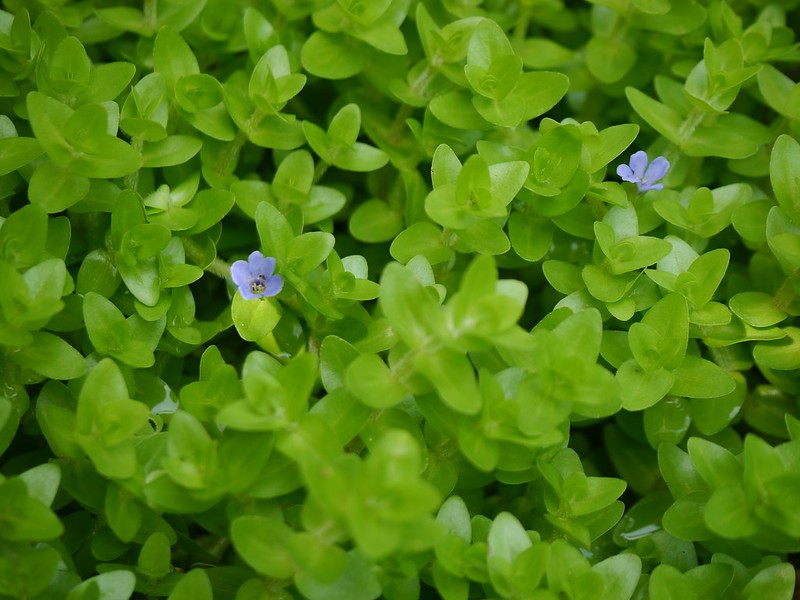
- Common Name: Bacopa Caroliniana (also known as Moneywort)
- Other Names: Giant Red Bacopa, Water Hyssop, Lemon Bacopa
- Scientific Name: Bacopa caroliniana
- Origin: United States (also found in parts of South Korea and other regions)
- Tank Size (minimum): 10 gallons
- Difficulty: Easy
- Lighting: Medium (color can vary depending on light intensity; bright lights produce a reddish-brown color)
- Height: Up to 16 inches (can be controlled by trimming)
- Growth Rate: Moderate
- Appearance: Bright colors, can be reddish-brown under bright lights or classic green under lower lights. Leaves are oval in shape, about an inch long, and grow in pairs on the stem. The plant can produce blue flowers with about five petals, more often above the water.
- Placement in Tank: Typically placed at the back of a tank due to its height.
- Propagation: Cuttings
- Special Features: Known to be very hardy and can grow under a broad range of conditions. It can grow in soil, sand, and can float on the surface. The plant is also known to release oxygen during photosynthesis, benefiting the fish in the tank.
Introduction to Bacopa
Bacopa, a staple in many aquariums, is more than just a pretty face.
Its rich history and the benefits it brings to our aquatic friends make it a must-have for both novice and expert aquarists.
History and Origin
Bacopa’s journey began in the marshy terrains of South America. Over time, it traveled across continents, finding its way into the hearts and aquariums of enthusiasts worldwide.
The plant’s resilience and adaptability are testaments to its survival in various climates and conditions. Its lush green tendrils, waving gently with the water’s current, tell tales of its ancient origins and the myriad waters it has graced.
Benefits of Bacopa in Aquariums
Beyond its beauty, Bacopa serves a functional purpose in aquariums. It’s a natural oxygenator, ensuring that our aquatic friends have a fresh supply of O2.
Moreover, its dense growth provides a sanctuary for smaller fish and invertebrates, offering them protection from potential predators. But that’s not all; Bacopa is also a natural water purifier.
Its roots absorb excess nutrients, preventing the growth of harmful algae and maintaining a balanced ecosystem within the tank.
Planting Bacopa
Introducing Bacopa to your aquarium is an exciting venture.
However, to ensure it thrives and flourishes, there are certain steps and considerations to keep in mind.
Choosing the Right Spot
While Bacopa is versatile and can adapt to various spots in your aquarium, it truly shines when placed in the mid to background.
This placement allows it to grow tall, creating a mesmerizing green curtain that sways with the water’s flow.
Moreover, positioning it at the back ensures that it doesn’t overshadow shorter plants, allowing for a multi-layered and aesthetically pleasing arrangement.
Substrate Requirements
The foundation for any plant’s growth is the substrate. For Bacopa, a nutrient-rich substrate is paramount.
This ensures that the plant has access to all the essential minerals and nutrients it needs to grow strong and healthy.
While it can survive in less-than-ideal substrates, providing it with a rich base will ensure vibrant growth and longevity.
Bacopa Aquarium Plant Maintenance and Care
Like all living beings, Bacopa has its needs.
While it’s relatively low-maintenance, ensuring that these needs are met will guarantee a thriving plant that adds beauty and function to your aquarium.
Lighting Needs
Sunlight is to plants what air is to humans. Bacopa, in particular, thrives in well-lit conditions.
A moderate to high lighting setup, mimicking the bright marshy terrains of its origin, is ideal.
Ensure that it receives consistent lighting for about 8-10 hours daily. This not only promotes growth but also ensures that the plant retains its vibrant green hue.
Water Parameters
Water is the lifeblood of an aquarium. For Bacopa, certain parameters need to be maintained to ensure its health and vitality.
- Temperature: Bacopa is quite adaptable when it comes to temperature. However, a range of 72-82°F (22-28°C) is ideal. This mimics the warm waters of its native habitat, ensuring optimal growth and health.
- pH Level: The pH level of the water can greatly affect Bacopa’s health. It prefers slightly acidic to neutral water. A pH level of 6.5-7.5 is ideal. Regularly testing the water and making necessary adjustments can ensure that it remains within this range.
Pruning and Trimming
Bacopa, if left unchecked, can grow quite tall. Regular pruning and trimming are essential to maintain its shape and ensure that it doesn’t overshadow other plants.
Moreover, trimming promotes bushier growth, leading to a denser and more vibrant plant.
Common Issues and Solutions
Every plant, no matter how hardy, faces its set of challenges. Bacopa, while relatively resilient, is no exception.
However, with a keen eye and timely intervention, most issues can be easily resolved.
Algae Growth
One of the most common issues faced by aquarists is the growth of algae on their beloved plants.
If you notice a green or brown film on your Bacopa, it’s a clear sign of algae. Algae growth is often a result of excessive nutrients in the water or prolonged exposure to light.
Solutions:
- Nutrient Control: Consider reducing the amount of food you provide to your aquatic life. Overfeeding can lead to excess nutrients, which algae thrive on. Additionally, consider introducing algae-eating fish or invertebrates, like Otocinclus or Amano shrimp, to keep the algae in check.
- Lighting: Adjust the duration and intensity of your aquarium lights. Reducing the lighting period or using a timer can help in preventing excessive algae growth.
Yellowing Leaves
If the lush green leaves of your Bacopa start turning yellow, it’s a cause for concern.
Yellowing leaves can be a sign of nutrient deficiency, particularly a lack of iron or nitrogen.
Solutions:
- Fertilization: Consider introducing a comprehensive liquid fertilizer that caters to the needs of aquatic plants. Ensure it contains essential micro and macronutrients to address any deficiencies.
- Water Changes: Regular water changes can help in maintaining a balanced nutrient level. Fresh water introduces essential minerals that might be lacking in old water.
Benefits of Bacopa for Aquatic Life
Bacopa’s benefits aren’t just limited to its aesthetic appeal or its role in maintaining water quality. It plays a vital role in the lives of the aquatic creatures that call your aquarium home.
Fish, especially the shy ones, often seek refuge in dense plant growth. Bacopa, with its thick foliage, provides an excellent hiding spot, offering them a sense of security.
For bottom dwellers like catfish or loaches, the intricate root system of Bacopa is a playground. They love rummaging through the roots, often finding morsels of food.
Moreover, for breeding fish, Bacopa can act as a nursery. The dense growth provides protection to the fry, shielding them from potential predators.
Best Tank Mates for Bacopa
Bacopa, with its lush greenery and dense growth, not only enhances the beauty of an aquarium but also provides a natural habitat for various aquatic creatures.
When considering tank mates for Bacopa, it’s essential to choose species that coexist harmoniously with the plant, benefiting from its presence and, in turn, contributing to its well-being.
- Small to Medium-sized Fish:
Fish like Tetras, Guppies, and Rasboras are excellent tank mates for Bacopa. These fish are peaceful and enjoy swimming around and through the dense foliage of Bacopa. They don’t typically nibble on plants, ensuring that your Bacopa remains intact. - Shrimps:
Shrimps, especially Amano and Cherry shrimps, are great companions for Bacopa. They love to forage on the plant, cleaning it of any algae or debris. Their gentle nature ensures that they don’t harm the plant, and their vibrant colors contrast beautifully against the green of Bacopa. - Snails:
Snails like Nerite and Mystery snails can be a great addition to a Bacopa-dominated tank. They help in algae control, moving gracefully over the plant’s leaves and stems, consuming any algae they come across. - Bottom Dwellers:
Corydoras catfish and Otocinclus are perfect bottom dwellers for a Bacopa setup. They love rummaging through the plant’s intricate root system, often finding morsels of food. Their peaceful nature ensures they coexist harmoniously with Bacopa without causing any harm. - Aquatic Frogs:
African Dwarf Frogs can be a unique and exciting addition to a Bacopa tank. They often use the plant’s dense growth as hiding spots and resting areas. Their gentle nature ensures they don’t disturb the plant.
When introducing any new tank mate, it’s essential to monitor their behavior to ensure they’re compatible with Bacopa.
While the above-mentioned species are generally safe, individual behaviors can vary.
It’s always a good idea to ensure that the chosen tank mates are not only compatible with Bacopa but also with other inhabitants of the aquarium.
Bacopa Aquarium Plant FAQs
How often should I fertilize Bacopa?
Bacopa benefits from regular fertilization, especially if you notice signs of nutrient deficiencies. Typically, a bi-weekly dose of a comprehensive liquid fertilizer should suffice. However, always follow the manufacturer’s instructions and adjust based on your plant’s needs.
Can Bacopa survive in brackish water?
While Bacopa is a freshwater plant, it has shown some tolerance to slightly brackish conditions. If you’re considering introducing it to a brackish setup, ensure that the salinity is on the lower end and monitor the plant closely for any signs of stress.
Is Bacopa suitable for ponds?
Absolutely! Bacopa can thrive in ponds, especially in warmer climates. Its oxygenating properties can benefit pond life, and its aesthetic appeal can enhance the beauty of any pond setup. Just ensure it gets adequate light and isn’t overshadowed by larger pond plants.
Why is my Bacopa not growing vertically?
If your Bacopa is showing more horizontal than vertical growth, it could be due to inadequate lighting. Ensure that the plant receives sufficient light intensity.
If it’s placed in the background, make sure taller plants or decorations aren’t blocking the light. Adjusting the lighting conditions should encourage more vertical growth.
Can I propagate Bacopa from cuttings?
Yes, Bacopa propagates easily from stem cuttings. Simply snip a healthy stem, ensuring it has a few leaves, and plant it in the substrate. With the right conditions, it’ll root and grow in no time, allowing you to expand your Bacopa forest!
Bacopa Aquarium Plant Conclusion
The Bacopa aquarium plant truly embodies the essence of underwater beauty and functionality.
As we’ve journeyed through its care requirements, benefits, and the vibrant life it brings to aquatic environments, it’s evident that this plant is more than just a visual delight.
It’s a cornerstone for many aquarists, bridging the gap between nature’s splendor and the art of aquascaping.
As you nurture your Bacopa, may it flourish and transform your aquarium into a thriving, green oasis that captivates and soothes.
Here’s to many more serene moments with Bacopa gracing your aquatic world.
