

Hey there fish-loving folks! Are you fed up with continually having to clean your fish tank filter? I mean, seriously, why does it get dirty so fast?
It’s like you just washed it the other day, and already it’s all gunked up with debris and dirt.
But hold on tight, because we’re about to dive deep into this issue!
Dirty filters are a common frustration among fish tank owners. It’s a tough nut to crack, trying to figure out what’s causing the problem. Is it something you’re doing wrong? Or is it just nature’s way of keeping you on your toes?
In this article, we’re going to take a closer look at the world of fish tank filters and figure out why they’re getting dirty so darn quickly.
We’ll explore the role of fish tank filters in keeping your aquatic environment healthy, and the factors that lead to their speedy filthification.
We’ll also chat about how dirty filters can negatively impact your fish and other aquatic life, and offer up some practical tips on how to prevent them from getting dirty in the first place.
So, whether you’re a seasoned fish tank owner or a newbie, get ready to soak up some knowledge on why your fish tank filter is constantly getting dirty. Let’s go!
What Do Fish Tank Filters Do?
Maintaining a healthy aquatic environment for your fish and other aquatic life is crucial, and that’s where fish tank filters come in.
These filters do the dirty work of removing harmful chemicals and waste from the water, which can be toxic if left unchecked.
This means your tank stays nice and clean.
Fish tank filters come in various types. This includes:
- Hang-on-Back Filters (HOB)
- Canister Filters
- Internal Filters
- Undergravel Filters
- Sponge Filters
- Power Filters
- Wet/Dry Filters
- Fluidized Bed Filters
- Protein Skimmers
- UV Sterilizers
- Media Reactors
- Sump Filters
- In-Tank Filters
- Diatom Filters
- Reverse Osmosis (RO) Filters
Some filters may overlap in function and design, and certain types may be more suitable for specific aquariums and fish species.
The right filter type depends on the size of your tank and the needs of your fish.
Regardless of the filter type, the basic function is the same.
Water is drawn in and passed through mechanical, biological, and chemical filtration media to remove debris, harmful bacteria, and contaminants.
The clean water is then returned to the tank, providing a healthy and stable aquatic environment for your fish.
If you don’t have a proper fish tank filter, your tank water can quickly become contaminated with harmful chemicals and waste, which can lead to sick fish and death.
So, it’s essential to choose the right filter for your tank and maintain it properly to ensure optimal function.
Why Does My Fish Tank Filter Get Dirty So Fast?
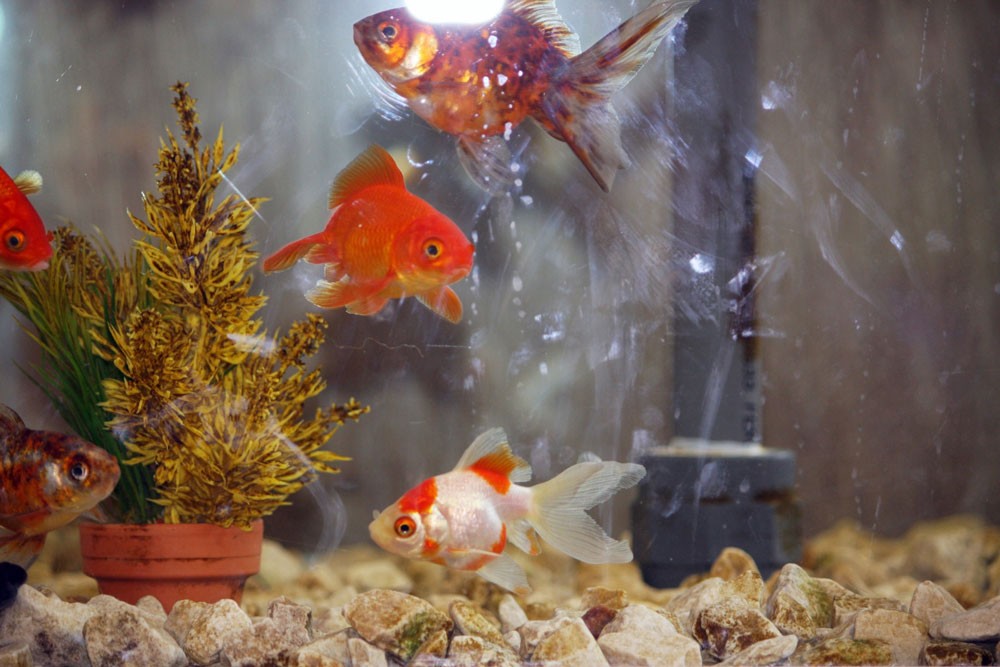
There are several reasons why fish tank filters can get dirty quickly. Let’s take a look.
Overfeeding
One of the main culprits is overfeeding.
When you feed your fish too much, excess food particles can build up in the water and clog your filter media.
Inadequate Water Changes
Another factor is inadequate water changes.
If you’re not changing your tank water regularly, waste and other contaminants can accumulate and overload your filter.
As a result, your filter may struggle to keep up with the demand, leading to dirty and ineffective filtration.
Lack Of Maintenance
Lack of maintenance is also a common reason for dirty fish tank filters.
If you don’t clean your filter regularly, it can become clogged with debris and bacteria, which can reduce its efficiency and lead to dirty water.
Additionally, if you don’t replace your filter media when it becomes worn out, it can also lead to dirty and ineffective filtration.
Type Of Fish
The type of fish you keep can also impact how quickly your filter gets dirty.
Some fish produce more waste than others, with some species being low maintenance and require less cleaning.
If you have a large number of fish in your tank, the waste can quickly accumulate and overload your filter.
Quality Of Your Fish Tank
The quality of your fish tank filter can also play a role in how quickly it gets dirty.
If you have a low-quality filter that doesn’t have the capacity to handle the demands of your tank, it may get dirty more quickly.
Here at Aquatics Kingdom, we always advice you to invest in a higher-quality filter.
By understanding these factors, you can take steps to prevent your fish tank filter from getting dirty quickly.
Effects Of Dirty Fish Tank Filters
Your fish tank filter might look insignificant, but it plays a vital role in keeping your aquatic environment healthy.
Poor Water Quality
When your filter is dirty and clogged, it becomes incapable of removing waste and other contaminants from the water.
This leads to high levels of ammonia and nitrite, which are toxic to your fish and other aquatic life.
They can cause stress, illness, and even death.
Cloudy And Murky Water
A dirty fish tank filter also results in cloudy and murky water, making it hard to see your fish and other aquatic life, and it’s unsightly.
Moreover, it can indicate high levels of bacteria and other harmful substances in the water, posing a risk to the health of your fish.
Poor Oxygenation In The Water
Filters are crucial for oxygenating the water, and a dirty filter can lead to poor oxygenation in the water.
If they’re not functioning well, your fish might not get enough oxygen.
This can cause them to become stressed, lethargic, and even die.
Foul Odors
Dirty fish tank filters can produce unpleasant smells due to the build up of waste and other contaminants in the water.
This can make it difficult to enjoy your aquarium and could be a sign of underlying problems with your tank
Keeping your fish tank filter clean and functioning correctly is vital for maintaining a healthy aquatic environment.
A dirty filter has a range of negative effects, from poor water quality and cloudy water to poor oxygenation and foul odors.
By taking the necessary steps to keep your filter clean and well-maintained, you can ensure the health and well-being of your fish and other aquatic life.
How Can I Keep My Fish Tank Clean?
It’s crucial to maintain a clean fish tank and ensure your filter is functioning properly for the health and well-being of your fish.
Check out some practical tips below to help keep your fish tank clean for longer:
- Don’t overfeed your fish: Only provide them with the amount of food they need, and remove any excess food after a few minutes to prevent accumulation in the water.
- Perform regular water changes: This helps remove waste and contaminants from your tank and eases the workload on your filter. The amount of water change you should perform depends on your tank’s size and the number of fish you have, but aim for a 10-20% water change each week.
- Clean your filter regularly: This involves removing and cleaning the filter media as per the manufacturer’s instructions. Also, ensure that you clean the filter housing and impeller to optimize its function.
- Pick the right filter for your tank: Make sure the filter you choose has the ability to handle the demands of your tank and the kind of fish you have. While a higher-quality filter may be more expensive initially, it can save you money in the long run by reducing the need for frequent replacements.
- Don’t overcrowd your tank: The more fish you have in your tank, the more waste they generate, which can overburden your filter and cause dirty water. Ensure you have the right tank size for the type and number of fish you have.
By following these tips, you can keep your fish tank clean and your filter working well, which will help to create a healthy aquatic environment for your fish and other aquatic life.
Remember, maintaining a healthy aquatic environment is essential for the health and well-being of your fish!
Frequently Asked Questions
Why is my fish tank filter dirty after 1 week?
Have you ever wondered why your fish tank filter gets dirty so quickly?
There’s actually a number of reasons that may be causing this.
First things first, let’s talk about what your fish tank filter actually does.
The job of a filter is to help remove unwanted dirt and waste that accumulates inside of a tank.
This enables your fish to live in a healthy and thriving environment with clean water.
However, in doing so, the filter itself can get super dirty and clogged with all that gunk.
Another reason your filter might be getting dirty fast is the size of your tank.
If it’s on the small side, your filter will be working extra hard to keep up with all the waste being produced by your fish, resulting in a quicker build-up of dirt and grime.
Dirty water is also a major culprit when it comes to dirty filters. If your tank water isn’t properly balanced or taken care of, it can lead to more waste and debris, which will ultimately clog up your filter.
So, make sure to test your water regularly and do those necessary water changes to keep your tank nice and clean.
How often should I clean my fish tank filter?
Now, how often should you clean your fish tank filter?
The frequency of cleaning will depend upon a number of factors. Some of these factors include:
- The size of your tank
- The number of fish you have inside of the tank
- The type of filter you are using
Keeping your fish tank clean is vital for the health of your aquatic pets.
When it comes to cleaning your filter, it’s recommended to aim for a monthly cleaning routine.
However, the size of your tank and the amount of fish you have inside will play an important factor on how often it should be cleaned.
If you have a large tank or several fish, you may need to clean the filter more frequently, say every two weeks or even weekly.
Remember to keep an eye on the condition of your filter media too.
If your filter visually looks very dirty or clogged, you may need to clean it more often.
Conversely, if the media looks relatively clean after a month, you can likely extend the cleaning interval.
How long should an aquarium filter last?
The lifespan of an aquarium filter depends upon a number of different factors:
- The filter’s quality
- Maintenance
- The size of the aquarium
- The number of aquatic organisms in the tank
As a rule of thumb, experts recommend replacing the filter every 4-6 weeks.
This timescale can vary depending on the circumstances.
For instance, if the filter shows signs of wear and tear, it’s advisable to replace it earlier.
On the other hand, regular maintenance like cleaning the cartridges, sponges, and bio-wheels can extend the lifespan of a filter.
However, if a filter is neglected, it can break down earlier and compromise the quality of the aquarium’s water.
But if the filter is well-maintained and the aquarium’s inhabitants are not overstocked, it can last for several months or even up to a year.
Why is my filter not cleaning my fish tank?
Are you having issues with your filter not doing the best of jobs in cleaning your aquarium?
Here are several reasons why:
- Filter not working: It’s possible that the motor isn’t running or that the filter media is clogged. If the filter is too small for your tank size or the number of fish you have, it may not be powerful enough to keep up with the waste production.
- Not cleaning the filter: Another possible cause could be that you’re not cleaning the filter frequently enough. The filter media can become clogged with debris and waste over time, reducing its effectiveness. To ensure optimal performance, it’s essential to clean the filter media regularly according to the manufacturer’s recommendations.
- Water parameters: Water parameters can also affect the filter’s ability to clean the water. It’s crucial to check the water parameters regularly as imbalances can harm the beneficial bacteria in the filter media, reducing its effectiveness. For example, if the pH, ammonia, or nitrite levels are too high, it can be detrimental to the filter’s ability to clean the water.
In conclusion, if your filter isn’t cleaning your fish tank, it’s important to identify the cause and take action promptly to prevent further issues.
What is the brown sludge in my aquarium filter?
Have you noticed a brown sludge in your aquarium filter?
Don’t fret! This is a common issue faced by many aquarium owners.
This can be caused by a number of factors.
- One possible cause is overfeeding your fish, which can result in excess food particles accumulating in the filter.
- Another cause could be inadequate water changes, which can lead to a buildup of nitrates and other waste products.
It’s essential to address this issue as soon as possible.
The sludge can decrease the water quality, leading to stressed-out fish that are more prone to disease.
Furthermore, the build up of waste can cause your filter to function less efficiently, reducing its lifespan and potentially causing malfunctions.
To solve this issue, it’s crucial to regularly clean your filter and perform water changes as necessary.
It’s also wise to reduce the amount of food you give your fish and avoid overstocking your aquarium.
By following these steps, you can help keep your aquarium filter and overall aquatic environment clean and healthy.
Why Does My Fish Tank Filter Get Dirty So Fast Conclusion
In conclusion, keeping your filter clean and clear of dirt is crucial for the health and well-being of both your tank and your fish.
You should now have a better understanding of why a filter gets dirty so fast.
You should now also have the knowledge on how to prevent this happening, and how to keep your filter clean.
This will ensure that it keeps functioning optimally, which will help the quality f your water inside of the tank.
Regular water changes, appropriate feeding practices, and proper filter maintenance can all help to keep your filter clean and prevent the negative effects of a dirty filter.
Remember, a healthy and thriving aquatic environment requires more than just a clean tank and filter.
