
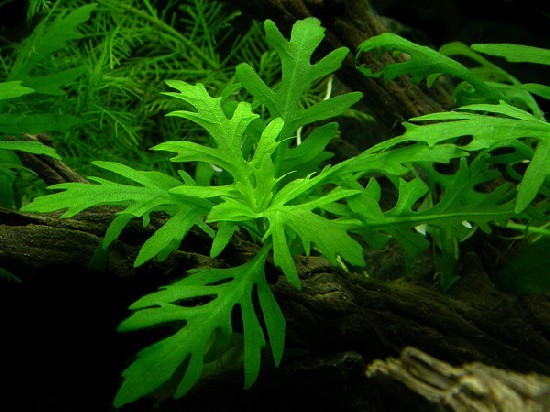

In this post we are going to look at water wisteria the ultimate guide.
There are are a number of different ways an aquarium can benefit from plants such as keeping the water clean and help provide shelter for fish.
Water wisteria (Hygrophila difformis) is easy to propagate and doesn’t take up a lot of your time.
This article will teach you all of the information and everything you need to know about water wisteria.
Key Specifications of Water Wisteria
Plant: | Water Wisteria (Hygrophila Difformis) |
Family: | Acanthaceae |
Care Level: | Easy |
Growth Rate: | Fast |
Size: | 3 inches to 20 inches |
Minimum Tank Size: | 10 Gallons |
Water Conditions: | 70-82° F (21-27° C), 6.5-7.5 pH, 2-8 KH |
Lighting: | Moderate to High |
Propagation: | Side Shoots / Cutling |
Placement: | Background or Carpet |
Water Wisteria Overview
Water wisteria is from the Acanthaceae family and is a freshwater plant. This plant is native to the Indian subcontinent covering India, Nepal, Bangladesh, and Bhutan. Water wisteria provides a number of different benefits for your tank such as acting as a shelter for your fish and helping to keep the water cleaner.
This plant is a great option for both experts and beginners because the care is so easy. It’s also very easy to propagate which will help people to multiply their populations. They are also very attractive with their bright green leaves which will make your tank look amazing!
Origin & Habitat of Water Wisteria
As previously stated, water wisterias are from the Indian subcontinent which is Bangladesh, Bhutan, Nepal, and India. They are commonly found during the rainy season out in the wild in shallow water of marshlands.
How long does it take to grow?
You should give it around a week before you see any growth because water wisteria does experience some melting problems. Expect it to grow as around 2″ to “3 per week when it does start growing.
Appearance
It’s generally around 10″ wide and can reach heights of up to 20″ with bright green leaves. If left uncontrolled then it may get too large for the tank and block out light. They are useful for scientists because they take a few different forms. Their leaves change shape depending on the environment which is known as heterophylly.
The stem is firm to enable it to support the weight of the leaves and is slightly darker. Their roots are thin and help to anchor the plant to keep it in place as they are buried beneath the substrate. It can either spread across the bottom of the tank like a carpet, or climb up to the surface of the water. This all depends on how you plant it.
Benefits of Water Wisteria
Having water wisteria in your tank can bring a bunch of amazing benefits. Some of these benefits are:
- Serves as a hiding spot which your fish will love. Especially if you keep it high up on the surface of the water.
- Can provide a home for bottom-dwelling fish when it spreads at the the bottom of the tank like a carpet.
- Very easy to breed.
- Looks great aesthetically.
- Some species enjoy eating the leaves.
- Has a great calming benefit for humans due to the flowing movement under the water which helps reduce stress.
Buying Water Wisteria
Buying strong specimens is important to allow it the best chance of survival. When buying water wisteria, here are some important things to look out for:
- Look for roots that are long and abundant which helps to gather nutrients.
- Should be able to support it’s own weight by standing upright.
- Color should be consistent and bright. An indication of poor health is any areas of brown or yellow.
As water wisteria is such a popular plant, it’s very easy to find and should be available in most stores. The cost usually depends on both the amount and size of the plant. Remember that you don’t need to buy too much as it’s very easy to breed yourself.
How to Care for Water Wisteria
Tank Conditions and Requirements
Although water wisteria is very easy to care for, there are still certain conditions required in order for the plant to stay healthy. Let’s take a look below:
Tank Size
You should have a tank that can fit at least 10 gallon of water due to the amount of space the plant takes up.
Nature of Lighting
Wisteria prefers warm shallow water with high exposure to sunlight in it’s natural habitat. As you can’t keep a fish tank under sunlight due to the fact it would effect water temperature, you will need artificial lights. These lights must be kept on for at least 10 hours a day.
There are fears that keeping these lights on for longer than 10 hours will encourage growth of algae and cyanobacteria. This problem is eliminated due to the high nutrient requirements of water wisteria. These nutrient are the same ones that algae and bacteria feed on which means they are starved to death due to the fact the wisteria is consuming them all.
Filter
One way to supply fresh oxygenated clean water and keep toxic out of the aquarium is to use a filter. Although plants are natural filters, providing additional filtration will lessen the load on the plants. It’s a good idea to use a mechanical filter that doesn’t cause too much splashing on the surface. This is to prevent disturbing the water wisteria.
Substrate
You will have to take into consideration what kind of substrate to use if you are planting water wisteria on the bottom of the tank.
- Nutrient based substrate: Essential for growth and development which makes it a great choice for water wisteria.
- Gravel-based and sand-based substrate: These can also be used as long as they are regularly fertilized.
Always choose fine gravels. This makes it easier for the roots to move through the grains which firmly holds the plant in place better than larger-grained gravels would.
Supplements
Liquid water fertilizers and CO2 are not mandatory, but they can add extra to water wisteria to thrive healthily. When it comes to the liquid water fertilizers, make sure it contains iron content. The iron content will help the plant to promote fast growth. The leaves would turn pale and yellow if no iron was provided.
It’s also important to keep on eye on the levels of nitrate and phosphates as the plant requires these to survive.
Type Of Water For Water Wisteria
In order for this plant to survive, the right type of water is required in your tank. Here are some important things you need to know:
Temperature
It’s recommended to keep the water temperature at around 75-82°F (23-27° C) which reflects what it would be in the natural habitat of water wisteria.
PH Level
The water inside the tank should have a PH level of 6.5 – 7.5. On a weekly basis you should be testing how alkaline or acidic the water is in the tank by using a PH testing kit.
Hardness
Soft to moderately hard water (2-8 KH) is best for water wisteria to survive.
Replacement Procedure
Every week you should try and replace around 25% of the water inside of the tank. This procedure helps the overall environment to stay healthy. Changing all of the water at once is a bad idea because it can put the water wisteria in shock. This is caused by the sudden change in the ecological balance of the water.
How to Plant
When it comes to planting, you need to think about the way you have set up your tank. They won’t be able to grow properly if you are not using the right substrate. The ideal option for your tank is is to plant in sandy substrates as this is how they are rooted in the wild.
Avoid using larger grained substrates, use fine gravels instead. The roots will have to move through the grains very easily in order for it firmly hold the plant in place. This allows it to gather nutrients.
Also make sure to plant the stems where they have exposure to plenty of light for photosynthesis. If you don’t do this then the plant will not grow. Don’t pack the plants together too densely. If you do this then they will be competing against each other. When you first start out, plant just a few that are spaced out a few inches apart.
Plant the roots in the substrate. The stems will grow towards the light. If you looking for a carpet effect inside of your tank, plant the stems on their side and root them in place. The carpet effect will be created by the leaves facing upwards.
Maintenance
One of the best things about water wisteria is it is very easy to maintain. It doesn’t even need fertilizers. The minimum requirements is just at least moderate lighting. Water wisteria has been shown to keep algae at bay, even in high light conditions. The only real negative point is how fast water wisteria grows.
The rapid growth of the plant means that other plants will have a lot of competition when it comes to growing. It can easily take over the entire aquarium and completely block out any other plant. The big concern is it can block most of the light getting into the tank if it is floating on top.
Leaves of the water wisteria will also break off and form new roots underneath. If you want a nice tidy aquarium and don’t want the hassle of keep trimming, then water wisteria may not be the plant for you.
Water Wisteria Trimming
Trimming is an important task because water wisteria is one of the fastest growing plants. Trimming is fairly straight forward. It’s just a case of trimming back the stems to a size of your choice. Always make sure to remove any trimmed parts from out of the tank. Failing to do this means they will grow back into their own plant.
Water Wisteria Propagation And Reproduction
Propagation of water wisteria is quite a simple process in both the wild and captivity. Water wisteria would naturally grow until parts of the plant start to fall off. This would then cause the development of new plants. Inside of your aquarium you could replicate the same process by cutting the top 5 inches from the stem.
You would then plant these cuttings in a different location in the substrate. They will then start to develop into their own plant after they have grown roots. Before making the cuttings, make sure they have leaves. This is to ensure that it can photosynthesize.
Compatibility and Suitable Fish
Fish that are known for nipping shouldn’t be put into a tank with water wisteria. Especially large fish who will just completely destroy the plant. Let’s take a look at the details below:
Suitable Tankmates for Water Wisteria
Species of fish that you should have in a tank with water wisteria.
- Dwarf Gourami
- Rasboras
- Tetras
- Swordtails
- Bettas
- Corydoras Catfish
- Mollies
- Cherry Barbs
- Danios
- Guppies
Unsuitable Tankmates for Water Wisteria
If you have a tank with water wisteria then these species should never be put in the same tank:
- Rainbow Fish
- Goldfish
- Silver Dollars
- Oscars
Common Problems
Let’s take a look at some of the common problems of keeping water wisteria.
#1 Rapid growth
This has been mentioned a few times in this article. One of the most common problems of water wisteria is how quickly the plant grows. An aquarium cannot have too many plants, but can cause the following issues:
- Regular trimming
- Taking up more nutrients
- Excess plant disposal
- Could choke out other plants
#2 Plant debris
If your one of those people that loves their tank looking neat and tidy, this may be a problem for you. As the plant begins to decompose, it may also cause water quality issues.
#3 Clogging Your Filter
As parts of the water wisteria fall off, they may end up clogging your filter. This will happen no matter what kind of filter you have. The way to prevent this from happening is just by regular maintenance.
#4 Melting
This is a very common problem that happens with aquatic plants when they grow above water. This can be resolved by making sure to remove the dying parts of the plant before it begins to rot.
Water Wisteria Conclusion
This is a very beautiful plant to add to your tank and very easy to grow. If you have this inside of your tank, let us know your thought’s in the comments below.
