

“Black spots on aquarium plants” is a phrase that can send shivers down the spine of any aquarium enthusiast.
These pesky spots not only mar the beauty of your aquatic plants but can also indicate underlying issues in your tank’s environment.
In this comprehensive guide, we’ll delve deep into the causes of these black spots, explore the world of Black Beard Algae, and arm you with actionable solutions to address and prevent this common problem.
By the end, you’ll be equipped with the knowledge to restore the health and vibrancy of your underwater garden.
About Black Beard Algae
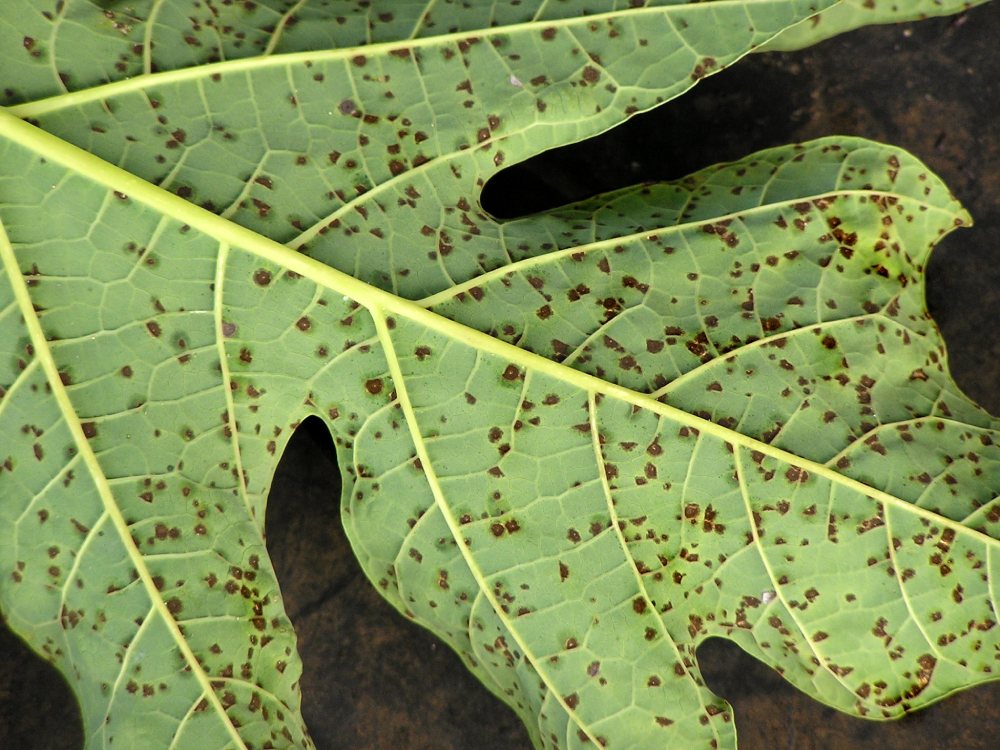
What Is Black Beard Algae?
Black Beard Algae (BBA), scientifically known as Staghorn Algae, is a type of red algae that appears black or dark green to the naked eye.
It’s characterized by its bushy, hair-like structure that can grow on almost any surface within an aquarium, including plant leaves, decorations, equipment, and even the substrate.
Its name is derived from its appearance, which resembles a dark, bushy beard.
How Did Black Beard Algae Get Into My Fish Tank?
BBA doesn’t just appear out of nowhere. It’s introduced into aquariums, often unknowingly, through various means:
- New Plants: If you’ve recently added new plants to your tank, they might have had BBA spores on them. Even if you didn’t see any visible signs of BBA on the new plants, the spores are microscopic and can easily go unnoticed.
- Decorations and Equipment: Just like plants, any new decorations, substrates, or equipment can introduce BBA if they were previously in a tank with an outbreak.
- Water: If you’ve used untreated water from a source that had BBA, it’s possible to introduce it into your tank this way.
In What Conditions Does Black Beard Algae Grow?
BBA thrives in specific conditions:
- Inconsistent CO2 Levels: Fluctuating CO2 levels are a significant contributor to BBA growth. If you’re using a CO2 system, ensure it’s consistent.
- Poor Water Circulation: Stagnant areas in your tank can become hotspots for BBA. Good water circulation ensures even distribution of nutrients and CO2.
- Excessive Lighting: While plants need light to grow, too much light, especially if it’s not of the right spectrum, can promote algae growth, including BBA.
- Nutrient Imbalance: An imbalance of nutrients, especially if there’s an excess of nitrates or phosphates, can favor BBA growth.
Is Black Beard Algae Harmful to Fishes?
Directly, BBA isn’t toxic to fish. However, a significant BBA outbreak can indicate underlying issues in the tank environment that might be harmful to fish.
For instance, the conditions that favor BBA growth, like fluctuating CO2 levels or poor water quality, can stress fish and make them more susceptible to diseases.
Is Black Beard Algae Harmful to Aquarium Plants?
Yes, BBA can be harmful to aquarium plants. While it doesn’t “attack” plants in the way some diseases do, it can overgrow on plant leaves, blocking light and inhibiting photosynthesis.
Over time, this can weaken the plant, stunt its growth, and even lead to plant death. Moreover, as BBA competes with plants for essential nutrients, a severe infestation can starve plants, further affecting their health.
Common Causes of Black Spots
1. Algae Overgrowth
Algae are a natural part of any aquatic ecosystem. In small amounts, they can even be beneficial, providing food for some aquatic creatures.
However, when conditions in the tank favor their rapid growth, they can quickly become a nuisance.
Why does algae overgrowth lead to black spots?
Well, certain types of algae, like Black Beard Algae (BBA), manifest as dark patches or tufts on plant leaves and decorations.
These algae thrive in environments with fluctuating CO2 levels and poor water circulation.
If you’ve been inconsistent with your CO2 dosing or if certain areas of your tank have stagnant water, you might be inadvertently inviting BBA to take over.
But it’s not just about the appearance. Algae can outcompete plants for essential nutrients, leading to stunted growth or even plant death in severe cases.
It’s essential to strike a balance and ensure that algae don’t get the upper hand in your tank.
2. Poor Water Quality
Water is the lifeblood of your aquarium.
Just as we humans need clean air to breathe, our aquatic plants need clean water to thrive. Poor water quality can stress plants, making them more susceptible to diseases and pests, including those that cause black spots.
High nitrate or phosphate levels are often culprits behind poor plant health. Overfeeding, decaying organic matter, and inadequate filtration can lead to a buildup of these harmful compounds.
When plants are stressed due to toxic water conditions, their immune systems weaken, making them more susceptible to various issues, including blackening of the leaves.
3. Inadequate Lighting
Light is to plants what food is to us. Through photosynthesis, plants convert light into energy.
But just as we can get sick from eating too much or too little, plants can suffer from inadequate lighting.
If your aquarium plants are getting too much light, they might show signs of stress, such as yellowing or thinning leaves.
On the other hand, too little light can lead to slow growth and weak, leggy plants. In both cases, stressed plants become more vulnerable to diseases and pests, including those causing black spots.
It’s also worth noting that the quality of light matters. Plants require light in specific spectra to photosynthesize efficiently.
If your lighting system doesn’t provide the right kind of light, even if it’s bright, your plants might still struggle.
4. Plant Diseases
While environmental factors are often to blame for black spots, sometimes the problem lies within the plant itself.
Various diseases can affect aquarium plants, leading to symptoms like blackening of the leaves, holes, or even rot.
One such disease is the “Black Spot Disease,” which, as the name suggests, causes dark spots on plant leaves. It’s a fungal infection that can spread rapidly if not addressed.
Over time, the affected leaves might decay and fall off.
Another potential disease is bacterial leaf spot, which starts as small water-soaked spots that eventually turn black or brown. These diseases thrive in environments with poor water quality and can spread from one plant to another.
Understanding the exact cause of the black spots is crucial because the treatment for an algae outbreak is different from that of a fungal or bacterial infection.
How to Identify the Cause
1. Observing Plant Behavior
Before jumping to conclusions or treatments, take a moment to observe your plants.
The behavior and appearance of your plants can give you significant clues about the underlying issue.
- Species Specificity: Are only certain species of plants affected? Some plants are more susceptible to specific problems than others. For instance, if only your Anubias is showing black spots, it might be more related to Black Beard Algae, which is known to favor this plant.
- Growth Rate: Have your plants slowed down in growth? Rapidly growing plants can sometimes outcompete algae for nutrients, but if they’re growing slowly, it might indicate inadequate lighting or poor water quality.
- Leaf Appearance: Besides the black spots, are there other changes in the leaves? Yellowing, holes, or translucent areas can indicate different issues, from nutrient deficiencies to diseases.
2. Testing Water Parameters
Your water’s chemistry plays a pivotal role in the health of your aquarium’s inhabitants, both flora and fauna.
Regularly testing the water can provide insights into potential problems before they become severe.
- pH Levels: Most aquatic plants prefer slightly acidic to neutral pH levels. Extremes on either end can stress plants and make them more susceptible to diseases and pests.
- Nitrate and Phosphate Levels: Elevated levels of these compounds can lead to algae blooms. They can originate from overfeeding, fish waste, or decaying plant matter. Regular water changes and proper feeding can help keep these levels in check.
- Carbon Dioxide (CO2) Levels: Plants need CO2 for photosynthesis. Inconsistent or inadequate CO2 can lead to poor plant growth and make them more vulnerable to issues like algae overgrowth.
Invest in a comprehensive water testing kit. While it might seem like an added expense, it’s a small price to pay for the health and beauty of your aquarium.
3. Other Observations
- Tank Equipment: Check if all your equipment is functioning correctly. A malfunctioning filter, for instance, can lead to poor water circulation and quality.
- Tank Inhabitants: Observe your fish and other creatures. Are they showing signs of stress or disease? Sometimes, issues with plants can be indicative of broader problems in the tank.
- Recent Changes: Think back to any recent changes you made to the tank. Did you introduce new plants or fish? Sometimes, new additions can bring in diseases or pests.
Identifying the root cause is half the battle. Once you know what’s wrong, addressing the issue becomes much more straightforward.
Ways to Get Rid of Black Beard Algae

1. Cutting
Physically removing BBA is one of the most direct methods to reduce its presence:
- Pruning: If the algae have infested specific leaves or sections of a plant, consider pruning those parts. This not only removes the BBA but also encourages new, healthy growth in plants.
- Scrubbing: For BBA on decorations, rocks, or equipment, remove the affected items from the tank and scrub them with a brush. Ensure you rinse them thoroughly before reintroducing them to the tank.
2. Liquid Carbon (Glutaraldehyde-based) Additives
Liquid carbon additives, which often contain glutaraldehyde, can be effective against BBA:
- How it Works: These additives provide an alternative carbon source for plants, but they also have an algicidal effect, meaning they can kill algae.
- Application: Follow the manufacturer’s instructions when dosing. Typically, you’d dose the tank daily, and over time, you’ll notice the BBA turning red or white, indicating it’s dying.
- Caution: While effective, glutaraldehyde can be harmful to some aquatic life, especially invertebrates like shrimp. Always dose with caution and monitor your tank inhabitants for any signs of stress.
3. Dip Affected Plants in Hydrogen Peroxide
Hydrogen peroxide is a common household item that can be used to treat BBA:
- Procedure: Remove the affected plants from the tank and dip them in a solution of 3% hydrogen peroxide for about 2-3 minutes. After the dip, rinse the plants in dechlorinated water before placing them back in the tank.
- Effect: Hydrogen peroxide breaks down into water and oxygen, making it relatively safe. The BBA will turn pink or white within a day, indicating it’s dying.
4. Add Algae-Eaters to Your Tank
Nature has its cleaners, and some aquatic creatures love to feast on algae:
- Siamese Algae Eaters: These fish are known to eat BBA. However, ensure you’re getting the true Siamese Algae Eater, as similar-looking species might not have the same appetite for BBA.
- Amano Shrimp: These shrimp are efficient algae eaters and can help reduce BBA.
- Nerite Snails: While not as effective against BBA as some other algae, they can still help in the overall reduction of algae in the tank.
5. Utilize SL-Aqua’s BBA Remover
SL-Aqua’s BBA Remover is a product specifically designed to combat Black Beard Algae:
- How it Works: The product targets and kills BBA without harming plants or fish when used as directed.
- Application: Follow the manufacturer’s instructions for dosing. Typically, you’ll see results within a week, with BBA turning red or white as it dies off.
- Benefits: This product is a more targeted approach than broad-spectrum treatments, making it a favorite among many aquarists dealing with BBA.
How to Prevent Black Beard Algae
1. Never Introduce It Into Your Aquarium
Prevention starts at the source:
- Quarantine New Additions: Whether it’s plants, fish, or decorations, always quarantine new additions before introducing them to your main tank. This period allows you to observe and ensure no unwanted pests or diseases, including BBA, are present.
- Inspect Plants: Before purchasing plants, inspect them for any signs of algae or disease. Opt for tissue-cultured plants, which are grown in sterile conditions and are less likely to carry pests or diseases.
2. Add More Fast-Growing Plants
Fast-growing plants can be your allies in the fight against BBA:
- Competition: These plants compete with algae for nutrients, effectively starving the algae and inhibiting its growth.
- Popular Choices: Plants like Water Wisteria, Hornwort, and Duckweed are not only fast-growing but also easy to care for, making them perfect for this purpose.
3. Stabilize Your Lighting & CO2 Levels
Consistency is key:
- Lighting: Ensure your aquarium has a consistent light cycle. Using a timer can help regulate this. Also, ensure the light intensity and spectrum are suitable for your plants.
- CO2: If you’re using a CO2 system, ensure it provides a consistent supply. Fluctuating CO2 levels are a significant contributor to BBA growth.
4. Keep Up with Maintenance
A well-maintained tank is less likely to face algae outbreaks:
- Regular Water Changes: This helps in diluting nutrients that algae thrive on. Aim for a 10-20% water change weekly or bi-weekly.
- Clean the Substrate: Over time, detritus can accumulate in the substrate, providing a breeding ground for algae. Use a gravel vacuum to clean the substrate during water changes.
- Filter Maintenance: Ensure your filter is working efficiently. Clean or replace the media as needed to ensure optimal water circulation and filtration.
5. Do Not Overfeed
Excess nutrients are a feast for algae:
- Feed in Moderation: Only feed your fish what they can consume in a few minutes. Any uneaten food decays and releases nutrients into the water, promoting algae growth.
- Quality Over Quantity: Opt for high-quality fish food. They are more nutritious and produce less waste, reducing the chances of nutrient buildup in the tank.
By following these preventive measures, you can create a stable and balanced environment in your aquarium, keeping Black Beard Algae and other potential issues at bay.
Remember, the key is consistency and observation. Regularly monitoring your tank and taking swift action at the first sign of trouble can save you a lot of headaches down the line.
Black Spots On Aquarium Plants FAQs
How can I differentiate between algae and a plant disease causing the black spots?
Algae often feel slimy to touch and can be rubbed off easily, while black spots due to diseases are usually more integrated into the leaf and can’t be removed by rubbing.
Is it safe to use chemicals to treat black spots in a tank with fish?
While there are safe treatments available, always read the label and ensure that any chemical or treatment is safe for all tank inhabitants. When in doubt, consult with experts.
Can I prevent black spots by just adjusting the lighting?
Lighting plays a significant role, but it’s just one piece of the puzzle. While adjusting lighting can help, it’s essential to consider other factors like water quality and plant nutrition.
How often should I test my water parameters?
For a well-established tank, testing once a month can be sufficient. However, if you notice issues or have recently made changes to your tank, more frequent testing might be beneficial.
Are there natural remedies for black spots on plants?
Yes, maintaining a balanced tank environment is the best natural remedy. This includes proper lighting, water quality, and introducing natural algae eaters like certain fish, snails, and shrimp.
Black Spots On Aquarium Plants Conclusion
Understanding “black spots on aquarium plants” is more than just about aesthetics; it’s about ensuring the overall health and balance of your aquatic ecosystem.
As we’ve journeyed through the causes, preventive measures, and solutions, it’s evident that with the right knowledge and consistent care, these issues can be effectively managed.
Remember, every challenge in the aquarium hobby is an opportunity to learn and grow.
So, armed with this newfound knowledge, dive back into your aquatic world, ensuring it remains a thriving, spot-free paradise.
