

Hello, and welcome to the aquarium guide for beginners.
Picture this: an ethereal aquascape nested within the comfort of your living room, a tranquil escape from the daily grind, and a joyous celebration of aquatic life.
Imagine your little slice of the sea, pulsating with life, with an intricately woven ecosystem right before your very eyes. Can you see it?
Good. Because you're not merely building an aquarium, my friend. You're creating a living, breathing masterpiece. You're on the brink of immersing yourself in a pursuit that’s part science, part art, and entirely magical.
Starting an aquarium can be daunting, with questions whirlwinding around your mind, like a school of puzzled fish.
What equipment do I need? How do I choose the right fish? What's this about pH balance, and why should I care?
Worry not! We're going on an adventure together, and I'll be with you every step of the way.
You'll uncover the answers to these questions and more as we dive into the comprehensive aquarium guide for beginners.
Let's get started!
The Basics of Aquarium Setup
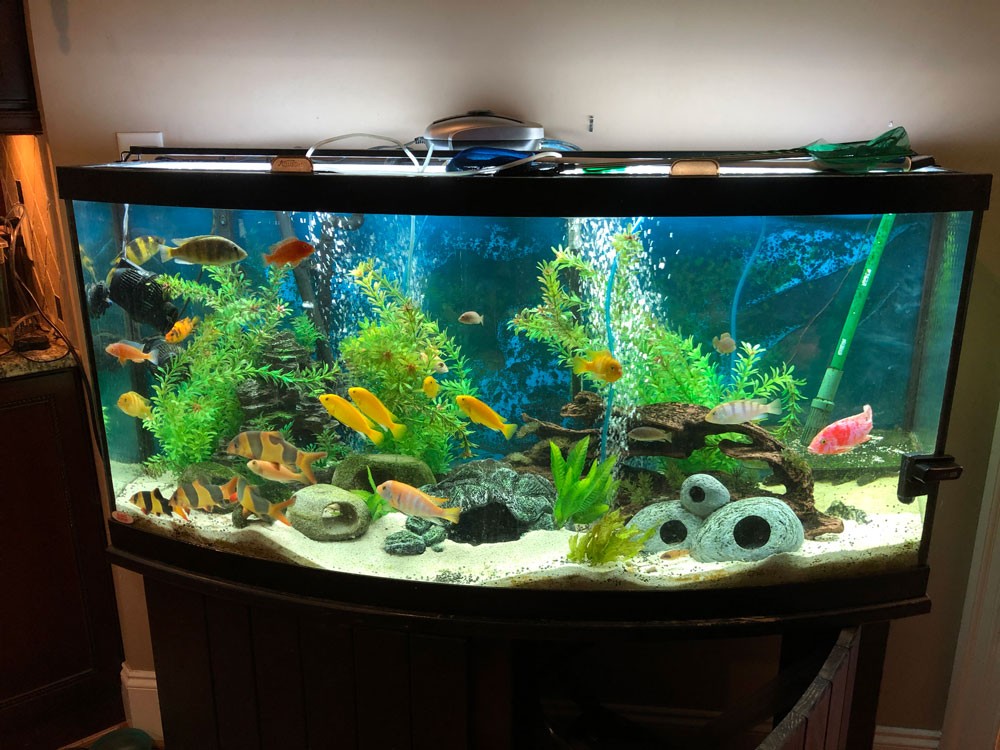
To the untrained eye, it might seem like a simple glass box filled with water, a bit of decor, and a few fish swimming around. But you and I, we're privy to the truth, aren't we?
We understand that an aquarium is an intricate universe, a fascinating web of interconnected elements working together in an exquisite harmony.
Think of an aquarium as an orchestra, each part playing its own unique role, contributing to a grand symphony of life under the sea.
The tank is your concert hall, the substrate and decor form the stage, and the filtration system is the unseen conductor, ensuring every note is hit just right.
The lighting and temperature controls set the mood, and of course, your fish and plants are the star performers, dazzling the audience with their splendid ballet.
It's an ecosystem in miniature, and like any ecosystem, it needs balance. But how do we achieve this? There's an art and science to it, my friend.
A seemingly complex interplay of elements that you, as an aquarium hobbyist, will become adept at managing.
We'll tackle the essentials of aquarium setup, dissecting each element, and revealing their roles in your aquatic paradise.
We'll talk tanks, substrates, filtration systems, testing kits, lighting, heating, and more.
You'll understand how to pick the right tank, the importance of substrate, and the role of filtration in your aquarium.
We'll delve into the significance of testing your aquarium water and how to maintain the perfect temperature for your aquatic buddies.
We'll examine the role of light in your underwater world, and of course, we'll cover the artistic aspect of aquarium setup - aquascaping.
Finally, we'll explore how to choose your aquarium's star inhabitants and maintain your aquatic masterpiece.
Yes, it may sound like a lot. But that's the beauty of it! It's a voyage of discovery, a learning curve that's both informative and delightful.
So, ready to decode the mysteries of the aquarium? Perfect! Let's set sail on this educational journey into the aquatic realm. Onwards, fellow aquarist!
Choosing Your Tank
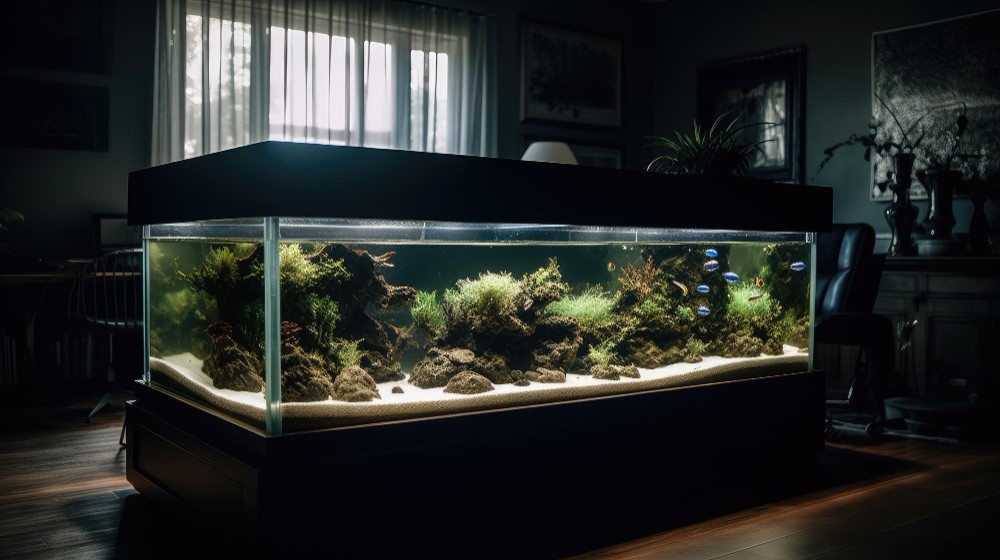
Size Matters: Picking the Right Tank Dimensions
"Size doesn't matter," they say, but here in the aquatic realm, it's a whole different ball game.
When it comes to aquariums, size certainly does matter! Picking the right tank dimensions is the first crucial step in your fish keeping journey. And why is that? Let's dive a little deeper.
Imagine yourself in a cramped room where you can't stretch your legs. It's not too appealing, is it?
The same applies to your future fishy friends. They need room to move, swim, and explore. Space contributes to their overall well-being, their growth, and their happiness.
A larger tank not only provides ample swimming space but also offers greater stability. In this underwater dance, larger aquariums more easily maintain balanced water parameters.
A bigger water volume dilutes waste and toxins, making it more forgiving of minor errors—a bit like a safety net for beginners. In this endeavor, size does indeed provide a gentle buffer against the inevitable learning curve of aquatic mastery.
But does this mean you should rush out and buy the biggest tank you can find?
Not so fast! It's about balance. Consider the space you have available in your home, the type and number of fish you want to keep, and the time you can dedicate to maintenance.
While a large tank might offer stability, it also requires more time and effort to maintain. A smaller tank, on the other hand, might be easier to handle, but it could also be more prone to rapid changes in water conditions.
It's all about finding the middle ground, picking the right tank size that will meet your needs, your fish's needs, and fit into your living space harmoniously.
Choosing the right aquarium size is more than a matter of aesthetic appeal or space management. It's about creating a comfortable and safe environment for your aquatic friends to thrive.
It's your first step towards becoming a responsible aquarist.
So, how do you determine the perfect tank size? Let's discuss it further in the next section. It's a journey of calculations and considerations, a path leading towards the best choice for your underwater family.
Tank Sizes:
Take a look at the tables below, which show you a range of the available tank sizes, as well as the weight of the tank both empty and filled.
SMALL AQUARIUMS | |||
Tank Size | L x W x H | Empty Weight | Filled Weight |
2 1/2 gallon | • 12" x 6" x 8" | 3 lbs | 27 lbs |
5 gallon | • 16" x 8" x 10" | 7 lbs | 62 lbs |
10 gallon | • 20" x 10" x 12" | 11 lbs | 111 lbs |
15 gallon | • 24" x 12" x 12" | 21-22lbs | 170 lbs |
MEDIUM AQUARIUMS | |||
Tank Size | L x W x H | Empty Weight | Filled Weight |
20 gallon | • 24" x 12" x 16" | 25 lbs | 225 lbs |
25 gallon | • 24" x 12" x 20" | 32 lbs | 282 lbs |
28 gallon | • 30″ ×12″ ×18″ | 40 lbs | 330 lbs |
29 gallon | • 30" x 12" x 18" | 40 lbs | 330 lbs |
30 gallon | • 36" x 18" x 12" | 48 lbs | 348 lbs |
38 gallon | • 36-1/4" x 12-5/8" x 19-3/4" | 47 lbs | 427 lbs |
40 gallon | • 36" x 18" x 16" | 55-58 lbs | 455-458 lbs |
LARGE AQUARIUMS | |||
Tank Size | L x W x H | Empty Weight | Filled Weight |
50 gallon | • 36" x 18" x 19" | 100 lbs | 600 lbs |
55 gallon | • 48" x 13" x 21" | 78 lbs | 625 lbs |
60 gallon | • 48-3/8" x 12-7/8" x 23-7/8" | 111 lbs | 710 lbs |
65 gallon | • 36" x 18" x 24" | 126 lbs | 772 lbs |
75 gallon | • 48" x 18" x 21" | 140 lbs | 850 lbs |
90 gallon | • 48" x 18" x 24" | 160 lbs | 1050 lbs |
100 gallon | • 72-1/2" x 18-1/2" x 19-3/8" | 182 lbs | 1150 lbs |
125 gallon | • 72" x 18" x 21 | 206 lbs | 1206 lbs |
150 gallon | • 72" x 18" x 28" | 338 lbs | 1838 lbs |
180 gallon | • 72" x 24" x 25" | 430 lbs | 1870 lbs |
225 gallon | • 72" x 27-1/2" x 27-1/2" | 358 lbs | 2158 lbs |
Material World: Glass vs Acrylic Tanks
Each with their unique qualities, these two contenders are often at the center of an aquarium aficionado's deliberations.
So, which one is right for you? Let's dissect these aquatic battlegrounds and find out.
First up, the classic - the glass tank
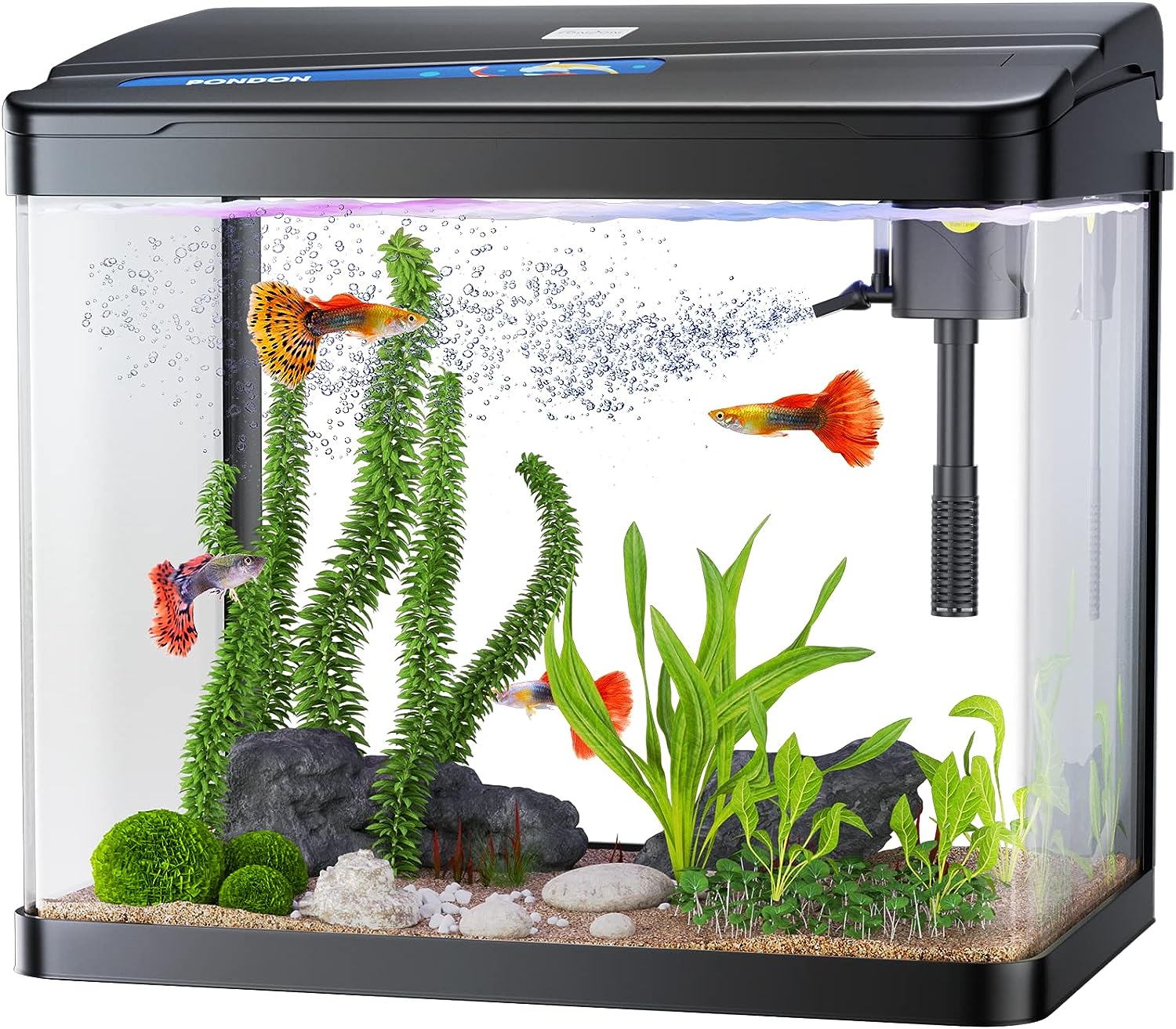
Sturdy, heavy, and with that timeless appeal, glass tanks are the old faithful of aquariums. They're scratch-resistant, a significant plus when cleaning time comes around.
And we can't forget about the cost factor. Glass tanks, especially in smaller sizes, tend to be more budget-friendly than their acrylic counterparts.
But, as with any symphony, there are minor notes. Glass tanks are heavy, making them a tad difficult to move around. They're also more prone to breakage.
A misjudged knock, a careless drop during a move, and you could find yourself with a leaky situation. And, due to their rigid structure, glass tanks are generally limited to rectangular shapes.
Enter the modern player - acrylic tanks
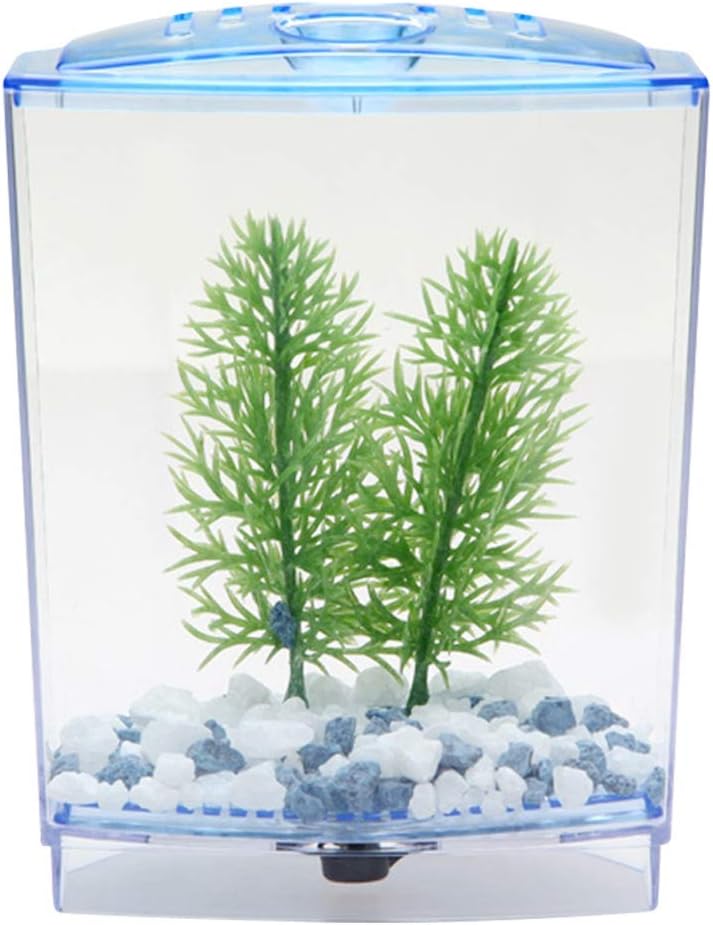
These relative newcomers to the scene are lauded for their lightweight and flexible nature. They're easier to carry and can be molded into various shapes beyond the conventional rectangle, inviting a world of creativity into your living room.
Acrylic tanks also boast superior clarity, giving you a crystal-clear view of your aquatic haven without the greenish tint you often find in thick glass tanks.
Additionally, they're stronger and less prone to breakage than glass.
The downside? Acrylic tanks are more susceptible to scratches. And while lighter, they tend to be more expensive than their glass counterparts, particularly for larger sizes.
Glass or acrylic?
It's a question only you can answer, based on your personal preferences, budget, and specific needs.
Remember, there's no universally "correct" choice. Just like choosing the perfect fish or the right substrate, selecting your tank material is a personal journey.
It's your canvas, your stage for your underwater masterpiece. And the power to choose is wonderfully, exclusively yours.
Selecting the Ideal Substrate
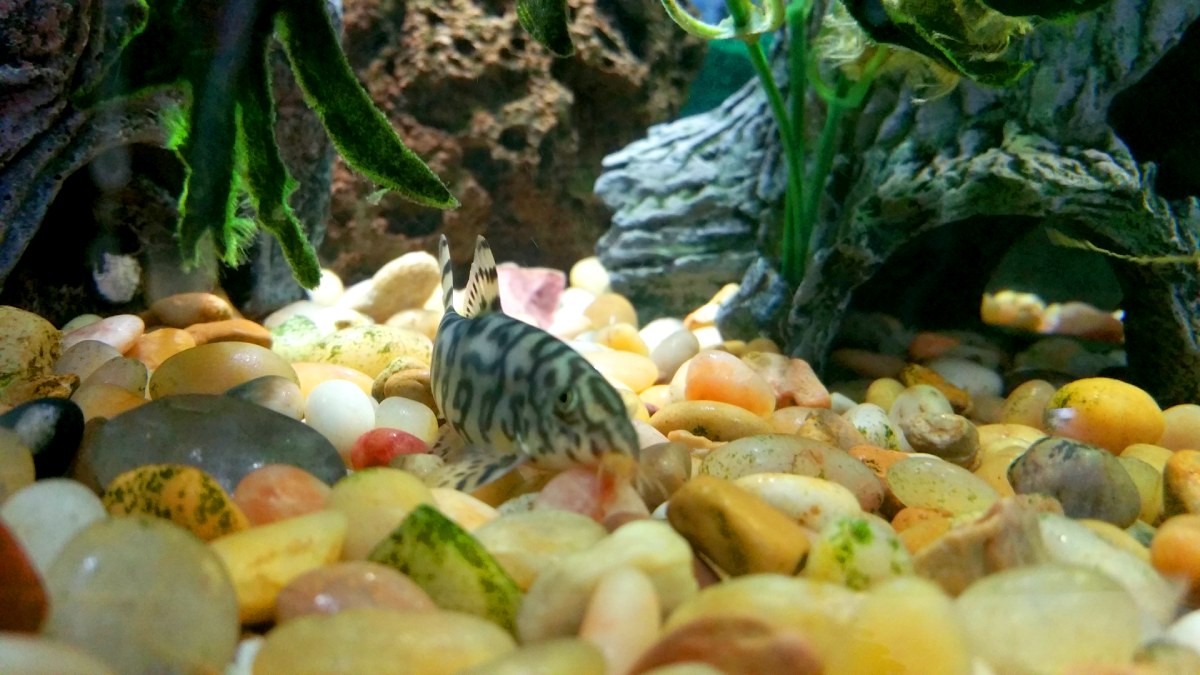
It's time to lay the foundation of your aquatic world. Enter substrates - the unsung heroes of the aquarium. Substrates, you ask?
Simply put, they are the materials you place at the bottom of your tank. They provide the base, the bedrock, the stage upon which your aquatic drama unfolds.
Let's take a look at substrate in more detail.
A Bed for Life: Understanding the Role of Substrate
Prepare to dive beneath the surface, my fellow aquarists! As we embark on this exploration of the aquarium bedrock, let's discuss the crucial role of substrate.
Think of it as the soil in your garden - it's more than just a pretty layer of material. It's a bed for life, a cradle of existence for your underwater world.
One could be forgiven for thinking of substrate as mere decor, a stage for the colorful dance of fish and plants. Yes, it adds a dash of beauty to your aquatic tableau.
But that's just the surface. Beneath this facade, the substrate is a bustling city, a hub of vital activity that can shape the health and vitality of your aquarium.
For starters, substrate acts as the anchor for your plants. It gives their roots a firm grip, a place to burrow, and blossom. In the case of soil, it also provides essential nutrients that foster lush growth.
Substrate also supports the beneficial bacteria that form the biological backbone of your tank. These micro-organisms are the unsung heroes of the aquarium world.
They break down waste, converting harmful ammonia into less toxic substances, contributing to a healthy nitrogen cycle.
Let's not forget our burrowing buddies, the bottom-dwelling species that love to dig and root around. For them, the substrate is more than a base—it's a playground, a hunting ground, a place to call home.
But it's not all roses and rainbows. The substrate can also harbor uneaten food and fish waste, making it a potential hotspot for nitrate buildup.
Regular cleaning and maintenance are vital to prevent this from upsetting the delicate balance of your underwater ecosystem.
Choosing the right substrate, understanding its role, and caring for it are all part of the aquarium hobby's fascinating journey. It's a saga of beauty, biology, and balance, a quest for harmony between aesthetics and ecosystem health.
Types Of Substrate
So what types of substrate can you choose from? Plenty, my friends, plenty!
Sand Substrate

This is the finest type of substrate, almost like the texture of sugar. It's popular in aquariums housing bottom dwellers like Corydoras or Stingrays, as they love to sift through the sand. But remember, fine sand can compact over time and cause 'dead spots' where harmful gases accumulate. Always aerate your sand substrate to avoid this!
Gravel Substrate
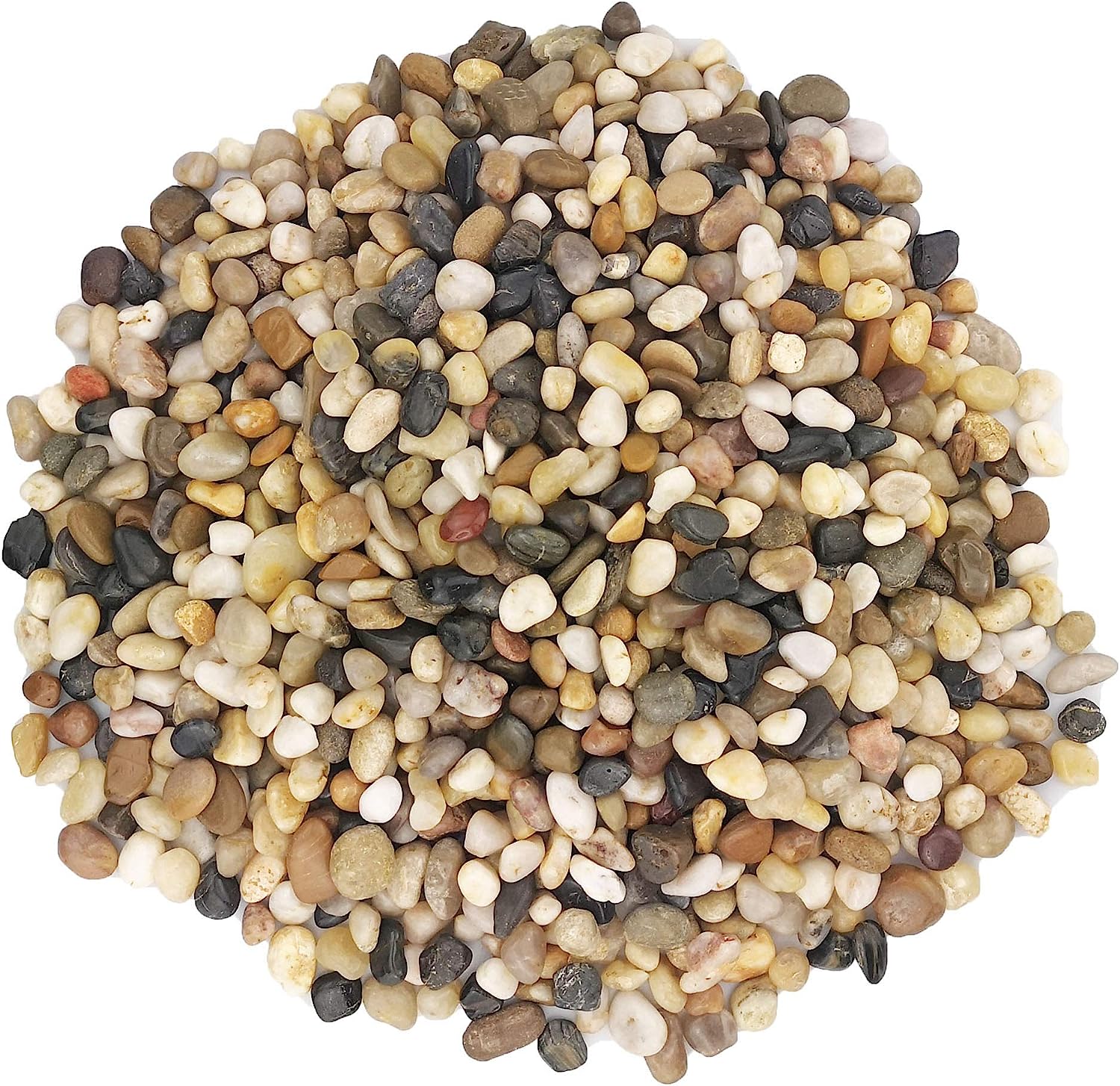
The jack-of-all-trades in the substrate world! Available in various sizes and colors, gravel is an excellent choice for most freshwater tanks. It allows good water flow and is easy to clean. But it's not the best for plant growth as it doesn't hold nutrients well.
Soil Substrate
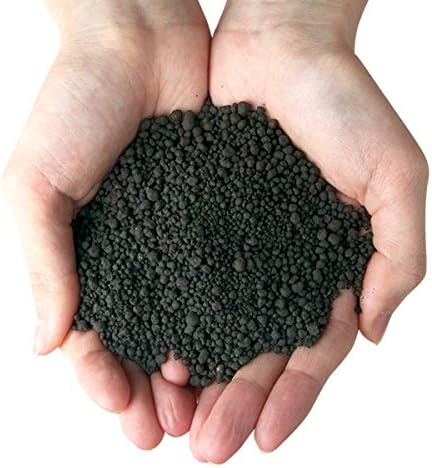
Want a planted aquarium? Soil might be your best bet. Nutrient-rich and perfect for plant roots, soil substrates can help create a lush green paradise. But be wary - they can be messy and may affect water parameters.
Specialty Substrates - These substrates are designed for specific aquarium types. For instance, crushed coral increases water hardness and pH, perfect for African Cichlid tanks. And then there's plant-specific substrates, loaded with nutrients for our green friends.
Just remember: No one substrate fits all. Always choose what's best for your tank's inhabitants.
It's not just about aesthetics - it's about creating a thriving ecosystem. Until next time, keep those fins flapping!"
Understanding Aquarium Filtration
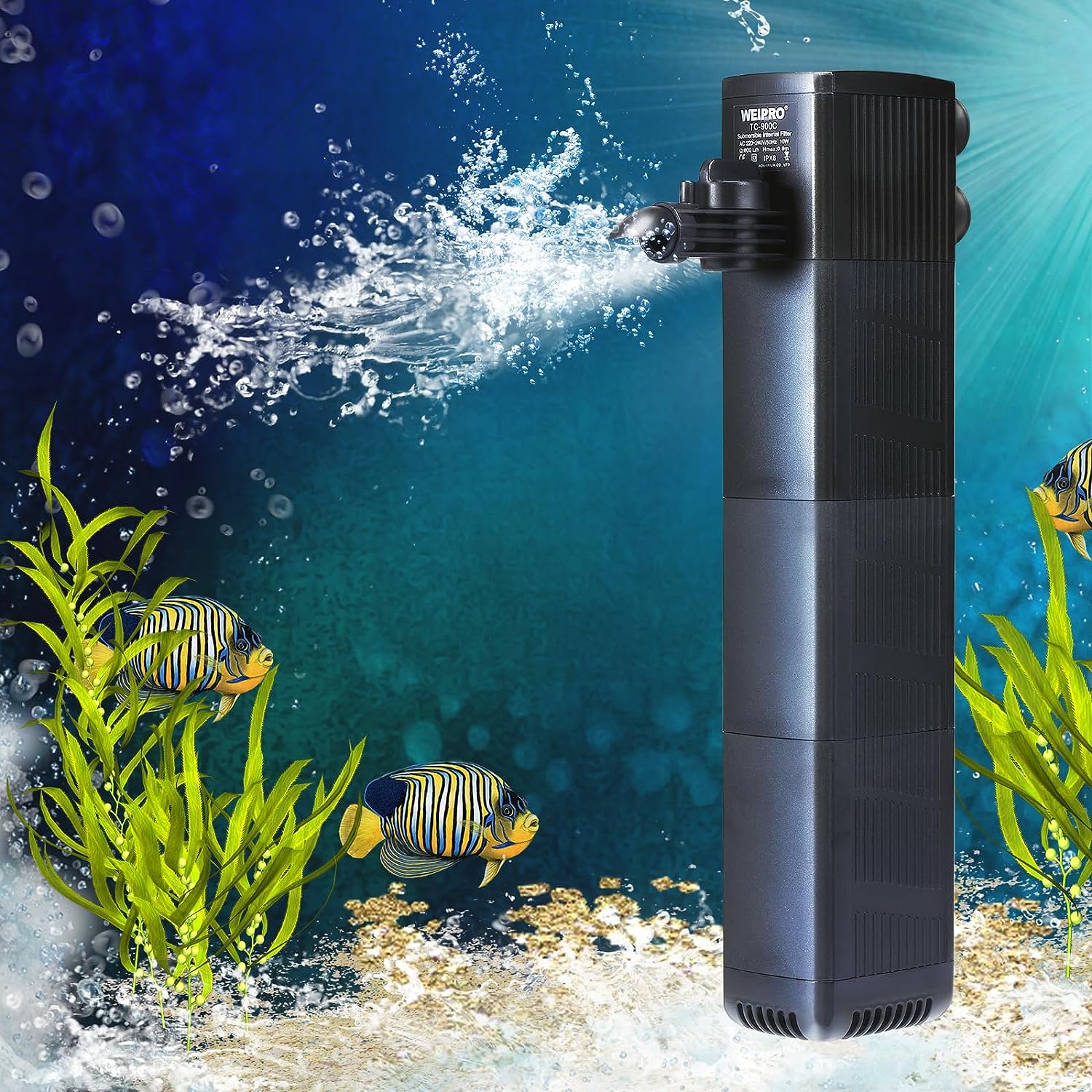
The heart of any thriving aquarium - the filtration system.
You see, an aquarium isn't just a static display. It's a dynamic, living, breathing ecosystem. And for this ecosystem to flourish, we need clean, healthy water. That's where aquarium filtration comes into play.
"But wait, why do I need a filter?" I hear some of you ask. Excellent question! Let me put it this way.
Imagine you're in a room with no windows, doors, or ventilation. Over time, the air gets stuffy, right?
Now imagine you're a fish in a tank. Without a filter, that tank's water can get 'stuffy' too - filled with waste, uneaten food, and potentially harmful chemicals. That doesn't sound like fun, does it?
So, we have established the "why." Now let's delve into the "how." In essence, an aquarium filter cleans your tank's water in three ways: mechanical, biological, and chemical filtration.
Each method has a unique role, working in concert to keep your underwater paradise pristine.
"But how do I choose the right filter?" Well, that depends on various factors: the size of your tank, the type of inhabitants, and your specific needs.
There's a cornucopia of filters available in the market, from sponge filters and hang-on-back filters to canister filters and beyond.
Remember, understanding filtration isn't just about equipment. It's about recognizing the delicate balance of life in your aquarium and helping maintain it. It's about ensuring your fishy friends and plant buddies have a clean, healthy home.
Let's take a look in more detail below at the types of filtration.
Types Of Filtration
Ladies and Gentlemen, it's time to meet the heavy hitters of the aquarium world, the power trio that keeps your tank clean and your aquatic creatures gleaming with health.
Enter Mechanical, Biological, and Chemical filtration - the three musketeers of aquarium cleanliness.
Mechanical filtration
First up, the brawny backbone of the team - Mechanical filtration. It's like the sturdy goalkeeper in a soccer game, blocking the larger particles from going any further.
This filter physically strains out visible dirt such as uneaten food, fish waste, and plant debris. It's not the most glamorous job, but boy, is it vital!
Mechanical filtration provides the first line of defense, ensuring that your tank doesn't look like a fishy version of a garbage dump.
But remember, a clogged mechanical filter is about as useful as a chocolate teapot. Regular cleaning or replacement is key to keep this goalie in top shape!
Biological filtration
Now, let's move on to the microbiological marvel - Biological filtration. While mechanical filtration handles the big stuff, biological filtration deals with the unseen enemies - the harmful ammonia and nitrites that can wreak havoc in your tank.
How, you ask? Well, through a nifty process called the nitrogen cycle.
Beneficial bacteria living in your filter media convert harmful ammonia, produced from fish waste and decomposing organic matter, into nitrites and then into relatively harmless nitrates.
Think of these bacteria as the unsung heroes, silently safeguarding your aquatic buddies.
Chemical filtration
Lastly, we have the chemical wizard - Chemical filtration. This isn't always necessary but can be a lifesaver in specific scenarios.
Using activated carbon or other resins, chemical filtration pulls out various impurities from the water that mechanical and biological filters can't handle.
It's like the magic eraser of your aquarium, removing medications, discoloration, and even odors. However, one must wield this magic with care.
Overuse can strip the water of essential nutrients, disrupting the delicate balance of your aquatic realm.
There you have it, folks, the fantastic filtration trio working tirelessly in concert, each with their unique role.
Together, they ensure your underwater world remains a healthy, thriving, and inviting place for all its inhabitants.
Testing the Waters: The Importance of Aquarium Test Kits

Water testing might sound like a high school chemistry class you'd rather skip. But believe me when I say, mastering this science is a true game-changer for your aquarium adventure.
Just picture this for a moment. You've built a dreamy underwater home, a thriving world of swirling colors and intriguing creatures.
Everything seems perfect, but suddenly your fish begin acting strange. They're listless, refusing to eat, or showing signs of disease. Panic ensues. What's wrong? What did I do?
Often, the answer lies hidden in the water. Your aquarium water is more than just H2O. It's a complex cocktail of dissolved minerals, gases, and organic compounds.
Too much or too little of anything can stress your fish, making them susceptible to diseases and, in worst cases, even leading to fatalities.
Enter, Aquarium Test Kits. Like a seasoned detective, a test kit uncovers the invisible, whispering secrets about your water quality.
It measures key parameters like pH, ammonia, nitrite, nitrate, and sometimes even general hardness and carbonate hardness.
Why is this important? Because each fish species has its own 'Goldilocks' range for these parameters – conditions that are 'just right' for their health and well-being.
An Aquarium Test Kit helps you maintain these ideal conditions, ensuring your fishy friends don't just survive, but thrive!
In essence, testing your water is like giving your aquarium a regular health check-up. And the best part? You don't need a PhD to use a test kit!
With a little practice, you'll soon be testing like a pro, nipping potential problems in the bud before they can bloom into disasters.
Remember, your fish can't communicate with words. But with a test kit in hand, you can hear their silent pleas and respond appropriately. Trust me, this is one aquarium tool that's worth its weight in gold!
Let's dive deeper into the types of test kits in the next section.
The Role of the Ammonia Test Kit
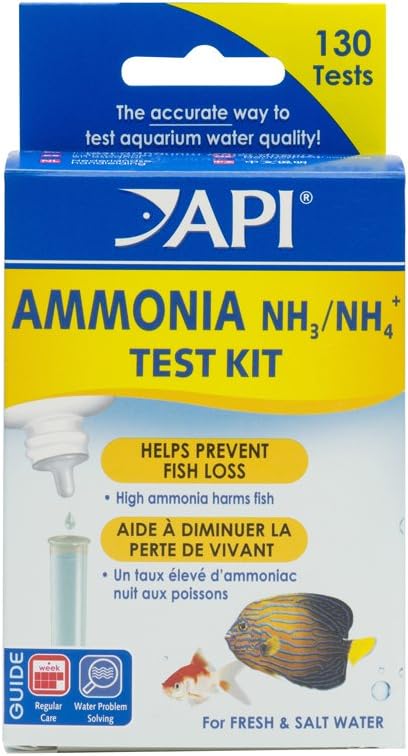
Ammonia. It's a word that might bring back memories of your old chemistry class or perhaps, the pungent smell from certain cleaning products.
In the fishy world, though, it spells a different story - one that can be a matter of life or death for your aquatic pets.
You see, dear readers, our underwater friends are constantly on a treadmill of sorts, eating and then, inevitably, excreting. This process, while completely natural, produces waste in the form of ammonia.
Left unchecked, ammonia levels can skyrocket, turning your dreamy underwater haven into a silent nightmare.
Scary, isn't it? But fear not! This is precisely where an Ammonia Test Kit swoops in, like a hero from a comic book, to save the day!
So, why is this tiny superhero so important? Well, ammonia is toxic to fish, even at low levels. It can damage their gills, leading to breathing difficulties, stress, and eventually, if the situation doesn't improve, death.
No, that's not an exaggeration. Ammonia is the silent Grim Reaper of the aquatic world.
An Ammonia Test Kit allows you to monitor these invisible but deadly levels regularly. The kit works in a straightforward manner, providing color-coded results for easy interpretation.
You add the water sample, follow the kit instructions, and voila! You have your ammonia levels right before your eyes.
Armed with this information, you can take action if the levels are dangerously high. Maybe your tank is overstocked, or your filtration needs upgrading.
Maybe you need to reduce feeding or conduct more frequent water changes. The point is, you know what's going on, and you can intervene before it's too late.
The Silent Killer: Why Nitrite Testing is Crucial
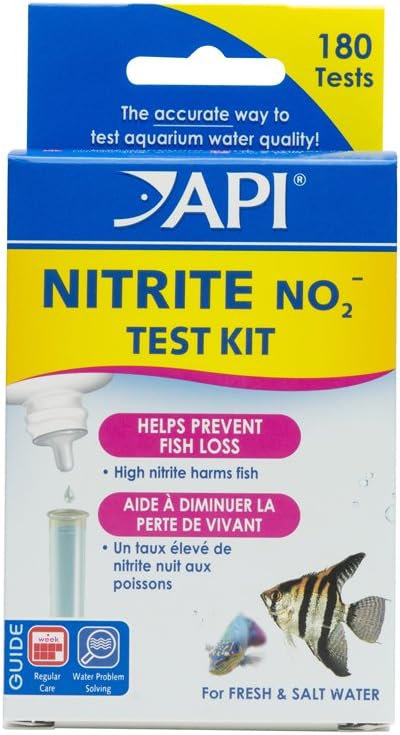
Meet Nitrite - the silent, sinister companion of ammonia.
You see, in a healthy aquarium, beneficial bacteria (our tiny unseen allies) convert deadly ammonia into nitrites. "Great!" you might say, "Problem solved!" But hold on, not so fast.
While less toxic than ammonia, nitrites are still harmful to fish. Like an unseen ghost, nitrite levels can creep up unnoticed, slowly but surely wreaking havoc among your finned friends.
This is where Nitrite Testing, the unsung hero of our aquarium story, steps onto the stage. It’s not glamorous, I agree, but oh-so-vital.
With a Nitrite Test Kit, you can detect these potentially lethal levels before they cause irreparable harm.
But what does nitrite do, exactly? High nitrite levels can inhibit a fish's ability to transport oxygen, leading to the ominous condition known as "Brown Blood Disease".
The symptoms? Gasping at the surface, lethargy, loss of appetite, and in severe cases, death. A grim picture, indeed.
Now, don't lose heart, fellow aquarists. Remember, knowledge is power. By regularly testing your water for nitrites, you can spot the red flags early.
If the nitrite levels are rising, it's a sign. A sign that you need to take action, be it adjusting your filtration system, reducing feeding, increasing water changes, or even adding beneficial bacteria to your tank.
Think of Nitrite Testing as your insurance policy. It won’t prevent problems, but it'll alert you when they're looming, giving you a fighting chance to set things right.
So let's arm ourselves with our Nitrite Test Kits, ready to face this silent killer.
Finding Balance: The Role of pH in Your Aquarium
Dive into the aquatics lingo, and pH won't be a stranger. It stands for 'potential of hydrogen' and, in simple terms, refers to the acidity or alkalinity of your aquarium water.
It's measured on a scale from 0 to 14, with 7 being neutral. Lower than 7 means acidic; higher than 7 denotes alkalinity.
But why, you ask, does this scientific jargon matter to you as an aquarist? Well, because each fish species has its preferred pH range. And straying too far from this comfort zone can spell disaster.
Fluctuating pH levels can cause stress, reduce immunity, and lead to disease. In extreme cases, it can even be fatal. Yup, as unassuming as it sounds, pH is a silent influencer in the underwater realm.
But fret not, fellow fish enthusiasts! Just as we've got test kits for ammonia and nitrites, we have handy pH Test Kits too. These nifty tools help you keep a finger on the pulse of your tank's pH levels.
What's fantastic is that using them is as easy as pie. Dip the test strip into the water, wait for a bit, and then match the color on the strip to the provided chart. And voila! You've got your pH reading.
If the levels are out of whack, don't panic. There are several ways to tweak them. You can use products designed to adjust pH or, for a natural approach, consider using peat moss for acidity or crushed coral for alkalinity.
But remember, a steady pH is often better than a perfect one. Sudden changes can be more harmful than slightly off-the-mark levels. So be patient and make adjustments gradually.
Aquarium Lighting
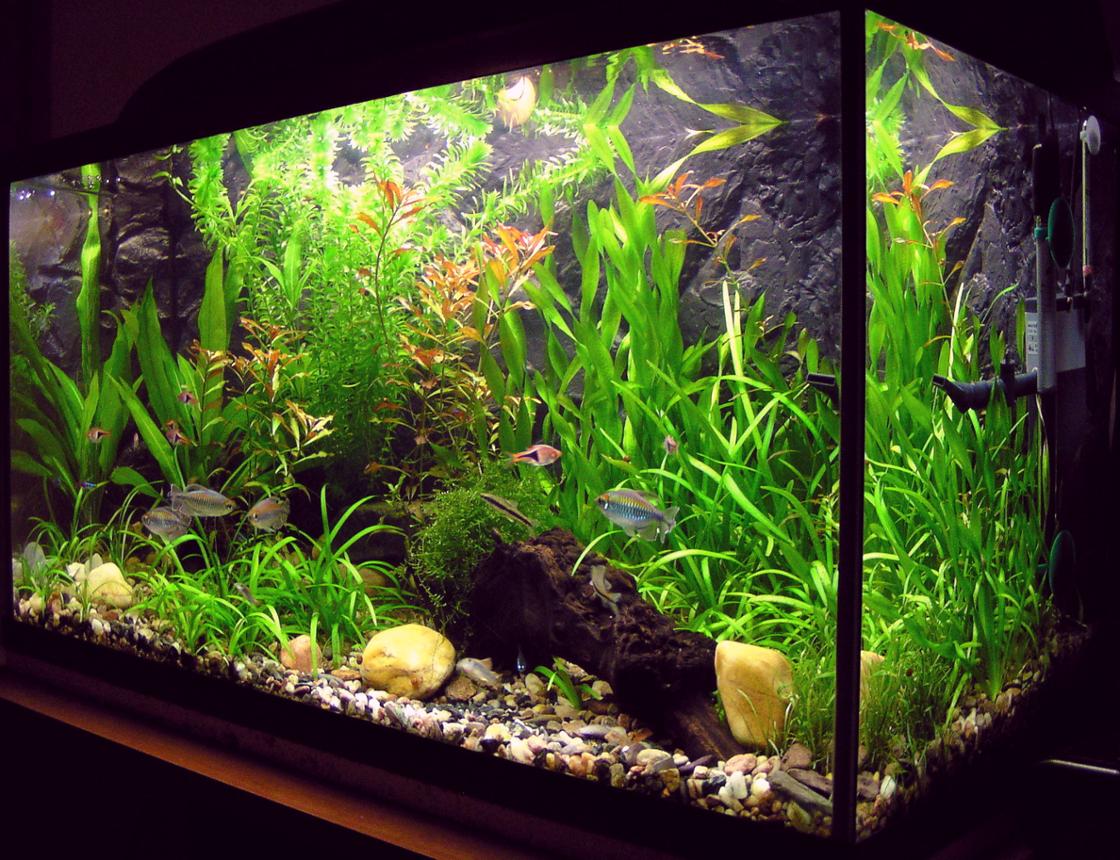
The first thing you need to know is that lighting isn't merely for us to see our beautiful aquatic friends better, though that's a definite perk!
No, my dear fellow fish keepers, aquarium lighting wears many hats.
It helps our aquatic plants photosynthesize, it affects the behaviors and biological rhythms of our fish, and, not to forget, it transforms an ordinary tank into a mesmerizing display of aquatic artistry.
Much like a conductor leading an orchestra, your choice of lighting sets the tone for your aquarium's entire performance.
Pick a harsh, inappropriate light, and the result is stressed fish and dying plants. But opt for the right kind, and you witness a symphony of healthy fish, thriving plants, and vivid colors.
Bear in mind that too much of a good thing can turn bad. Excessive light can lead to algal blooms that we certainly don't want. It's about balance, much like our earlier chat about pH.
Different Types of Aquarium Lights
Let's venture into the dazzling universe of aquarium lights and find out which one will make your tank stars shine brightest.
LEDs

They're efficient, they're versatile, and they're here to stay. LEDs, or Light Emitting Diodes, are the rising stars of the aquarium lighting world. With a spectacular range of colors, adjustable intensity, and longevity that outshines other types, LEDs can handle it all - from lighting up your neon tetras to nourishing your plants. Plus, they are energy savers. Talk about a win-win!
Fluorescent Bulbs

Ah, the tried and true. Fluorescent lights have long been the go-to for many aquarists. Available in different colors and intensities, they work well for most freshwater setups and are kind to your wallet. But remember, they need to be replaced yearly, even if they're still glowing, to provide your plants the light spectrum they need.
Metal Halides
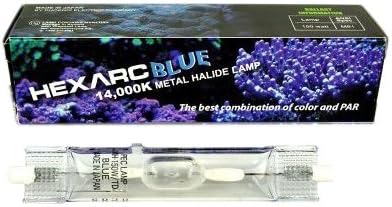
Need to illuminate a deep reef tank? Bring in the heavy artillery - the metal halides. These guys pack a punch, offering intense light that can penetrate deep waters. Be warned, though. They can heat up your aquarium and hike up your energy bill. Use with care and, preferably, with a chiller.
T5 HO Fluorescent

Here's a lovely compromise between fluorescent and metal halides. T5 HO, or High Output, lights offer brilliant light and a good color range without as much heat or energy usage. Ideal for larger, planted tanks or reef systems.
Remember, it's not just about aesthetics. It's about mimicking the natural light cycles your fish and plants are used to.
This means timers can be your best friend. And let's not forget about the dark – every star needs its beauty sleep, after all! Happy lighting!
The Role of Lighting in Aquascaping
Let's dive in and explore how the magic of lighting can elevate your aquascape.
It starts with understanding. Each beam of light, each ray that filters through the water, carries with it an opportunity.
An opportunity to highlight, to create depth, to shape your underwater world.
- Intensity: A bright, gleaming tank may pop at first sight, but it's the subtle interplay of light and shadow that creates depth. Lower intensities at the edges, highlighting the center, can create a stunning sense of depth and perspective. Intensity isn't just about brightness. It's about drama.
- Color Temperature: If your aquarium were a painting, color temperature would be your palette. With a warmer temperature, your tank can radiate with the glow of a tropical sunset, with reds, yellows, and oranges coming to the fore. Swing towards cooler temperatures, and your tank becomes a tranquil, moonlit marine landscape, with blues and purples taking center stage.
- Placement: Just like stage lighting, the angle and placement of your aquarium lights can drastically alter the mood. Front lighting can make colors vibrant and intense, while backlighting can give a dreamy, ethereal quality to your aquascape. Play around, and discover what works best for your specific setup.
- Timing: Aquascaping isn’t just a still image. It’s a live show, changing from day to night. Your plants, your fish, they all have their rhythms, their routines. Mimic a natural day-night cycle with your lighting to keep your underwater denizens happy and your aquascape dynamic.
Heating Your Aquarium
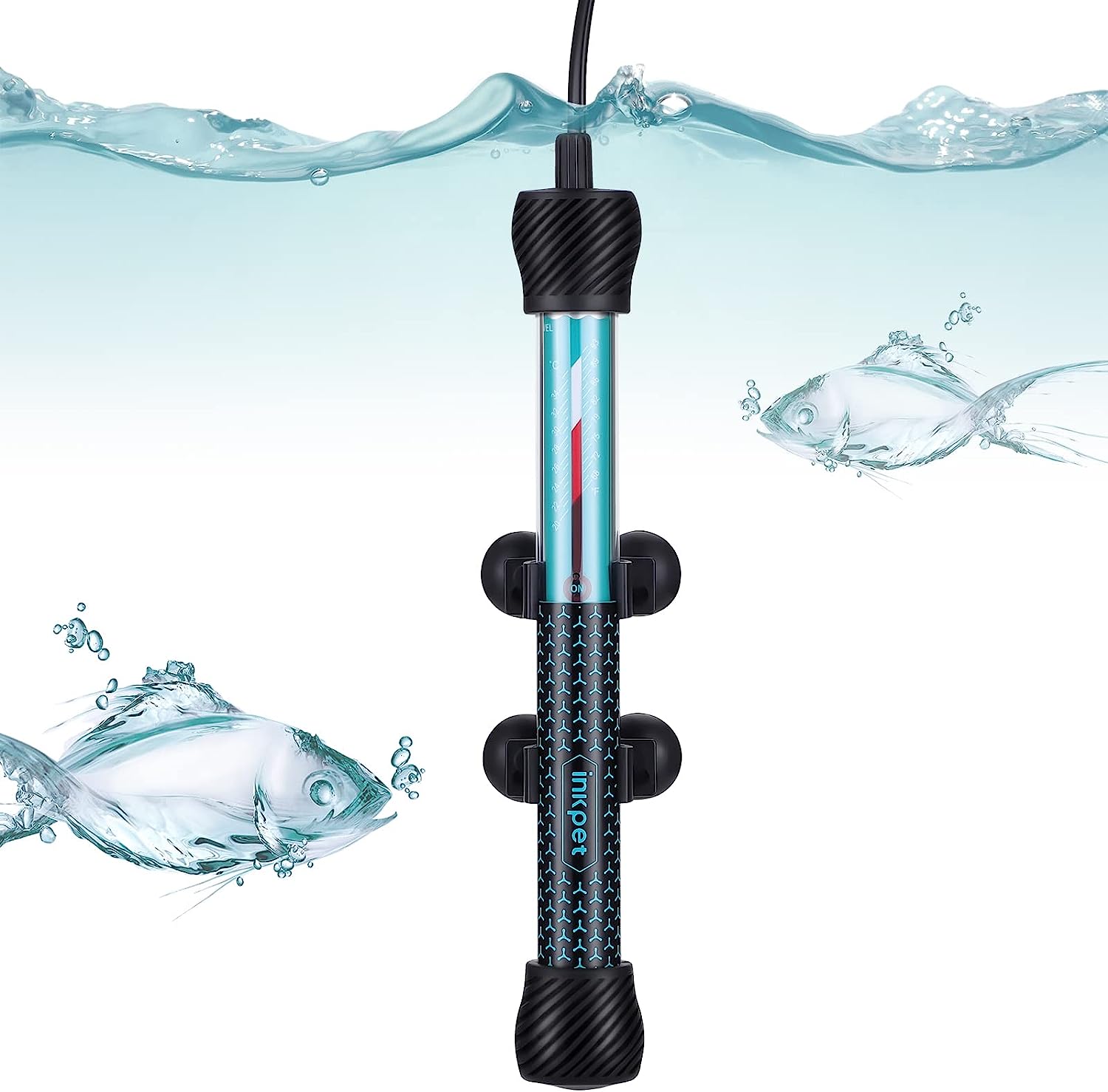
With a flourish of warmth, we dive into one of the most crucial components of aquarium-keeping – temperature!
Like that first sip of perfectly brewed coffee or that blissful splash of a warm bath after a chilly day, your fish also appreciate the comfort of 'just right'.
Let's navigate the waters of maintaining aquarium temperatures.
Ah, imagine being a tropical fish! A creature born in balmy waters, accustomed to a delightful dance between warmth and stability. It's more than comfort – it's survival.
Picture this – your aquarium isn't just a box of water, it's a thermal haven, a patch of warm ocean, a slice of a sun-kissed river.
Here's the thing - temperature affects everything: fish metabolism, growth, immunity, behavior, and even the aquarium’s biological balance. This is no haphazard game; it's a delicate balance, a science, an art.
- The Goldilocks Principle: Just like the famous porridge conundrum, your aquarium needs to hit the sweet spot between too hot and too cold. Each fish species has its range, so research is your ally here! No guesswork, just good old facts.
- Thermal Consistency: It's not just about hitting the right temperature, but maintaining it. Imagine if your cozy living room suddenly became a freezer or a furnace. Unpleasant, right? Same for our finned friends. Sudden temperature shifts? Big no-no.
- Tools of the Trade: Get acquainted with aquarium heaters and thermostats. They're not just equipment, but lifelines for your aquatic pets. With them, you hold the reins of your aquarium's thermal environment.
- Thermometer, Your Trusty Sidekick: Never underestimate the power of a simple tool. Your thermometer is your aquarium’s pulse, a window into your underwater world’s health. It’s not just numbers on a scale but a lifeline for your fish.
- Emergency Measures: Power outage? Heater malfunction? Be prepared with backup heating options and emergency plans. In the world of aquarium-keeping, temperature isn't a mere convenience, it's a necessity.
Take charge of your aquarium's climate. Turn up the heat, but do it right. Steady as she goes.
Not too hot, not too cold, but 'just right'. Your fish will thank you for it, with vibrant colors, robust health, and energetic displays.
Choosing the Right Aquarium Thermometer
Let's start with a basic principle: accuracy matters. A degree here or there might seem inconsequential, but remember our finned friends are delicate beings.
They require their conditions not just right but precisely right. A high-quality, reliable thermometer isn't just a tool, it's a lifeline for your underwater world.
Stick-On Thermometers

Consider stick-on thermometers - simple, easy to read, and a popular choice. However, their position on the outside of the tank might lead to inaccuracies due to ambient room temperature.
That's not to say they're not useful. In fact, they make a great secondary check!
Submersible and Floating Thermometers
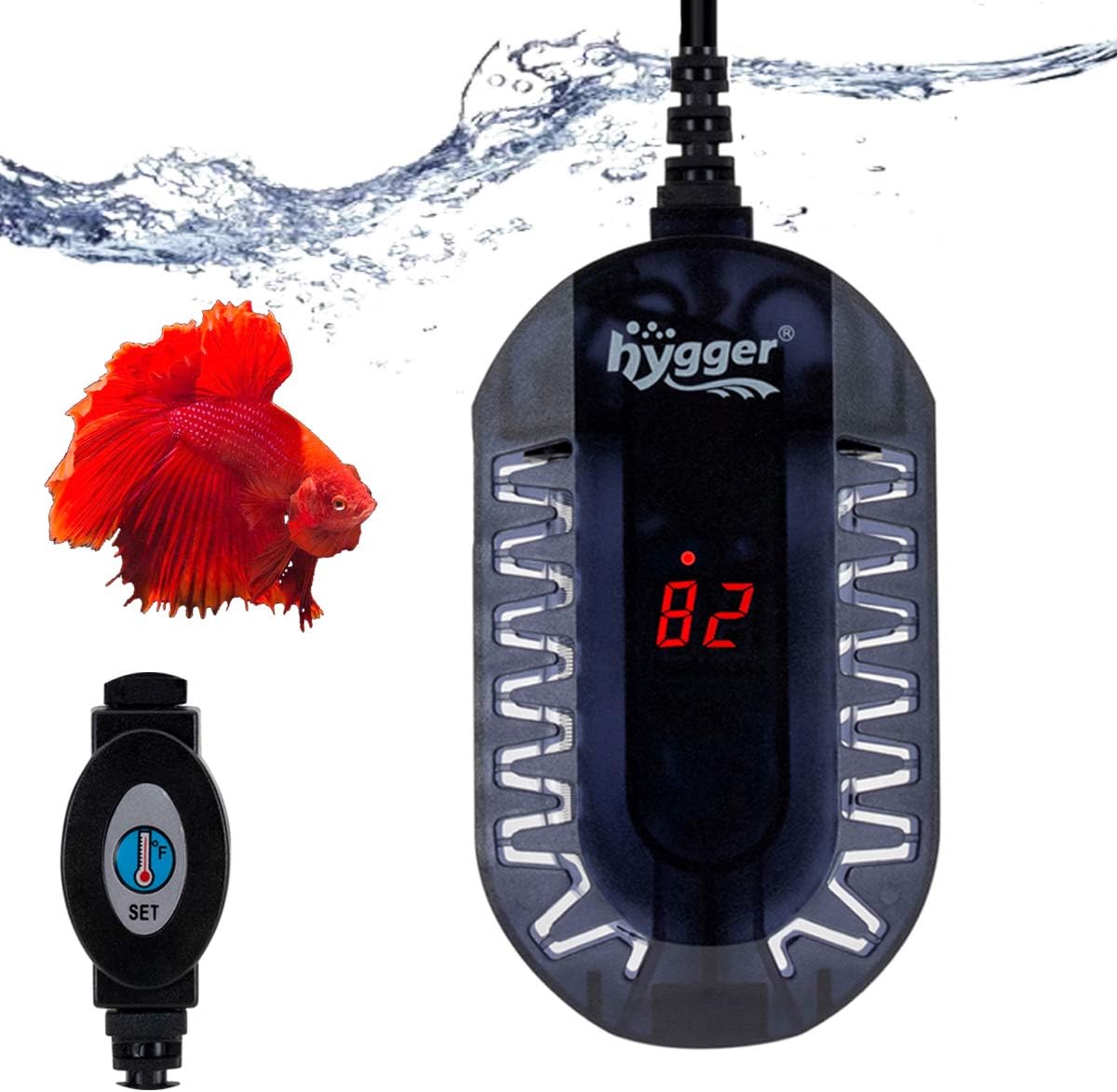
Submersible and floating thermometers, on the other hand, dive right into the action. They're a bit like submarine captains, giving you a direct reading from beneath the waves.
These can be spot on, but remember to position them away from heaters or chillers to avoid skewed readings.
Digital Thermometers
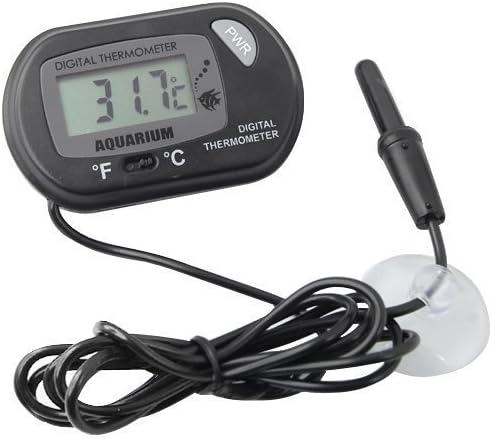
Digital thermometers, our high-tech heroes, are known for their precision. With a probe placed inside the tank and a digital readout on the outside, they offer real-time temperature tracking.
Just make sure to regularly check the battery, wouldn't want our heroes running out of power!
Remember, each choice you make isn’t just about maintaining a tank; it’s about nurturing a thriving, healthy underwater utopia.
An Introduction to Aquascaping

In the simplest terms, aquascaping is the art of arranging plants, rocks, driftwood, and other elements in an aesthetically pleasing manner within an aquarium.
Think of it as an ecosystem in miniature, a living painting, a tiny snippet of the wild nestled right there on your living room table.
It's a space that not only houses your finned friends but also transports onlookers to the serenity of the underwater world.
So, why should you, the proud aquarium owner, consider aquascaping? Well, the answer is simple and complex all at once. You see, aquascaping is not just a design task, it's an exercise in understanding and empathy.
Every rock you place, every plant you carefully position, influences the health and happiness of your aquatic inhabitants.
It's a chance to create an environment that caters to the needs and behaviors of your fish while mirroring the splendor of their natural habitats.
But wait! Don't rush off to grab your plants and stones just yet! Creating an ideal aquascape requires knowledge, planning, and a good deal of creativity.
Will you model your design on a lush forest, a serene lake bed, or perhaps the dramatic slopes of a mountain range?
Each design choice, from the choice of substrate to the strategic placement of hiding spots, has a purpose.
It's a world where aesthetics and functionality dance in a delicate balance, each one enhancing the other.
The fascinating part is that no two aquascapes are alike. Each is a testament to the unique vision of the aquarist, a little piece of their soul reflected in the tranquil water of their tank.
The Rule of Thirds: Basic Aquascape Layout Guidelines
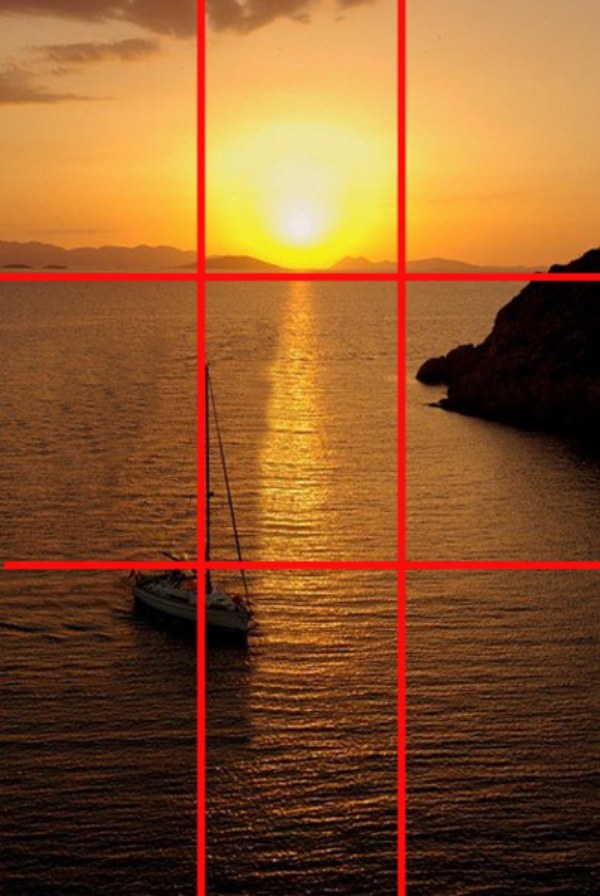
Ever looked at a professional aquascape and wondered, "How do they make it look so natural, so balanced, yet so captivating?" The secret, my friends, lies in understanding a basic design principle – the Rule of Thirds.
In essence, the Rule of Thirds is a guideline that artists use to create balanced, appealing compositions.
Picture your aquarium divided into nine equal parts by two equally-spaced horizontal lines and two equally-spaced vertical lines, creating a 3x3 grid.
The points where these lines intersect are your points of interest. That's where the magic happens!
Why the Rule of Thirds? It's all about balance and harmony. You see, our brains are a tad rebellious.
They find perfect symmetry boring, too predictable. But chaos? Oh no, we can't handle too much of that either!
The Rule of Thirds is like the Goldilocks of layout guidelines - not too symmetrical, not too chaotic, just right.
Let's put it in practice, shall we?
When designing your aquascape, consider placing your primary rock, plant, or other significant features near one of these intersection points.
This immediately draws the viewer's eye, inviting them to appreciate the detail and beauty of these elements.
In the world of aquascaping, we often call these focal points. Here, you might position a charismatic piece of driftwood, a towering rock, or a cluster of brightly colored plants.
These are your stars, the divas of your underwater performance.
But what about the rest of the stage? That's where your supporting actors come in. Use the remaining space to complement and enhance your focal points, creating a sense of depth, harmony, and natural rhythm.
Think soft swaying plants, a subtle slope of the substrate, or a strategic shadow cast by a rock formation.
Remember, though, the Rule of Thirds is a guideline, not a strict rule. Don't be afraid to play around, experiment, and let your creativity run wild.
Stone, Wood, and Water: Choosing Aquascape Materials
Let's talk building blocks, the raw materials of your dreamscape. Here's where the solid meets the fluid, where the organic clashes with the inorganic, in a captivating ballet of underwater design.
Stone
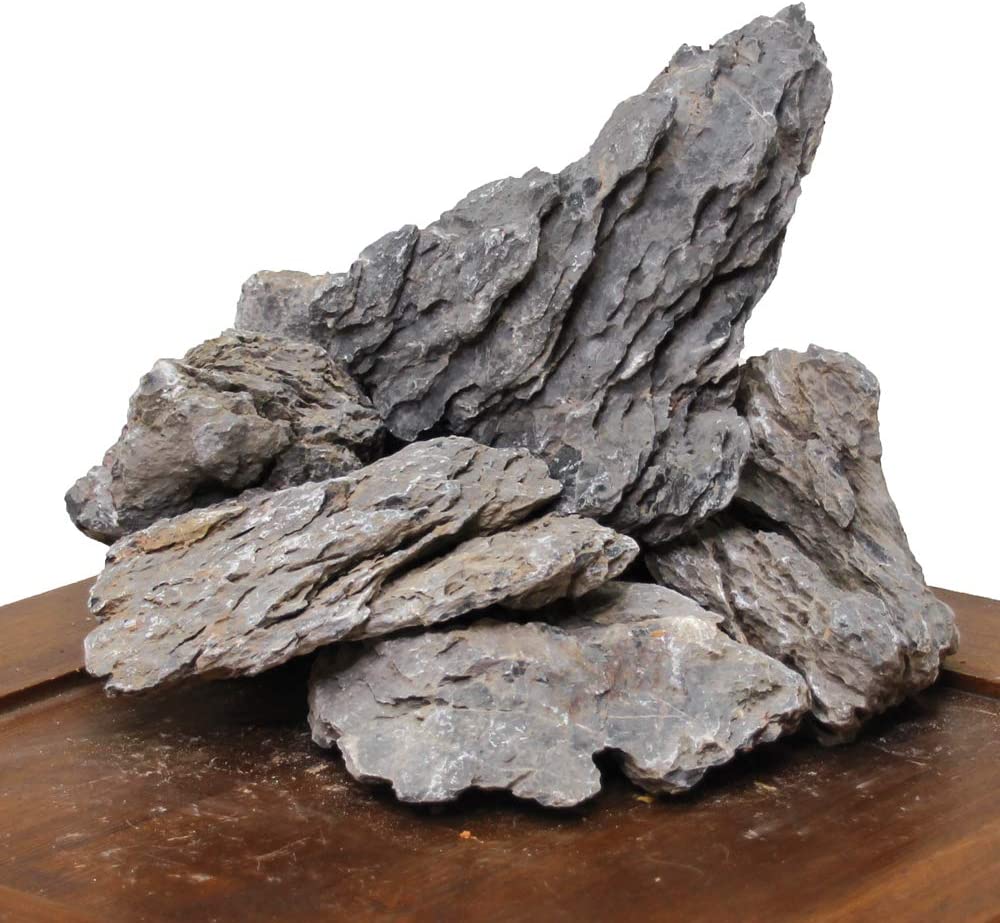
First off, stone! Ah, the stalwarts of the aquascape. They provide structure, resilience, and a sense of enduring permanence.
There are as many types of aquascaping stones as there are stars in the sky (well, maybe not quite that many, but close!).
Seiryu stones with their rugged charm, lava rocks with their textured intrigue, dragon stones with their jagged drama. Each has its own personality, its own tale to tell, its own role to play in your masterpiece.
Driftwood

But stones aren't the only stars here. Enter stage right, wood. Driftwood, to be precise. The silent song of a river's journey, captured in the gnarled, twisted forms of Bogwood, Manzanita, or Spiderwood.
They lend your aquascape an organic, dynamic element, a touch of the wild. Just remember to pre-soak your driftwood to prevent it from floating around like a lost ship!
Water
And what about water? Yes, even water has its variations. Freshwater or saltwater, each plays host to different kinds of flora and fauna, each requires different care, each tells a different story.
Then, of course, there's the question of water hardness and pH - but that's a tale for another day.
Choosing the right materials is crucial. It's like casting the characters for your aquascaping story. But remember, these aren't just lifeless props.
Stones affect water hardness, woods release tannins, water chemistry dictates what lives and thrives. This isn't just art. It's a living, breathing, dynamic system.
Now comes the fun part. Mix and match. Experiment. Dare to combine the rough with the smooth, the light with the dark, the delicate with the bold. Create contrasts, build harmonies, tell a story. Your story.
Selecting Fish and Plants
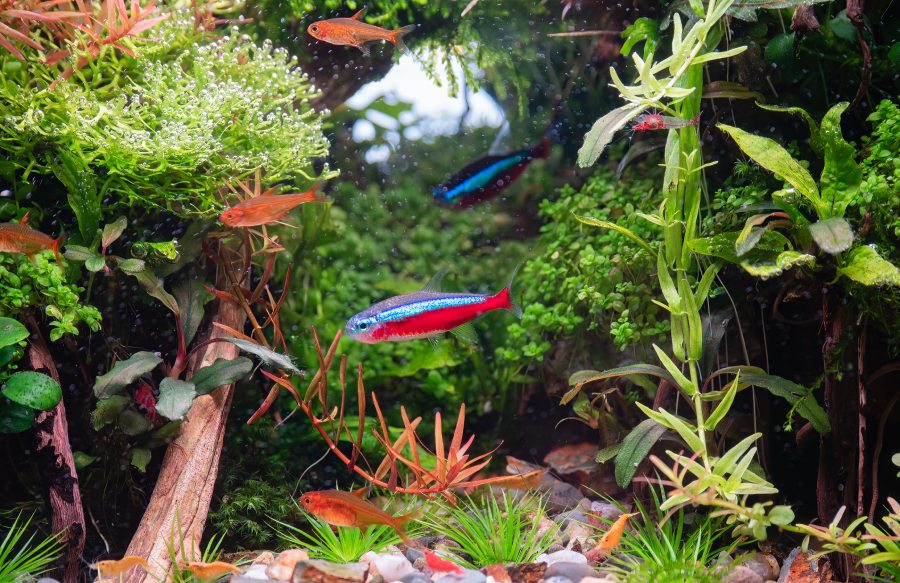
Let's meet our cast - the swimmers, the floaters, the rooted and the radiant.
You start with the flyers, the nimble aerialists of your underwater circus. The fish. But not just any fish. The right fish.
The ones that fit your aquarium's size, water conditions, and the temperament of your other finned friends. Like choosing roommates, compatibility is key.
From the glittering guppies with their rainbow flair to the majestic angelfish, embodying an elegance and poise that would put any ballerina to shame.
Then there are the cleaning crew, those unsung heroes - the Corydoras and the Otocinclus, always ready to roll up their sleeves and help keep your aquarium tidy.
And let's not forget the gentle giants, like the graceful Koi, commanding the stage with their presence, best suited to larger aquatic playgrounds.
Next in the spotlight, the rooted. The plants. Silent, still, yet oh-so-vital.
They're the set designers, the backdrop against which your fishy drama unfolds. From the tall, waving fronds of Vallisneria, like an underwater wheat field, to the carpet-like spread of dwarf hairgrass, creating a lush green pasture under the sea.
Each plant has its own care needs, its own light demands, its own starring role in your aquarium ecosystem.
Finally, the cameo roles. Snails, shrimp, even frogs can be delightful additions, offering a dash of diversity, a sprinkle of surprise. Ever seen a Ghost Shrimp flit across your field of view? It's like catching a glimpse of a sprite in a fairy tale!
Choosing your cast is a process of careful selection, a delicate balance of science and aesthetics. Research, understand, anticipate. Remember, your aquarium isn't just a stage - it's a habitat, a miniature world that depends on your choices.
Types Of Fish
Popular freshwater fish:
Popular saltwater fish:
Compatibility is Key: Matching Fish Species
Compatibility isn't just a buzzword. It's a mantra, a guiding principle, a lifestyle! When picking your cast of characters, you've got to consider more than just their flashy colors or graceful swimming.
Each species has its own quirks, its own needs, its own...well, personality. And mixing the wrong personalities? That's a recipe for disaster, or at the very least, a grumpy guppy.
Consider the Betta, the diva of the freshwater world. Gorgeous, undeniably, but not exactly a team player. Put them with another of their kind, and you've got a rival scene straight out of a soap opera.
Similarly, Cichlids can be territorial, and might not take kindly to anyone invading their 'space'.
On the flip side, you have the Tetras, the ensemble cast, if you will. They thrive in groups, their synchronized swimming creating a visual spectacle akin to a ballet performance.
Neon Tetras, Cardinal Tetras, they're happiest when they've got buddies to swim with.
Also think about dietary needs. Like a backstage rider, some species have very specific demands.
The vegetarian Otocinclus won't compete with your meat-loving Plecos for food, making them a great match!
Size matters, too. You don't want your petite Rasboras to live in constant fear of their much larger Oscar neighbors.
And let's not forget water conditions. Some like it hot, others prefer it a bit cooler. Some fish prefer soft and acidic water, others hard and alkaline. Keep an eye on the pH!
Imagine your tank as a fishy matchmaking service. Your goal? To create a harmonious aquatic community, where every fish can be the best version of itself.
It's a task that requires research, patience, and perhaps a touch of intuition. But when you get it right, it's nothing short of magic. Watching your different species coexist, thrive together, is a reward in itself.
Let's make your tank not just a collection, but a community, an ensemble of stars, each shining, each unique, yet all part of the greater whole. Cue the lights, roll the camera, it's showtime in your aquarium!
Choosing and Caring for Aquatic Plants
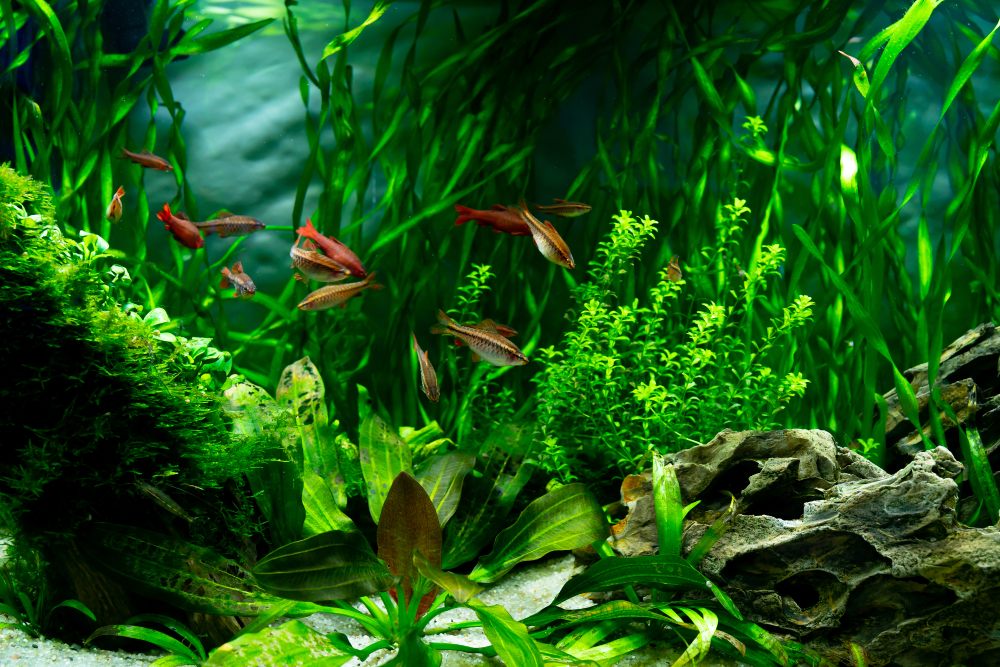
A delight to the eyes and an ecosystem's backbone, all wrapped in shades of glorious green. But how to choose? And more importantly, how to care? Let's dive in.
A tank without plants is like a stage without a backdrop, it's missing something vital.
Plants offer aesthetics, sure, but also shelter for your little swimmers and a crucial role in nutrient cycling. They're not just a pretty face!
But it's not a one-size-fits-all scenario, oh no. In our underwater garden, variety reigns.
From towering background plants like Vallisneria, which paint a picture of an underwater forest, to mid-ground species like Amazon Sword with their striking broad leaves, down to the creeping carpeting species like Dwarf Baby Tears, each plant has a role to play.
Consider your light. High-tech or low-tech? Carpeting plants, with their lush and spreading growth, demand more light and CO2. Anubias or Java Ferns? They're your low-light, easy-care friends.
And what about nutrients? Root feeders like Cryptocoryne will love a nutrient-rich substrate, whereas water column feeders can do well with liquid fertilizers.
Remember, a plant can only photosynthesize and grow as fast as the most limiting resource allows. Call it the underwater version of Murphy's Law!
Your fish species also come into play here. Got a herbivore? You might want to steer clear of the salad-like species, or your plants could end up as lunch.
And those fin-nipping species? They might take a bite out of soft-leaved plants. Choose wisely!
Plant maintenance is crucial. Pruning, to keep growth in check. Nutrient monitoring, to ensure your green friends are getting their fill. And don't forget the occasional algae scrub. It's all part of the plant-keeping gig!
But the joy of seeing your plants thrive, of watching that new leaf unfurl or that runner spread, makes all the effort worthwhile.
They bring your tank to life, provide a home for your fish, and they might even inspire your inner underwater botanist!
Yes, plants in an aquarium add an extra level of care, but they also add an extra level of joy. They create a slice of nature in your own space, a living, breathing, photosynthesizing slice of the natural world.
So, roll up those sleeves, it's time to get planting!
Popular Aquarium Plants:
Here's a list of the 15 most popular aquarium plants that aquarists love for their aesthetic appeal, easy care requirements, or beneficial qualities:
- Anubias barteri - A hardy plant that's perfect for beginners.
- Java Fern (Microsorum pteropus) - Tolerant to a variety of water conditions.
- Amazon Sword (Echinodorus grisebachii) - Known for its tall, sword-like leaves.
- Java Moss (Vesicularia dubyana) - Great for carpeting and providing hiding spots.
- Cryptocoryne wendtii - A low-light plant with various color varieties.
- Dwarf Hairgrass (Eleocharis parvula) - Creates a beautiful grassy carpet in the right conditions.
- Water Wisteria (Hygrophila difformis) - Rapid grower and provides ample cover for fish.
- Marimo Moss Ball (Aegagropila linnaei) - Uniquely round and extremely easy to care for.
- Rotala rotundifolia - Colorful plant that adds diversity to your tank.
- Ludwigia repens - Offers striking red or green coloration.
- Vallisneria - Known for its ribbon-like, tall and slender leaves.
- Duckweed (Lemna minor) - A floating plant that helps reduce excess nutrients.
- Hornwort (Ceratophyllum demersum) - An easy-to-grow plant that doesn't require substrate.
- Bacopa caroliniana - Also known as 'Moneywort,' it's great for backgrounds.
- Cabomba caroliniana - Known for its attractive, fan-shaped leaves.
Remember, each of these plants has its own unique requirements for light, nutrients, and care. Always research each plant thoroughly to ensure it's a good fit for your specific aquarium conditions. Happy planting!
Guides
Here are some other guides that you may enjoy:
The Ongoing Journey: Aquarium Maintenance
Every tank is a living, breathing, ever-evolving entity. Like a miniature world nestled in glass.
A world that demands vigilance, patience, and a touch of good-old TLC. And let's not forget the occasional elbow grease!
Water Changes
Water changes? Essential! Remember that 25% rule. Weekly, if you can manage it. We're not just freshening up the H2O here.
We're waging war against those pesky nitrates, diluting harmful waste products, replenishing essential minerals. In short, keeping our watery world fresh and clean for its inhabitants.
Cleaning
And let's chat about cleaning. We're talking sponge scrubbing the inner glass to banish algae's green sheen, vacuuming the substrate to oust any hidden muck.
And filter maintenance, folks! Remember, it's home to your hard-working bacteria squad. Be gentle, use tank water, don't destroy their habitat.
Monitor Equipment
Monitoring equipment is next on the list. That heater isn't going to check itself, and a malfunction could spell disaster. Ditto for the filter, the lights, and that essential air pump.
Keep an eye, ensure all is working as it should be. The wellbeing of your tank is, after all, in your hands!
Health Checks
Don't forget the health checks. Observe your fish, watch their behavior. Are they eating well? Are their fins in good shape? Spotting illness early is half the battle won.
Remember, you are the guardian of these watery lives. Be vigilant!
Plants
And plants? Prune when needed, monitor for nutrient deficiencies, and keep that algae in check.
They're your green teammates in this endeavor. Care for them, and they'll care for your tank in return.
But here's the thing. It's not all work and no play. There's joy to be found in this maintenance dance.
Satisfaction in a clean tank, delight in healthy, happy fish, pleasure in vibrant, flourishing plants. You're not just maintaining an aquarium; you're cultivating a piece of living art.
Routine Checkups: Regular Tasks for a Healthy Tank
Who doesn't love a checklist? They simplify, organize, and guide us, right? Well, fellow aquarists, have I got a doozy of a list for you.
Buckle up, grab your notepads, and get ready. We're talking routine checkups—those regular, non-negotiable tasks that keep our aqua-worlds spinning in the right direction. Let's dive in!
Daily Doses:
Every day, my friends, is an opportunity. A chance to observe, to interact, to care. It's not just about feeding your fish, though yes, that's important!
But it's also about checking in. Are your finned friends behaving normally? Eating well? Are their colors vibrant? Consider this your daily health audit. Easy peasy.
Weekly Wonders:
Now, we're stepping it up. Cue the water tests. We're looking at pH, ammonia, nitrites, nitrates—the works. This is your early warning system, your canary in the coal mine.
Spot problems before they escalate. And don't forget that water change, folks. 25%, remember? Sweep away those unwanted waste products and usher in the fresh.
Monthly Maneuvers:
Alright, monthly tasks are a bit more hands-on. It's time to clean your aquarium's glass, vacuum the substrate, and don't forget the decor.
All these surfaces can harbor algae, and we don't want that. Next, give your filter a gentle clean.
Remember, it's a bacterial hotspot! Use tank water, treat it kindly, and keep it running efficiently.
Quarterly Quests:
A few times a year, deep dive into more thorough checks. Think of it as your tank's spa day. Test your water for additional parameters like hardness and alkalinity.
Replace worn-out equipment parts if needed. Trim and prune your plants, replant if necessary. Your tank will thank you!
Annual Adventures:
Finally, we've got the big ones. Your yearly tasks. It's usually time to replace light bulbs, and perhaps check on that heater's performance.
You might want to do a full substrate vacuum too. It's the deep clean, the total refresh, the ultimate TLC.
All these tasks, big and small, weave together into the fabric of aquarium maintenance. It's a ritual, a rhythm, a way of life.
And the reward? A thriving, healthy aquarium and the satisfaction of knowing you're the driving force behind it.
The Unexpected: Dealing with Common Aquarium Issues
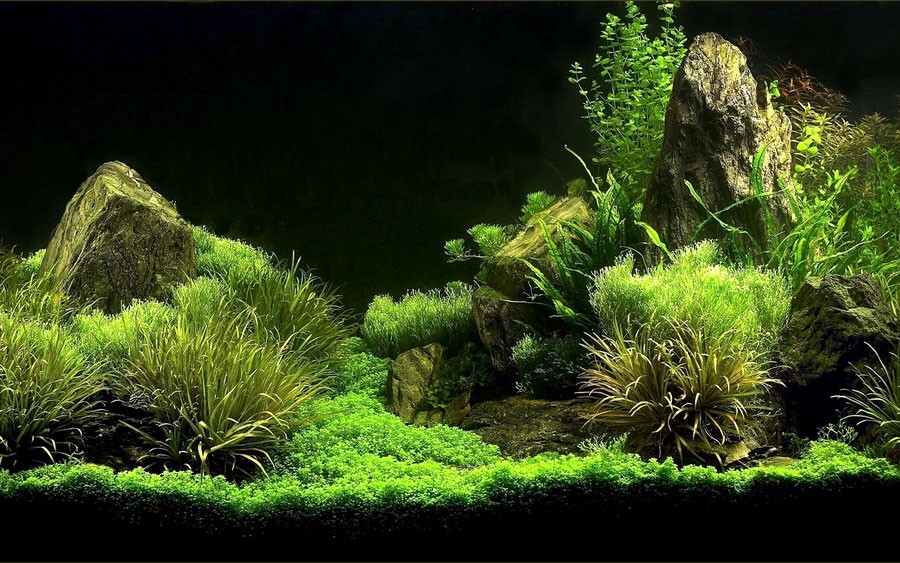
Just when you think you've got this aquarium-keeping gig figured out, the unexpected swoops in like a scene out of a comic book.
Algae outbreaks, stressed fish, murky water - they've got a flair for the dramatic. But hey, don't hang up your super-aquarist cape just yet. We've got this!
Algae
Algae, the green meanie. It loves light. It loves nutrients. Basically, it loves your aquarium. The answer? Plants.
Yeah, you heard right. Fast-growing aquatic plants outcompete algae for resources. Winning! And clean your tank regularly, reduce light hours, and consider an algae eater. Who knew problems could be so...tasty?
Another solution is to invest in algae-eating fish.
Check out our full guide on aquarium algae here.
Stressed Fish
Stressed fish? Do they need a fishy massage? Joking aside, stress is serious. It opens the door to disease, affects appetite, even lifespan.
Stress can come from overcrowded tanks, poor water quality, incompatible tank mates. Solution? Good research, water tests, and observation. Let's keep our fish happy, folks.
Murky Water
Murky water. It's the phantom of the aquarium, swooping in to cloud your view. Overfeeding, decaying plants, new setups - the culprits are many.
The fix? Water changes, appropriate feeding, and a good filter system are your weapons of choice. Take that, murkiness!
Equipment Failures
Equipment failures? They're the supervillains in this story. Heaters that overheat. Lights that flicker out. Filters that stop, well, filtering.
Keep a close eye on your equipment. Regular maintenance can catch problems before they become crises. And always have a backup plan!
F&Q
1: How often should I change the water in my aquarium?
You don't need to drain your aquarium every other day. Typically, a 10-20% water change every week or two is ideal. It helps to dilute the waste and replenishes essential minerals for your aquatic buddies. Just remember - sudden large changes can shock your fish!
Q2: How many fish can I put in my tank?
It depends on the size of your tank and the species of fish. A general rule of thumb? One inch of fish per gallon of water.
Remember, though, this is a starting point, not an absolute! Some fish need more room to roam, others like company.
Q3: Why is my aquarium water cloudy?
Don't panic! It could be due to a bacterial bloom, especially in new tanks. Or maybe overfeeding, excessive waste, or poor filtration. Don't fret. Pinpoint the cause, take action, and your tank will be clear in no time.
Q4: Can I mix different species of fish in my tank?
Yes, and no. It's all about compatibility, dear reader. Some fish mingle better than a room full of extroverts at a cocktail party, others?
Not so much. Do your research before introducing new species. And remember, each fish has its own personality and preferences!
Q5: What temperature should I keep my aquarium at?
Ahhh, the Goldilocks question. Not too hot, not too cold, but just right. Most tropical fish thrive in temperatures between 74-80°F (23-27°C).
That said, always check the specific needs of your fish. Because, let's face it, not all fish are beach-lovers!
Aquarium Guide For Beginners Conclusion
Well, my friends, here we are. The last paragraph of this deep dive into the mesmerizing world of fishkeeping.
We've gone from testing kits to lighting, temperatures to aquascaping, fish selection to ongoing maintenance.
If your head's spinning, that's okay. Take a deep breath. Because, trust me, this journey? It's just beginning.
As we wrap up this submarine voyage of knowledge, I want you to remember something. Fishkeeping isn't just a hobby. It's a commitment to these wonderful little lives that become part of your everyday routine.
Sure, there are challenges. There will be algae outbursts and unexpected fish behavior. You may find yourself, in the middle of the night, frantically googling "why is my water cloudy?"
But that's okay. It's all part of the experience. The highs, the lows, and everything in between, it's what shapes us as aquarists.
