

One crucial factor that contributes to your fish’s well-being is proper oxygenation in the tank.
Without sufficient oxygen levels, your fish can experience a range of health issues, from sluggishness and poor appetite to more serious problems like gill damage and even death.
That’s why it’s essential to understand the basics of oxygenation and learn how to add oxygen to your fish tank effectively.
In this blog post, I’ll provide you with a comprehensive guide on how to add oxygen to your fish tank.
It will cover everything from the basics of dissolved oxygen to different methods for oxygenation and maintenance tips.
So, whether you’re a seasoned fish keeper or a newbie looking to improve your fish’s living conditions, this post has got you covered.
Let’s dive in!
Understanding Oxygen in a Fish Tank

The Basics Of Dissolved Oxygen And Its Role In A Fish Tank
Understanding the basics of dissolved oxygen and its role in your fish tank is crucial for maintaining a healthy and thriving aquatic environment.
Dissolved oxygen refers to the amount of oxygen that is present in the water in your fish tank.
This oxygen is essential for your fish to breathe, just like how we need air to survive.
Without sufficient levels of dissolved oxygen, your fish can become stressed and sick, leading to a range of health issues.
In addition to being vital for your fish’s respiratory function, dissolved oxygen also plays a role in maintaining a healthy ecosystem in your tank.
It helps to support beneficial bacteria that break down waste and maintain water quality.
Furthermore, it can help to promote the growth of plants and other aquatic organisms.
Factors That Can Affect Oxygen Levels
There are several factors that can affect the levels of dissolved oxygen in your fish tank, including temperature, surface area, and the number of fish in the tank.
As water temperature increases, the amount of dissolved oxygen decreases.
This is why it’s crucial to monitor and maintain an appropriate temperature range for your fish.
Surface area is also an important factor to consider, as oxygen enters the water through the surface.
Therefore, the more surface area in your tank, the more oxygen can enter.
Adding aquarium plants can also help to increase oxygen levels by producing oxygen through photosynthesis.
By understanding the basics of dissolved oxygen and its role in your fish tank, you can take steps to ensure that your fish have a healthy and oxygen-rich environment to thrive in.
Common Misconceptions About Oxygenation
One common misconception is that adding more fish to the tank can increase oxygen levels.
While it’s true that fish do produce oxygen through respiration, adding too many fish to a tank can actually have the opposite effect.
This is because as the number of fish in a tank increases, so does their waste production, which can lead to a decrease in oxygen levels.
In fact, overcrowding is one of the leading causes of poor water quality and low oxygen levels in fish tanks.
When there are too many fish in a tank, they can produce more waste than the aquarium’s natural filtration system can handle.
This leads to a build-up of harmful toxins and bacteria.
Another misconception is that a bubbling air stone or oxygen pump is enough to maintain adequate oxygen levels in a fish tank.
While these devices can certainly help to increase oxygenation, they are not always necessary and can even be harmful in some cases.
For example, if the air stone or pump is too powerful, it can create too much turbulence in the water, which can stress out your fish and even damage their delicate gills.
It’s also important to note that different types of fish have different oxygen requirements.
It’s essential to research the specific needs of your fish species to ensure they are getting the appropriate amount of oxygen.
By addressing these common misconceptions about oxygenation in a fish tank, you can avoid making common mistakes and ensure that your fish have a healthy and oxygen-rich environment to thrive in.
How To Add Oxygen To A Fish Tank – Long-Term Solutions
1. Air Stones/Air Pump

Air stones are a popular method for adding oxygen to a fish tank because they are easy to install and cost-effective.
These small, porous stones are connected to an air pump that produces bubbles when connected to an air tube.
The bubbles that are produced then rise to the surface of the water, which promotes gas exchange and increases oxygen levels.
In addition to providing oxygenation, air stones can also help to promote water movement and surface agitation.
This can help to prevent stagnant water and promote healthy gas exchange.
This is particularly important in small to medium-sized tanks, where stagnant water can quickly become a problem.
One of the downsides of using air stones is that they can be noisy, especially if the air pump is placed close to the tank.
Additionally, the turbulence created by the bubbles can cause debris and waste to become suspended in the water column.
This can make it difficult to maintain good water quality.
This is why it’s important to properly clean and maintain air stones to ensure that they continue to work effectively.
Overall, air stones are an effective method for oxygenating a fish tank, especially in smaller tanks.
They are easy to install and can provide additional benefits such as promoting water movement and surface agitation.
Pros:
- Affordable and easy to install.
- Help to increase surface agitation.
- Effective at increasing oxygenation in small to medium-sized tanks.
Cons:
- Can be noisy.
- Difficult to clean, as they can become clogged with debris.
- They may not be sufficient for larger tanks or tanks with high oxygen demands.
Our Air Stone/Pump Recommendations
- Pawfly Aquarium 40 GPH Compact Air Pump
- Mudder Air Stone Disc Bubble Diffuser
- UPETTOOLS Aquarium Nano
2. A Hang-on-back (HOB) Filter
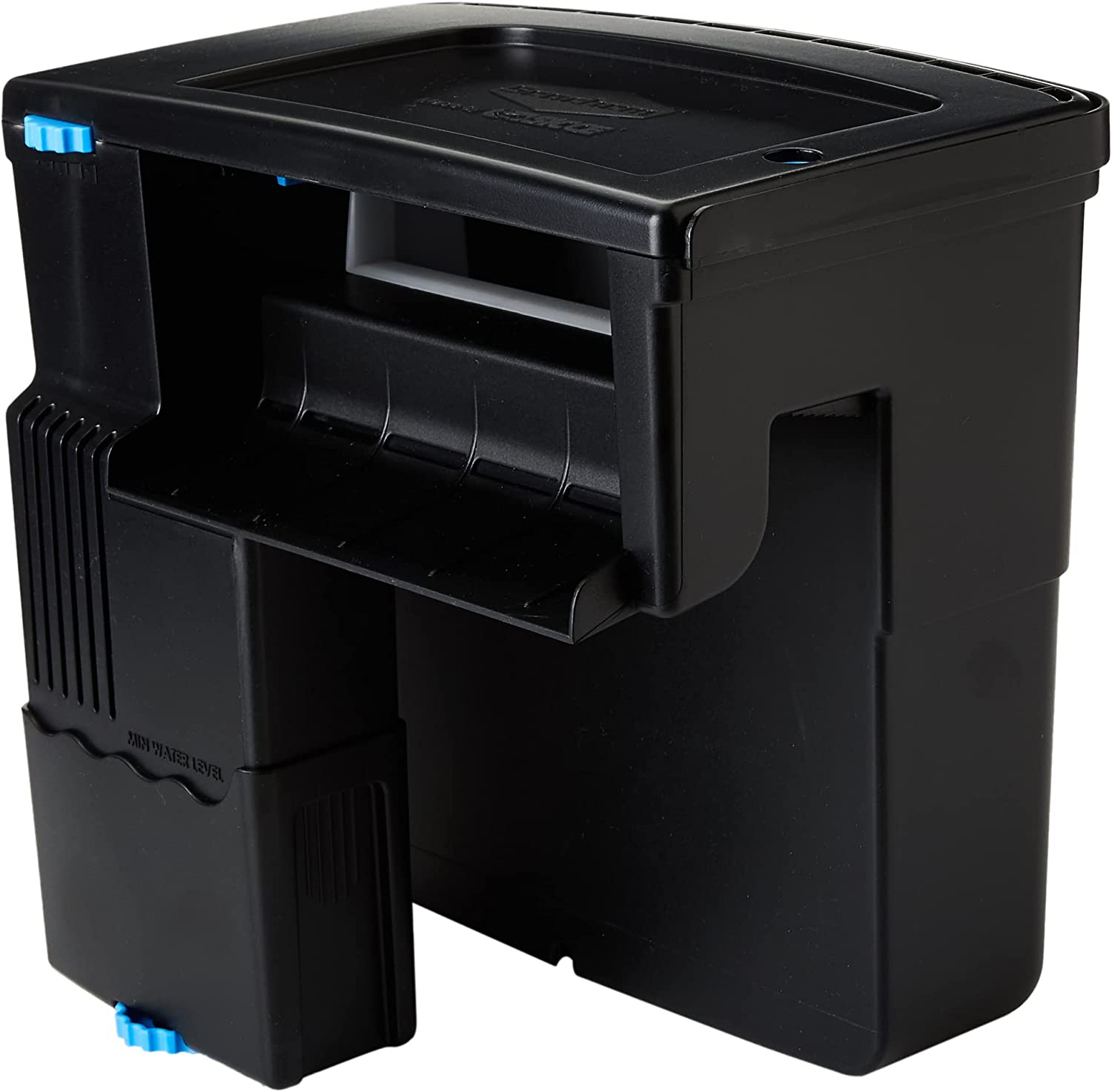
A HOB filter is a type of aquarium filter that hangs on the back of the tank, utilizing a pump to draw water from the tank into the filter.
As the water flows through the filter media, it undergoes mechanical and biological filtration, removing debris and promoting the growth of beneficial bacteria.
The filtered water is then returned to the tank, creating water movement and oxygenation.
One of the significant advantages of using a HOB filter is its dual functionality.
It not only helps to maintain water quality but also contributes to oxygenation by promoting water movement and surface agitation.
As the filtered water is returned to the tank, it creates ripples and disturbs the water surface, facilitating gas exchange and increasing oxygen levels.
Additionally, HOB filters are relatively easy to install and maintain.
They offer convenience and accessibility, allowing for easy media replacement and cleaning without the need to disturb the entire tank setup.
This makes them suitable for both beginner and experienced fish keepers.
However, it’s important to consider the specific needs of your fish when using a HOB filter.
Some fish species, particularly those that prefer calmer conditions, may find the increased water movement and surface agitation stressful.
Monitoring your fish’s behavior and adjusting the flow rate or baffling the outflow can help mitigate any negative effects.
Pros:
- Filtration and Oxygenation: HOB filters provide both filtration and oxygenation benefits. They remove debris and impurities from the water through mechanical and biological filtration processes while creating water movement and surface agitation, facilitating oxygen exchange.
- Easy Installation: HOB filters are easy to install and typically come with adjustable brackets that allow for secure attachment to the back of the tank. This makes them suitable for both beginner and experienced fish keepers.
- Maintenance Convenience: HOB filters offer convenience in terms of maintenance. The filter media is easily accessible and can be quickly replaced or cleaned without disrupting the entire tank setup.
- Versatility: HOB filters are available in various sizes and models, making them suitable for different tank sizes and fish species. They can be customized with different filter media to meet specific filtration needs.
Cons:
- Water Splashing: Due to the water movement and surface agitation they create, HOB filters can lead to some water splashing or noise, which might be undesirable in certain situations.
- Space Requirement: HOB filters require space at the back of the tank for attachment, which can be a consideration if the tank is positioned close to a wall or has limited space available.
- Fish Sensitivity: Some fish species, particularly those that prefer calmer water conditions, may find the increased water movement and surface agitation caused by HOB filters stressful. Monitoring fish behavior and adjusting the flow rate can help mitigate any negative effects.
- Limited Flow Rate Control: While many HOB filters offer adjustable flow rates, some models may have limited control over water flow, which might not be ideal for tanks with specific flow rate requirements.
Our Air Hang-on-back (HOB) Filter Recommendations
- Seachem Tidal 75
- AquaClear CycleGuard Power Filter
- MarineLand Penguin Bio-Wheel Multi-Stage Power Filter
3. Plants

Aquarium plants are not only visually appealing, but they also provide a natural way to increase oxygen levels in your fish tank.
Through the process of photosynthesis, aquatic plants produce oxygen that is then released into the water.
This can help to boost oxygenation levels and improve the overall health of your fish.
In addition to increasing oxygen levels, aquatic plants can also provide other benefits to your fish tank.
For instance, plants can help to absorb excess nutrients and waste, which can help to promote healthy water conditions and reduce the growth of algae.
They also provide a natural hiding place and habitat for fish and other aquatic creatures.
There are many different types of aquatic plants to choose from. Here are a few great examples:
- Anacharis (Elodea)
- Hornwort (Ceratophyllum demersum)
- Waterweed (Egeria densa)
- Java Moss (Taxiphyllum barbieri)
- Amazon Sword (Echinodorus amazonicus)
- Vallisneria (Vallisneria spp.)
- Moneywort (Bacopa monnieri)
- Water Sprite (Ceratopteris thalictroides)
- Dwarf Water Lettuce (Pistia stratiotes)
- Brazilian Pennywort (Hydrocotyle leucocephala)
When selecting plants for your tank, it’s important to choose plants that are appropriate for your specific tank conditions, such as lighting and water flow.
While aquatic plants are a great way to increase oxygen levels in your fish tank, it’s important to note that they may not produce enough oxygen to significantly increase oxygenation levels in larger tanks or tanks with high oxygen demands.
Overall, aquatic plants are a natural and eco-friendly way to increase oxygen levels in your fish tank.
Pros:
- Plants can be aesthetically pleasing and provide a natural habitat for your fish.
- They can help to promote healthy water conditions by absorbing excess nutrients and waste.
- They produce oxygen in a natural and eco-friendly way.
Cons:
- Some plants may not produce enough oxygen to significantly increase oxygenation levels.
- They require proper lighting and maintenance to thrive.
- They may not be sufficient for larger tanks or tanks with high oxygen demands.
4. Spray Bars
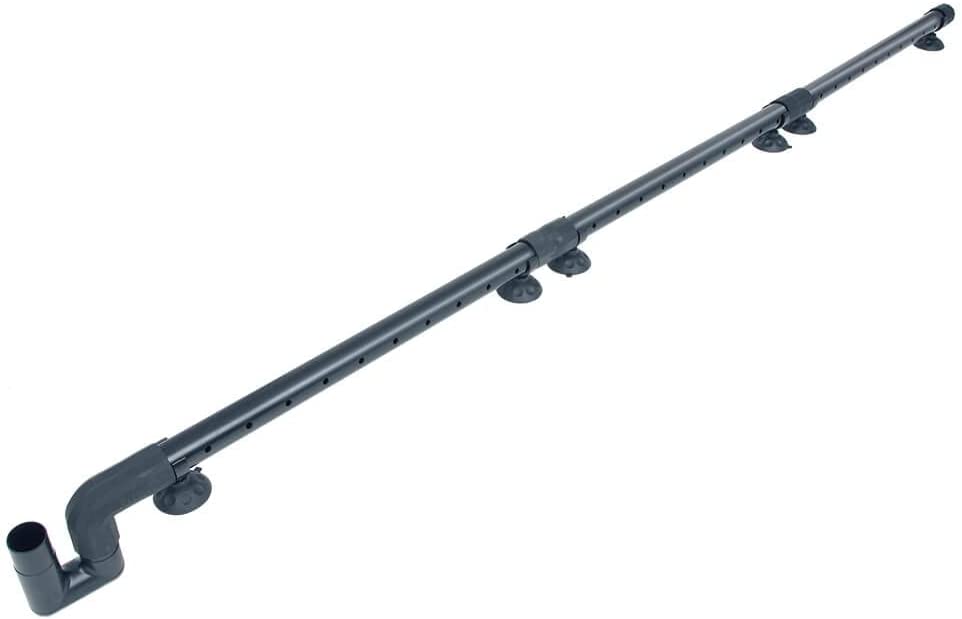
Spray bars are another method for adding oxygen to a fish tank, and they offer unique benefits for oxygenation and water circulation.
A spray bar is a device that attaches to the outlet of a water pump or filter, dispersing water across the surface of the tank in the form of a gentle spray or series of small jets.
This creates surface agitation and enhances oxygen exchange, increasing the oxygen levels in the water.
One of the advantages of using a spray bar is that it helps to create a broader and more even distribution of water movement and oxygenation compared to other methods.
The gentle spray or jets break the water’s surface tension, allowing for effective gas exchange and oxygen absorption.
Additionally, spray bars can also help to improve water circulation and prevent stagnant areas in the tank.
By directing the water flow across the tank’s surface, they can minimize debris accumulation and encourage better distribution of heat, nutrients, and oxygen throughout the aquarium.
When installing a spray bar, it’s important to position it properly to maximize its effectiveness.
Placing the spray bar at or slightly below the water surface and angling it towards the opposite end of the tank can help to ensure optimal water circulation and oxygenation.
However, it’s worth noting that spray bars may not be suitable for tanks with delicate or sensitive fish species that prefer calmer water conditions.
Some fish, such as bettas or certain species of catfish, may find the strong water movement disruptive to their well-being.
Pros:
- Effective Oxygenation: Spray bars provide excellent oxygenation by creating surface agitation, facilitating gas exchange and increasing the oxygen levels in the water.
- Even Water Distribution: They promote a broader and more even distribution of water movement across the tank, preventing stagnant areas and ensuring better circulation.
- Debris Prevention: The water movement caused by spray bars helps to minimize debris accumulation on the tank’s surface and in certain areas, contributing to better water quality.
- Heat and Nutrient Distribution: Spray bars aid in distributing heat and nutrients more evenly throughout the tank, supporting a healthier aquatic ecosystem.
Cons:
- Fish Sensitivity: Some fish species may find the water movement caused by spray bars too strong or disruptive, particularly those that prefer calmer conditions. It’s important to consider the specific needs and preferences of your fish before incorporating a spray bar.
- Visual Aesthetics: Depending on personal preference, the appearance of a spray bar may be less visually appealing compared to other oxygenation methods like air stones or plants.
- Noise Level: Depending on the design and water flow rate, spray bars can sometimes generate noise or create splashing sounds, which can be bothersome to some individuals.
Our Spray Bar Recommendations
5. Powerhead

Installing a powerhead is another effective method for adding oxygen to a fish tank while providing beneficial water movement and circulation.
A powerhead is a device that creates strong water flow by utilizing a motor and propeller.
When strategically positioned in the tank, it can generate increased water movement and surface agitation, resulting in enhanced oxygenation.
One of the significant advantages of using a powerhead is its ability to create powerful water currents and turbulence, which effectively oxygenate the water.
The increased surface agitation promotes gas exchange, facilitating the absorption of oxygen into the water and the release of carbon dioxide.
Additionally, powerheads contribute to better water circulation throughout the tank.
They help to prevent stagnant areas and debris accumulation, ensuring a healthier environment by distributing heat, nutrients, and oxygen more evenly.
When installing a powerhead, it’s important to consider the specific needs of your fish and the tank setup.
Positioning the powerhead to create gentle and broad water movement is key.
You can direct the flow towards the water surface, aiming for an optimal balance between oxygenation and minimizing disruption to fish that prefer calmer conditions.
However, it’s crucial to note that powerheads might not be suitable for all tank setups or fish species.
Some fish, such as those from slow-flowing or still-water habitats, may find strong water currents stressful or uncomfortable.
Pros:
- Enhanced Oxygenation: Powerheads create strong water currents and surface agitation, facilitating effective oxygenation and gas exchange. This promotes the absorption of oxygen into the water, benefitting the health and well-being of your fish.
- Improved Water Circulation: Powerheads contribute to better water circulation by preventing stagnant areas and distributing heat, nutrients, and oxygen more evenly throughout the tank. This helps maintain a healthier aquatic environment.
- Debris Prevention: The increased water movement caused by powerheads helps to minimize debris accumulation, preventing dead spots and improving overall water quality.
- Customizable Flow Rate: Many powerheads allow you to adjust the flow rate to meet the specific needs of your tank and fish, providing flexibility in controlling water movement.
Cons:
- Unsuitability for Some Fish Species: Some fish species, especially those from slow-moving or still-water habitats, may find strong water currents generated by powerheads stressful or uncomfortable. It’s crucial to consider the specific requirements and sensitivities of your fish before using a powerhead.
- Noise and Splashing: Depending on the design and flow rate, powerheads can generate noise or create splashing sounds. This might be bothersome in certain situations, such as in quiet environments or if excessive splashing causes water loss.
- Increased Power Consumption: Powerheads typically require electricity to operate, resulting in increased power consumption compared to other oxygenation methods like air stones or plants. This might lead to slightly higher energy costs.
Our Powerhead Recommendations
- Uniclife Aquarium Adjustable Wave Maker
- Hydor Tank Powerhead
- Marineland Penguin Submersible Powerhead
How To Add Oxygen To A Fish Tank – Emergency Solutions
1. Perform a Large Water Change
In emergency situations where oxygen levels in your fish tank are critically low, performing a large water change is one of the most immediate and effective ways to increase oxygen levels and alleviate stress on your fish.
Performing a large water change involves replacing a significant portion of the tank water with fresh, oxygen-rich water.
Here’s how it can help:
- Dilution of Toxins: In cases where oxygen levels are low, it’s likely that other water parameters, such as ammonia or nitrite levels, may also be elevated. By performing a large water change, you dilute and remove these harmful toxins, creating a healthier environment for your fish.
- Introduction of Fresh Oxygen: The replacement water used in the water change is typically oxygenated, either through exposure to air or by using an air stone or water pump. When this fresh water is added to the tank, it brings in a new supply of dissolved oxygen, helping to increase oxygen levels.
Here are some tips to perform a large water change in an emergency situation:
- Prepare fresh, dechlorinated water in advance to ensure it’s ready for use.
- Use a siphon or gravel vacuum to remove a significant portion of the tank water.
- Slowly and carefully add the fresh water to the tank, ensuring a smooth transition for your fish.
- Monitor your fish closely during and after the water change to observe their response and behavior.
2. Install Battery-Powered Air Pump
In emergency situations where power outages or equipment failure occur, installing a battery-powered air pump can be a life-saving solution to increase oxygen levels in your fish tank.
A battery-powered air pump is a portable device that operates on batteries, providing a continuous flow of air to the tank.
Here’s how it can help in an emergency:
- Immediate Oxygen Supply: During a power outage or equipment failure, the main source of oxygenation, such as filters or air pumps, may cease to function. Installing a battery-powered air pump ensures the continuous supply of oxygen to the tank, preventing oxygen depletion and providing relief for your fish.
- Temporary Oxygenation: While battery-powered air pumps are not as powerful as conventional air pumps, they can provide enough air circulation and surface agitation to increase oxygen levels in the tank, maintaining a suitable environment for your fish until power is restored or equipment is fixed.
Here are some steps to install a battery-powered air pump in an emergency situation:
- Prepare the battery-powered air pump in advance, ensuring that the batteries are fully charged or have fresh replacements.
- Attach the air hose to the air pump and connect the air stone or diffuser.
- Submerge the air stone or diffuser in the tank, preferably in an area with good water movement or near the surface to maximize oxygen exchange.
- Turn on the battery-powered air pump and adjust the airflow as needed.
3. Use Fans
Using fans to increase oxygenation in an emergency is a simple yet ingenious technique that involves promoting air movement across the water surface.
Here’s how it can help:
- Surface Agitation: By directing the airflow from a fan towards the water surface, you create surface agitation, which facilitates gas exchange and boosts oxygen levels in the tank. The movement breaks the water’s surface tension, allowing for increased oxygen absorption and the release of carbon dioxide.
- Simulating Natural Conditions: In the wild, fish benefit from natural air movement, such as wind or water flow, that contributes to oxygenation. By using fans, you can replicate this natural phenomenon and provide your fish with an oxygen-rich environment during emergencies.
Here are some steps to effectively use fans to increase oxygenation in your fish tank during emergencies:
- Position one or more fans near the tank, ensuring that they are directed towards the water surface.
- Adjust the fan speed and angle to achieve gentle airflow across the surface without causing excessive disturbance to the water or stressing the fish.
- Monitor the tank closely, observing the fish behavior and oxygen levels. Adjust the fan settings as needed to maintain a suitable oxygen-rich environment.
4. Manually Stirring The Water
Manually stirring the water involves gently agitating the water using a long object or your hand, creating movement and promoting oxygen exchange.
Here’s how it can help in an emergency:
- Surface Agitation: By stirring the water, you break the water’s surface tension and create surface agitation. This allows for increased gas exchange, facilitating the absorption of oxygen and the release of carbon dioxide.
- Improved Oxygen Levels: Manual stirring introduces fresh air into the water, infusing it with oxygen. This increases the overall oxygen content in the tank, supporting the respiration and well-being of your fish.
Here are some steps to effectively manually stir the water in an emergency:
- Before stirring, ensure that your hands or any object you use to stir are clean and free from contaminants that could harm the fish.
- Gently move your hand or the object in a circular motion near the water surface, creating ripples and disturbance without causing excessive turbulence.
- Continue stirring for a short period, monitoring the fish closely to observe their response and behavior.
5. Pour Water From A Height
Pouring water from a height involves slowly and gently pouring fresh water into the tank from an elevated position.
Here’s how it can help in an emergency:
- Increased Surface Agitation: When water is poured from a height, it creates turbulence and agitation as it enters the tank, causing surface disturbance. This promotes gas exchange and enhances oxygen absorption into the water.
- Oxygen Infusion: As the water cascades into the tank, it incorporates air, infusing the water with fresh oxygen. This results in an increase in oxygen levels, benefitting the respiration and overall health of your fish.
Here are some steps to effectively pour water from a height in an emergency:
- Prepare fresh, dechlorinated water in advance to ensure it’s ready for use.
- Position yourself above the tank, holding a container of water at a moderate height.
- Slowly and gently pour the water into the tank, aiming for an area with good water movement or near the surface to maximize oxygen exchange.
- Observe the fish closely during and after the pouring process to monitor their response and behavior.
Choosing The Right Oxygenation Method For Your Specific Tank
Choosing the right method for adding oxygen to your fish tank is crucial for maintaining a healthy and thriving aquatic environment.
To help you choose the right oxygenation method for your specific tank, here are some tips to consider:
- Tank Size: The size of your tank is one of the most important factors to consider when choosing an oxygenation method. Smaller tanks may benefit from air stones or smaller filters, while larger tanks may require more powerful filters or additional oxygenation methods like powerheads or wave makers.
- Fish Species: Different fish species have different oxygen requirements, so it’s important to research the specific needs of your fish before choosing an oxygenation method. Some fish, like bettas and gouramis, prefer slower-moving water, while others, like goldfish, require high levels of oxygen.
- Aquarium Plants: If you have aquarium plants in your tank, they can help to increase oxygen levels through photosynthesis. Choosing plants that are appropriate for your tank conditions and properly maintaining them can help to boost oxygen levels and promote a healthy environment for your fish.
- Budget and Maintenance: It’s important to consider the cost and maintenance requirements of different oxygenation methods when choosing the right one for your tank. Air stones and smaller filters are typically more affordable and require less maintenance, while larger filters and powerheads may be more expensive and require more maintenance.
- Aesthetics: Lastly, consider the aesthetic appeal of different oxygenation methods. Some methods, like air stones, can be visually distracting or noisy, while others, like planted tanks, can provide a natural and visually pleasing environment for your fish.
By considering these factors, you can choose the right oxygenation method for your specific tank and ensure that your fish have a healthy and oxygen-rich environment to thrive in.
Remember to research your fish species and properly maintain your oxygenation equipment to ensure its effectiveness.
Monitoring Oxygen levels / Signs Of Oxygen Depletion
Monitoring oxygen levels in your fish tank is crucial for maintaining a healthy and thriving aquatic environment.
Here are some tips for monitoring oxygen levels and recognizing signs of oxygen depletion:
- Use a Testing Kit: Using a testing kit is the most accurate way to monitor oxygen levels in your fish tank. Oxygen test kits are easy to use and are available at most pet stores or online. It’s important to test your water regularly, especially if you have a heavily stocked tank or notice any signs of oxygen depletion.
- Recognize Signs of Oxygen Depletion: There are several signs that your fish tank may be experiencing oxygen depletion, including gasping at the surface of the water, lethargic or slow-moving fish, and reduced appetite. If you notice any of these signs, it’s important to take action immediately to prevent further harm to your fish.
- Increase Surface Agitation: Increasing surface agitation is one of the easiest ways to increase oxygen levels in your fish tank. You can do this by using an air stone, a powerhead, or by adjusting the flow rate of your filter. Increasing surface agitation can also help to prevent stagnant water and promote healthy gas exchange.
- Perform Regular Water Changes: Performing regular water changes is another important step in maintaining oxygen levels in your fish tank. By removing old and stagnant water, you can help to prevent the build-up of harmful toxins and bacteria, which can contribute to oxygen depletion.
- Check Equipment: Finally, it’s important to regularly check your oxygenation equipment, such as air pumps and filters, to ensure that they are working properly. Clogged or dirty equipment can lead to reduced oxygenation levels in your tank, so it’s important to clean or replace them as needed.
Remember to test your water regularly, recognize signs of oxygen depletion, and take action immediately to prevent harm to your fish.
How To Add Oxygen To A Fish Tank Conclusion
By understanding the basics of dissolved oxygen and the different methods for adding oxygen, you can choose the right oxygenation method for your specific tank.
When selecting an oxygenation method, it’s important to consider factors such as tank size, fish species, aquarium plants, budget, and aesthetics.
Regular maintenance of your oxygenation system is also crucial for ensuring its effectiveness and preventing poor water quality and fish health problems.
Remember to monitor oxygen levels in your tank regularly and recognize signs of oxygen depletion
By taking action immediately to address these issues, you can prevent harm to your fish and maintain a healthy and thriving aquatic environment.
