


A low tech planted aquarium offers a slice of underwater paradise without the complexities often associated with high-tech setups.
In this guide, you’ll discover the allure of such aquariums, understand why they’re a popular choice among both beginners and seasoned aquarists, and learn step-by-step how to set up and maintain your own thriving aquatic ecosystem.
Dive in and let’s explore the serene world of low tech planted tanks.
Why Choose a Low Tech Setup?
The world of aquariums can be daunting, especially for newcomers.
With so many gadgets, equipment, and technical jargon, it’s easy to feel overwhelmed.
This is where the charm of a low tech setup comes into play. But what exactly makes it so appealing?
Cost-Effective
One of the most significant advantages of a low tech setup is its cost-effectiveness. High-tech aquariums often require a substantial initial investment.
From CO2 systems to specialized substrates and advanced lighting setups, the costs can quickly add up. In contrast, a low tech aquarium focuses on the basics.
The absence of expensive equipment means you can allocate your budget to other aspects of the tank, such as choosing a variety of plants or investing in a more aesthetically pleasing aquarium design.
Over time, the savings become even more apparent, as there’s less equipment to maintain or replace.
Simplicity and Ease
Remember the joy of setting up your first fishbowl? The simplicity of adding water, a few pebbles, and a goldfish? A low tech planted aquarium brings back that simplicity.
Without the need to monitor CO2 levels, adjust intricate lighting schedules, or fiddle with advanced gadgets, you can focus on the pure joy of watching your aquatic plants grow.
It’s an approach that’s especially appealing to beginners, allowing them to learn the basics of plant care without the added pressure of managing a high-tech system.
Natural Look
There’s a certain beauty in letting nature take its course.
Without the accelerated growth induced by CO2 injections and specialized lighting, plants in a low tech aquarium grow at a more natural pace.
This results in a tank that evolves gradually, with plants adapting to their environment, finding their own space, and coexisting in harmony.
The outcome? An aquarium that truly mirrors the beauty and diversity of underwater ecosystems.
Essential Components of a Low Tech Planted Aquarium
Every aquarium, regardless of its complexity, relies on certain foundational elements.
These components not only ensure the health and well-being of the plants and fish but also contribute to the overall aesthetics of the setup.
Let’s explore these essential components in detail.
Substrate
The substrate is more than just the “floor” of your aquarium; it’s the bedrock upon which your aquatic plants will anchor and thrive.
Choosing the right substrate is crucial for the health and growth of your plants.
- Nutrient-rich substrates: These are specially formulated to provide plants with essential nutrients, especially during their initial growth phase. Brands like ADA Aquasoil or Eco-Complete are popular choices among enthusiasts. They contain vital minerals and trace elements that plants need, eliminating the need for additional fertilizers, especially in the early stages.
- Sand or fine gravel: While not as nutrient-dense as specialized substrates, sand or fine gravel can still be a viable choice, especially if you’re planning to supplement with root tabs or liquid fertilizers. They offer a natural look and are especially suitable for certain types of aquascapes, like biotopes.
- Layering: Some aquarists opt for a layered approach, with a nutrient-rich layer at the bottom covered by a layer of sand or gravel. This combines the best of both worlds, providing plants with nutrients while achieving a specific aesthetic look.
Lighting
While a low tech setup doesn’t require high-end lighting systems, the importance of adequate lighting cannot be overstated.
After all, light is essential for photosynthesis, the process by which plants produce their food.
- LED Lighting: Modern LED lights are energy-efficient and provide a full spectrum of light, mimicking natural sunlight. Brands like Finnex or Fluval offer affordable options that are suitable for low tech setups. The key is to ensure that the light covers the entire tank and that plants receive consistent lighting, typically between 6-8 hours daily.
- Natural Light: Some aquarists rely on natural light, placing their aquariums near windows. While this can work, it’s essential to monitor for excessive algae growth, which can be a sign of too much light.
Plants
The stars of the show! Choosing the right plants can make or break your low tech aquarium.
- Hardy Species: Not all aquatic plants are created equal. Some require specific conditions to thrive, while others are more forgiving. For a low tech setup, opt for hardy species like Java Fern, Anubias, or Cryptocoryne. These plants are adaptable, require minimal maintenance, and can thrive without CO2 supplementation.
- Floating Plants: Species like Duckweed or Water Lettuce can be a great addition. They provide shade, help combat algae by absorbing excess nutrients, and add a unique look to the aquarium.
Filtration
Clean water is the lifeblood of any aquarium. While plants do play a role in filtration by absorbing nitrates, a dedicated filtration system is still essential.
- Hang-on-back filters: These are simple, effective, and perfect for low tech setups. They provide mechanical filtration (removing debris from the water) and biological filtration (housing beneficial bacteria that break down waste).
- Sponge filters: Powered by an air pump, these filters are gentle and ideal for tanks with small fish or shrimp. They’re also great for beneficial bacteria.
Heater for Maintaining a Consistent Temperature
While a low tech planted aquarium often focuses on simplicity, maintaining a consistent water temperature is crucial for the well-being of both plants and aquatic inhabitants.
Here’s why a heater is an essential component:
- Stable Environment: Fluctuating temperatures can stress plants and fish, leading to stunted growth or even disease. A heater ensures that the water remains within a desired temperature range, providing a stable environment for all tank inhabitants.
- Tropical Plants and Fish: Many popular aquarium plants and fish hail from tropical regions and thrive in warmer waters. A heater replicates their natural environment, ensuring they remain healthy and vibrant.
- Avoiding Cold Shocks: Especially in colder climates or during winter months, room temperatures can drop significantly. A heater prevents sudden cold shocks, which can be detrimental to sensitive plants and fish.
- Choosing the Right Heater: When selecting a heater, consider the size of your tank and the specific needs of your plants and fish. Submersible heaters with adjustable thermostats are a popular choice, allowing for precise temperature control.
Low-Tech Aquarium Plants

Embarking on the journey of a low tech planted aquarium doesn’t mean compromising on plant variety or beauty.
In fact, many aquatic plants thrive in low tech conditions. Here’s a list of some popular choices:
- Java Fern (Microsorum pteropus): A hardy plant that’s perfect for beginners. It doesn’t require substrate, as it can attach to rocks or driftwood. Its unique leaf shape adds texture to the aquarium.
- Anubias: With its thick, dark green leaves, Anubias is both durable and beautiful. Like Java Fern, it prefers to attach to surfaces rather than being planted in the substrate.
- Cryptocoryne: These plants come in various species, each with its unique leaf shape and color. They’re substrate plants and are known for their adaptability.
- Mosses (like Java Moss or Christmas Moss): Mosses are excellent for creating a lush, green carpet or for covering surfaces. They’re easy to care for and provide shelter for small fish and shrimp.
- Vallisneria: A tall, grass-like plant that’s perfect for the background. It’s fast-growing and can create a lovely underwater meadow effect.
- Water Wisteria: Known for its feathery leaves, this plant can adapt to various conditions and is a great addition to any low tech tank.
When choosing plants for your low tech setup, it’s essential to consider their light and nutrient requirements.
While all the plants listed above are well-suited for low tech conditions, they’ll still benefit from consistent lighting and occasional fertilization.
Step-by-Step Guide to Setting Up A Low Tech Planted Aquarium

Embarking on the journey of setting up a planted aquarium is exciting.
While the process requires patience and attention to detail, the end result—a thriving, natural aquatic ecosystem—is immensely rewarding.
Let’s walk through the steps together.
1. Choosing the Right Tank Size
The size of your tank will influence many subsequent decisions, from the type and number of plants and fish you can keep to the amount of substrate and lighting required.
- Space considerations: Before purchasing a tank, consider where you’ll place it. Ensure you have a sturdy stand or table and that the location is away from direct sunlight, which can cause temperature fluctuations and promote algae growth.
- Volume: For beginners, a 10-20 gallon tank strikes a good balance. It’s large enough to provide stability in water parameters but not so large that it becomes overwhelming. As you gain confidence, you might find yourself drawn to larger tanks or even nano setups, which can be as small as 5 gallons.
- Shape: While the traditional rectangular aquarium is always a solid choice, don’t be afraid to explore other shapes like cubes or bow-front tanks. Each offers a unique perspective and can influence your aquascaping decisions.
2. Laying the Substrate
Once you’ve chosen your tank, it’s time to add the substrate. This step sets the stage for your entire aquascape.
- Depth: Aim for a depth of about 2-3 inches. This allows plants to root comfortably. If you’re planning a sloped design or creating hills and valleys, you’ll need to adjust the depth accordingly.
- Rinsing: Many substrates, especially sands and gravels, benefit from a thorough rinse before being added to the tank. This removes fine particles and prevents the water from becoming cloudy.
- Placement: Start by adding substrate at the back of the tank and work your way forward. This naturally creates a slope, giving your aquascape depth and perspective.
3. Installing Lighting
With the substrate in place, it’s time to think about lighting.
As mentioned earlier, while you don’t need high-end lighting for a low tech setup, ensuring your plants receive adequate light is crucial.
- Fixture placement: Ensure the light fixture spans the length of the tank to provide even illumination. Adjustable fixtures can be particularly useful, allowing you to raise or lower the lights as needed.
- Duration: A general rule of thumb is to provide 6-8 hours of light daily. Using a timer can help maintain a consistent schedule, which is beneficial for both plants and fish.
4. Planting
Now comes the fun part—adding plants to your aquarium!
- Preparation: Before planting, rinse your plants to remove any residual debris or unwanted pests. For potted plants, gently remove the pot and mineral wool surrounding the roots.
- Placement: Start with the larger plants, placing them towards the back of the tank. As you move forward, add smaller plants. This creates a sense of depth and makes the aquascape visually appealing.
- Tools: Using aquascaping tweezers can make the planting process much easier, especially for small or delicate plants.
5. Adding Water and Filtration
With your plants in place, it’s time to add water and set up your filtration system.
- Filling the tank: Place a plate or bowl on the substrate and pour water onto it. This prevents the water from disturbing the substrate and plants. Fill the tank slowly, ensuring plants remain in place.
- Filtration: Install your chosen filter, ensuring it’s appropriately sized for your tank. Remember to rinse filter media in dechlorinated water before use.
Maintenance Tips
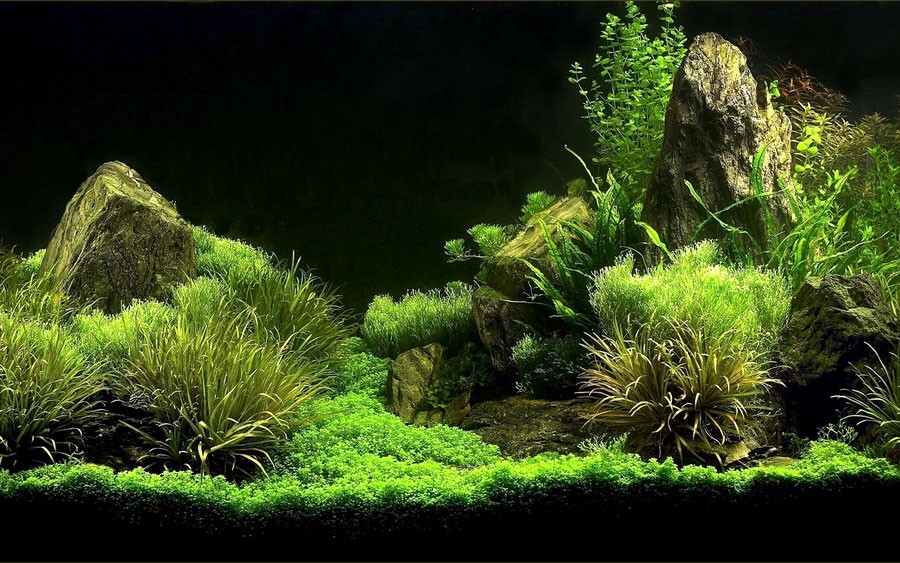
A low tech planted aquarium, while simpler than its high-tech counterpart, still requires regular maintenance to ensure a healthy environment for both plants and fish.
Here are some tips to keep your aquatic paradise in top shape.
- Water Changes: Regular water changes are crucial. Aim for a 20% water change weekly. This helps remove waste products and replenishes essential minerals. Always use dechlorinated water, as chlorine can harm both plants and fish.
- Pruning: As your plants grow, they’ll need occasional pruning to maintain their shape and ensure they don’t overshadow their neighbors. Use dedicated aquascaping scissors for precision.
- Algae Control: Algae is a common challenge. While some algae are natural and even beneficial, excessive growth can be unsightly and harmful. Reduce lighting hours, introduce algae-eating fish or shrimp, and consider floating plants that outcompete algae for nutrients.
- Fertilization: Even in a nutrient-rich substrate, plants might benefit from occasional fertilization. Liquid fertilizers or root tabs can provide essential nutrients, ensuring lush growth.
- Monitor Lighting: If plants appear leggy or discolored, they might be receiving too much or too little light. Adjust your lighting duration or intensity accordingly.
Low Tech Planted Aquarium FAQs
Do I need a heater for a low tech planted tank?
While many plants are adaptable to a range of temperatures, the need for a heater largely depends on the fish and invertebrates you plan to keep. Tropical species, for instance, require warmer water.
Always research the specific needs of your aquatic inhabitants. If you do opt for a heater, ensure it’s appropriately sized for your tank and has a reliable thermostat.
How often should I feed my fish in a planted tank?
Feeding once a day is usually sufficient for most fish species. However, the key is not to overfeed. Excess food can decay, leading to water quality issues.
Observe your fish during feeding. Ideally, they should consume all the food within a few minutes. Adjust the quantity accordingly.
Can I add shrimp to my planted aquarium?
Absolutely! Shrimp, especially species like Cherry Shrimp or Amano Shrimp, are not only fascinating to watch but also beneficial.
They’re natural scavengers, feeding on algae and organic debris, helping to keep the tank clean. Plus, they’re generally safe with plants and won’t cause damage.
How do I deal with algae growth?
Algae is a natural part of any aquatic ecosystem. However, excessive growth can indicate an imbalance. Here are some strategies:
- Lighting: Ensure your tank isn’t receiving too much light. Adjust the duration or intensity if necessary.
- Nutrients: Over-fertilization can lead to algae blooms. Use fertilizers judiciously and monitor nutrient levels.
- Water Changes: Regular water changes help remove excess nutrients that algae thrive on.
- Natural Predators: Introduce algae-eating fish or shrimp to help control the growth.
Can I use tap water for my aquarium?
While tap water is convenient, it often contains chlorine or chloramines, which are harmful to fish and plants. Always treat tap water with a water conditioner before adding it to your tank.
Alternatively, consider using distilled or RO (reverse osmosis) water, especially if your tap water has a high mineral content.
Low Tech Planted Aquarium Conclusion
Setting up a low tech planted aquarium is more than just a hobby; it’s an invitation to witness nature’s magic up close.
By embracing the simplicity and natural beauty these setups offer, you not only create a tranquil space for yourself but also provide a thriving environment for aquatic life.
As you embark on this journey, remember that every plant you nurture and every fish you introduce adds to the story of your unique underwater world.
So, whether you’re just starting out or looking to simplify your existing setup, a low tech planted aquarium is a testament to the wonders that nature, with a little help from us, can achieve.
