


Aquarium plant anchors are essential tools for every aquarist looking to create a vibrant underwater landscape.
Ensuring that your aquatic plants are securely anchored not only enhances the aesthetics of your tank but also promotes healthier plant growth.
In this guide, we’ll delve into various methods of anchoring, suitable plants for each method, detailed step-by-step processes, and the pros and cons to consider.
By the end, you’ll be equipped with the knowledge to choose the best anchoring method for your unique aquarium setup.
Aquarium Plant Anchors Overview
- Using Plant Weights: Secure plants by wrapping them with specially designed weights.
- Using Substrate: Bury plant roots or rhizomes in a layer of gravel or sand to hold them down.
- Using Decorative Items: Attach plants to rocks, driftwood, or other tank decorations for a natural look.
- Using Fish-Safe Adhesive: Use aquarium-safe glues to attach plants to surfaces without harming fish.
- Put a Cover on the Top: Place mesh or netting over floating plants to keep them submerged.
- Use Suction Cups: Attach plants to tank walls using suction cups for vertical growth.
- Try Using Pots: Plant aquatic species in small pots and place them in the aquarium for easy rearrangement.
These are the 7 tried-and-true methods for anchoring your aquatic plants effectively.
Each technique offers a unique approach to ensure your plants remain stable and flourish in their underwater environment.
Dive deeper into each method below to discover which one aligns best with your aquarium setup and preferences.
Why Anchoring is Essential
Anchoring your aquatic plants isn’t just a matter of aesthetics, though a well-organized tank is undeniably pleasing to the eye.
There’s a lot more to it, and understanding the significance can make a world of difference in your aquarium’s health and vitality.
The Natural Habitat Replication
In their natural habitats, aquatic plants are firmly anchored, either to the riverbed or other structures.
This anchoring provides them with stability against currents, ensuring they remain in their preferred location to receive optimal light and nutrients.
By anchoring plants in our aquariums, we’re replicating this natural environment, which is essential for their well-being.
Nutrient Absorption
Aquatic plants, especially the rooted varieties, derive essential nutrients from the substrate.
Proper anchoring ensures that their roots are in constant contact with the substrate, allowing them to absorb these nutrients effectively.
Floating or improperly anchored plants might miss out on these vital nutrients, leading to stunted growth or even decay.
Protection from Fish
If you have fish in your aquarium, especially the more playful or curious species, they might uproot or play with unanchored plants.
Anchoring plants firmly ensures they remain undisturbed, reducing stress and potential damage.
Preventing Unwanted Spread
Some aquatic plants, especially the invasive species, can spread rapidly if left unchecked. Proper anchoring can help control their growth and prevent them from overtaking the tank.
This is particularly crucial for maintaining a balanced ecosystem where all plants and fish coexist harmoniously.
Aiding in Photosynthesis
Plants need light to photosynthesize. When they’re anchored, they remain in their designated spots, ensuring they receive consistent lighting.
Floating plants can sometimes drift to shaded areas, affecting their ability to photosynthesize and, consequently, their health.
In essence, anchoring is not just about keeping your aquarium tidy; it’s a crucial aspect of ensuring the health and longevity of your aquatic plants.
It’s about creating a stable, nourishing environment that mirrors their natural habitat, promoting growth and vitality.
Benefits of Properly Anchored Plants
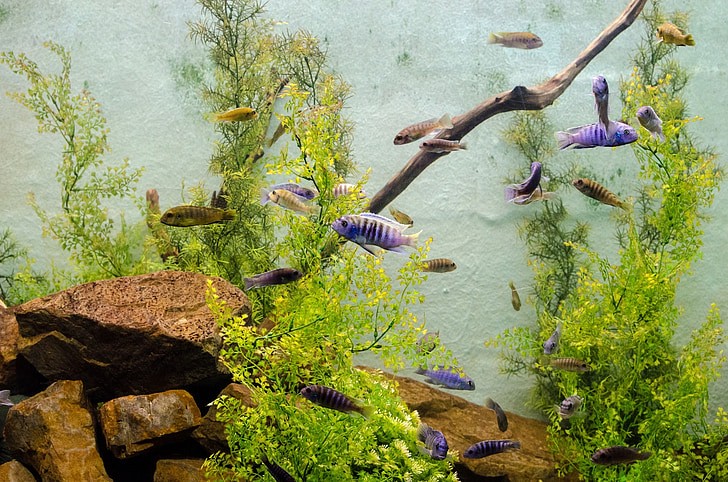
Anchoring your aquatic plants correctly offers a myriad of benefits, both for the plants themselves and the overall aquarium ecosystem.
Let’s delve deeper into these advantages:
Stability in the Aquatic Environment
One of the most immediate benefits of anchoring is stability. In the wild, plants are accustomed to staying in one place, allowing them to grow and flourish without the constant threat of being uprooted by currents or other environmental factors.
In our aquariums, anchored plants can grow undisturbed, leading to healthier and more robust plants.
Enhanced Nutrient Absorption
When plants are anchored firmly into the substrate, their roots can spread out and delve deeper. This not only provides them with a stable base but also allows them to access a broader range of nutrients.
The substrate in an aquarium is often rich in essential minerals and compounds that plants need.
By anchoring them properly, we ensure they have the best possible access to these nutrients, promoting healthier growth.
A More Natural and Aesthetic Appeal
There’s no denying that an aquarium with well-anchored plants looks more natural and appealing.
Plants swaying gently with the water flow, fish swimming around them, and the play of light on their leaves create a mesmerizing visual.
Properly anchored plants also grow in a more organized manner, adding to the tank’s overall aesthetic appeal.
Reduced Stress for Aquatic Life
Fish and other aquatic creatures prefer a stable environment. When plants are continually floating around or getting uprooted, it can cause stress to these creatures.
A stable environment, with anchored plants, offers hiding spots, breeding grounds, and a sense of security to the fish, enhancing their well-being.
Prevention of Algal Blooms
Properly anchored plants can compete more effectively with algae for nutrients. When plants are anchored and growing healthily, they consume many of the nutrients that algae would otherwise use to thrive.
This competition can help in preventing or reducing algal blooms, which can be detrimental to the aquarium’s health.
Improved Water Quality
Healthy, anchored plants play a pivotal role in maintaining water quality. They absorb excess nitrates and other compounds, purifying the water in the process.
This not only benefits the plants themselves but also the fish and other aquatic life in the tank.
In conclusion, while anchoring might seem like a simple task, its benefits are manifold.
It’s an essential step in setting up and maintaining a thriving aquarium, ensuring that both the plants and aquatic life coexist in a balanced, healthy environment.
Methods to Anchor Aquarium Plants
Anchoring aquatic plants might seem straightforward, but with the variety of plants and aquarium setups, there are multiple methods to ensure your plants stay put and thrive.
Here’s a deep dive into some of the most effective anchoring techniques I’ve come across in my aquatic journey:
Method 1: Using Plant Weights

Plant weights are specially designed strips or rings made of aquarium-safe materials, often lead or other heavy metals.
They are primarily used to anchor stem plants or those with delicate root systems that might not immediately take hold in the substrate.
Kinds of plants this method can be used on:
- Stem plants
- Newly introduced plants with delicate roots
Step by step process:
- Select an appropriate plant weight for the size and type of plant you’re anchoring.
- Gently wrap or clip the weight around the base of the plant, ensuring it’s firm but not too tight.
- Submerge the plant in the desired location in the aquarium.
- Push the plant, along with the weight, into the substrate until it’s stable.
Pros:
- Easy to use and reposition.
- Ideal for plants that don’t anchor easily.
- Provides immediate stability.
Cons:
- Some aquarists don’t like their appearance in the tank.
- Over time, some weights might degrade or rust.
Method 2: Using Substrate

The substrate is the base layer of the aquarium, often made up of gravel, sand, or specialized plant substrates.
It’s essential for rooted plants, providing them with a medium to anchor and derive nutrients.
Kinds of plants this method can be used on:
- Rooted plants
- Rhizome plants (partially)
Step by step process:
- Dig a small hole or trench in the substrate using your fingers or aquarium tweezers.
- Place the plant’s roots or base into the hole.
- Gently cover the roots with the substrate, ensuring the crown remains exposed.
- Pat down the substrate around the plant to ensure stability.
Pros:
- Provides a natural look.
- Allows plants to absorb nutrients.
- Offers long-term stability.
Cons:
- Some plants might take time to anchor firmly.
- Overcrowding can lead to competition for nutrients.
Method 3: Using Decorative Items

Decorative items like rocks, driftwood, and other ornaments can serve dual purposes in an aquarium.
Apart from enhancing aesthetics, they can be used as anchoring points for certain plants.
Kinds of plants this method can be used on:
- Rhizome plants
- Mosses
- Ferns
Step by step process:
- Choose a suitable decorative item, ensuring it’s aquarium-safe.
- Clean the item thoroughly to remove any debris or contaminants.
- Using fishing line, thread, or rubber bands, attach the plant to the decoration.
- Place the decoration in the desired spot in the aquarium.
Pros:
- Enhances the tank’s aesthetics.
- Provides a stable anchoring point.
- Ideal for plants that prefer not to be buried.
Cons:
- Some decorations might alter water chemistry.
- Over time, threads or bands might need replacement.
Method 4: Using Fish-Safe Adhesive
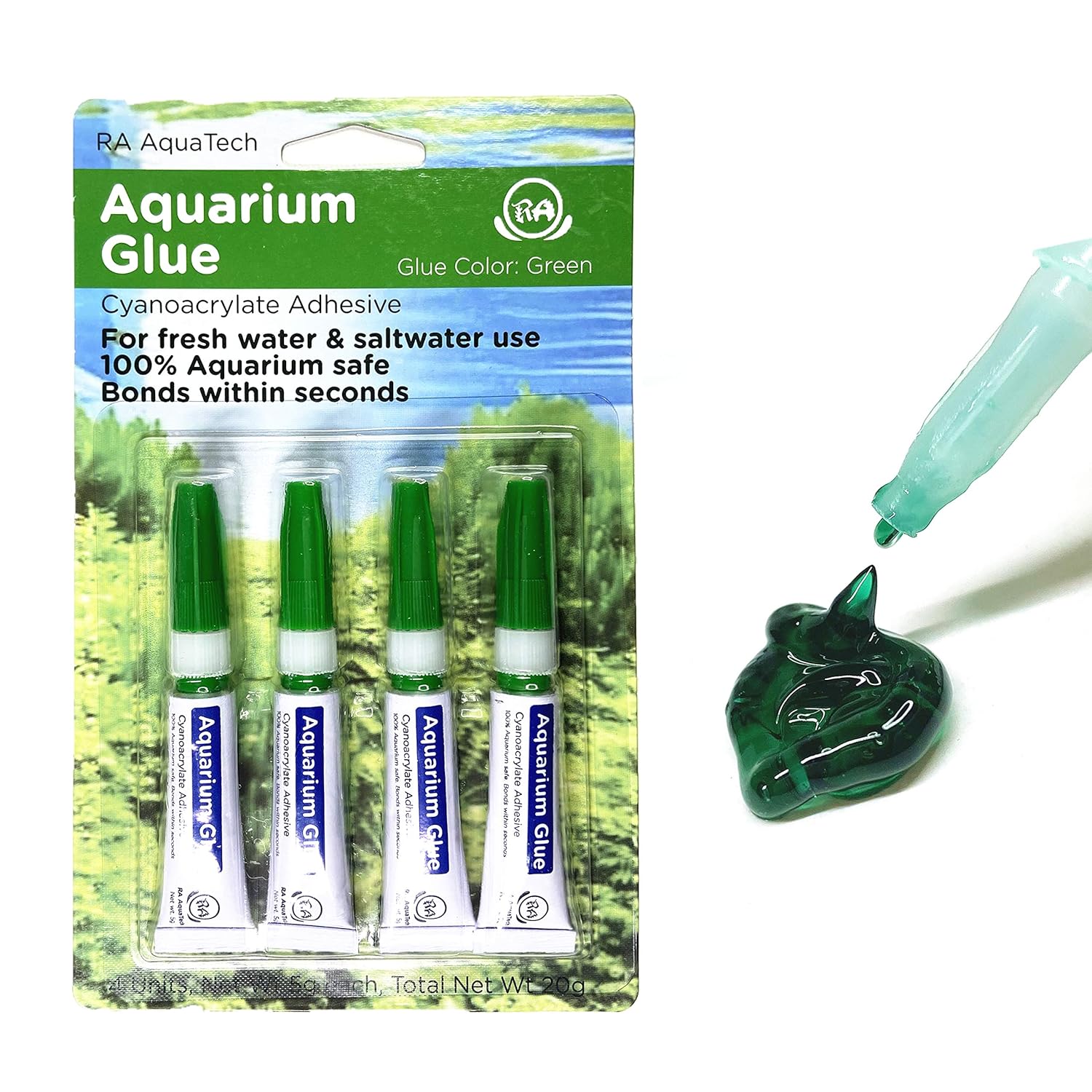
Fish-safe adhesives, often in gel or glue form, are designed to attach plants to surfaces without harming the aquatic environment.
Kinds of plants this method can be used on:
- Rhizome plants
- Mosses
- Plants that attach to surfaces
Step by step process:
- Clean and dry the area of the decoration where you want to attach the plant.
- Apply a small amount of adhesive to the plant’s base or the decoration.
- Press the plant onto the decoration and hold for a few seconds until it adheres.
- Allow the adhesive to cure as per the manufacturer’s instructions before submerging.
Pros:
- Provides a strong bond.
- Long-lasting solution.
- Ideal for vertical surfaces or overhangs.
Cons:
- Can be messy if not applied carefully.
- Not suitable for all plant types.
Method 5: Put a Cover on the Top

Using a cover or lid on the aquarium can prevent floating plants from being blown around, especially in tanks with strong water flow.
Kinds of plants this method can be used on:
- Floating plants
Step by step process:
- Choose an aquarium-safe cover or lid that fits your tank.
- Ensure the cover has openings or spaces for essential equipment like filters, heaters, and feeding.
- Simply place the cover on top of the aquarium.
Pros:
- Prevents floating plants from drifting.
- Reduces water evaporation.
- Can deter fish from jumping out.
Cons:
- Might reduce gas exchange if not properly ventilated.
- Can accumulate condensation, affecting light penetration.
Method 6: Use Suction Cups

Suction cups provide a unique and versatile way to anchor plants, especially in aquariums with glass walls.
They can be particularly useful for plants that grow vertically or those that need to be positioned in specific spots.
Kinds of plants this method can be used on:
- Mosses
- Vertical growing plants like some ferns
- Plants with long stems
Step by step process:
- Clean the inner surface of the aquarium glass where you want to place the suction cup.
- Attach the plant to the suction cup. Some cups come with clips or ties for this purpose.
- Press the suction cup against the glass, ensuring it’s securely attached.
- Adjust the plant as needed to ensure it’s positioned correctly.
Pros:
- Allows for creative plant positioning.
- Easy to reposition and adjust.
- Doesn’t require substrate or decorations.
Cons:
- Suction cups might lose grip over time.
- Not suitable for heavy plants.
Method 7: Using Pots

Using pots in aquariums can offer a structured and organized look, especially for plants that have extensive root systems or those that need specific substrate types.
Kinds of plants this method can be used on:
- Rooted plants
- Plants that require specific substrate conditions
Step by step process:
- Choose an aquarium-safe pot that’s the right size for your plant.
- Fill the pot with the desired substrate, considering the plant’s requirements.
- Plant your aquatic plant in the pot as you would with regular planting.
- Place the pot in the desired location in the aquarium.
Pros:
- Allows for easy repositioning of plants.
- Can cater to specific substrate needs.
- Prevents certain plants from overgrowing or spreading too much.
Cons:
- Might not appeal to everyone aesthetically.
- Pots can take up space, reducing swimming areas for fish.
Common Mistakes to Avoid
Anchoring plants might seem like a straightforward task, but there are pitfalls even seasoned aquarists can fall into.
Awareness of these common mistakes can save you time, effort, and ensure the well-being of your aquatic plants.
Overcrowding
It’s easy to get carried away when setting up an aquarium, especially with the plethora of beautiful aquatic plants available.
However, cramming too many plants into a limited space can lead to several issues.
- Why it’s a problem: Overcrowded plants compete for light, space, and nutrients. This can stunt their growth, make them more susceptible to diseases, and even lead to their demise.
- Solution: Always consider the mature size of the plant when planting. Give them ample space to grow and spread. It’s better to start with fewer plants and add more as needed.
Not Considering Plant Growth Patterns
Different plants have different growth patterns. Some grow tall, some spread out, and others send out runners.
- Why it’s a problem: Planting without considering growth patterns can lead to taller plants overshadowing shorter ones, depriving them of light. It can also result in some plants overrunning others.
- Solution: Research each plant’s growth pattern before introducing it to your aquarium. Position them in a way that allows all plants to receive adequate light and space.
Burying Rhizomes
As mentioned earlier, some plants, like Anubias and Java Fern, grow from rhizomes. These should not be buried.
- Why it’s a problem: Burying rhizomes can cause them to rot, damaging the plant and potentially leading to its death.
- Solution: Anchor these plants using weights or tie them to decorations. Ensure the rhizome remains above the substrate.
Using Non-Aquarium Safe Weights and Decorations
While it might be tempting to use any available weight or decoration, it’s crucial to ensure they’re safe for aquarium use.
- Why it’s a problem: Non-aquarium safe items can leach harmful chemicals into the water, affecting both plants and aquatic life.
- Solution: Always opt for items designed for aquarium use. If in doubt, research or consult with experts before introducing anything to your tank.
Neglecting Root Health
The health of a plant’s roots is paramount for its overall well-being. However, it’s easy to overlook them since they’re often buried.
- Why it’s a problem: Damaged or rotting roots can affect the plant’s ability to absorb nutrients, leading to stunted growth or decay.
- Solution: Handle roots with care when planting. Periodically check for signs of rot or damage, especially if the plant appears unhealthy.
In essence, while anchoring plants, it’s essential to consider their individual needs, growth patterns, and overall health. Avoiding these common mistakes can ensure your plants not only stay anchored but also thrive in their aquatic environment.
Different Types of Aquarium Plants
Aquatic plants come in a diverse range, each with its unique characteristics, growth patterns, and anchoring needs.
As an enthusiast, understanding these types can significantly enhance your aquarium’s aesthetics and health. Let’s explore the primary categories:
Rooted Plants
These are perhaps the most common type of aquatic plants you’ll encounter.
As the name suggests, rooted plants have a well-defined root system that anchors them to the substrate.
- Examples: Amazon Sword, Vallisneria, and Cryptocoryne.
- Anchoring Tips: For these plants, a nutrient-rich substrate is crucial. When planting, ensure you bury the roots deep enough to provide stability but avoid burying the crown (where the stem meets the roots). Over time, the roots will spread, further anchoring the plant and allowing it to absorb nutrients effectively.
Floating Plants
Floating plants don’t need anchoring in the traditional sense, as they naturally float on the water’s surface.
However, in some cases, you might want to anchor or contain them to prevent them from covering the entire surface.
- Examples: Duckweed, Water Lettuce, and Frogbit.
- Anchoring Tips: While these plants don’t anchor to the substrate, you can use floating rings or barriers to contain them in specific areas. This ensures they don’t overrun the surface, blocking light for submerged plants.
Rhizome Plants
Rhizome plants have a thick horizontal stem (rhizome) from which leaves and roots grow.
These plants don’t anchor through their roots but rather the rhizome.
- Examples: Anubias, Java Fern, and Bucephalandra.
- Anchoring Tips: The rhizome should be placed above the substrate to prevent rot. You can anchor these plants to rocks, driftwood, or other decorations using fishing line or thread until they attach themselves naturally.
Stem Plants
Stem plants are tall and slender, growing upwards towards the light.
They can be planted individually or in groups, and they often propagate by cutting and replanting the stems.
- Examples: Water Wisteria, Rotala, and Bacopa.
- Anchoring Tips: Plant the stems into the substrate, ensuring they’re deep enough to stay anchored. Over time, they’ll develop roots along the stem, further stabilizing themselves.
Understanding the different types of aquatic plants and their specific anchoring needs is crucial. It not only ensures they remain stable but also promotes healthier growth and a more natural-looking aquarium.
Remember, the key is to replicate their natural environment as closely as possible, catering to their individual needs.
Aquarium Plant Anchors FAQs
How often should I check the anchoring of my plants?
It’s a good practice to check the anchoring of your plants during your regular aquarium maintenance or water change sessions. If you notice any plants becoming loose or if they’ve grown significantly, it might be time to re-anchor or adjust their position.
Can I use regular garden soil as a substrate for anchoring?
While garden soil can be used in aquariums, it’s essential to ensure it’s free from chemicals, pesticides, and other harmful substances. Many aquarists opt for a “dirted” tank using organic potting soil capped with gravel or sand.
However, be prepared for an initial period of water cloudiness and potential algae blooms as the soil settles.
My floating plants keep getting sucked into the filter. What can I do?
This is a common issue with floating plants in aquariums with powerful filters. You can create a barrier using airline tubing or use floating plant rings to contain the plants in specific areas, preventing them from drifting into the filter.
I’ve anchored my plants, but they keep uprooting. What could be the reason?
Several factors could cause this. Active fish, like cichlids or goldfish, might be digging around and uprooting the plants. In such cases, consider using plant weights or protective barriers.
Another reason could be gas pockets in the substrate, which, when released, can uproot plants. Ensure you’re using the right anchoring method for the specific plant type.
Do I need to trim or prune my anchored plants?
Yes, regular pruning can promote healthier growth and prevent plants from overgrowing or overshadowing others. Use aquarium-safe scissors and trim the plants as needed, ensuring you don’t damage their main structures.
I hope these answers provide clarity on some of the common concerns related to anchoring aquarium plants. Remember, every aquarium is unique, and what works for one might not work for another.
Observation, patience, and continuous learning are the keys to success in this rewarding hobby.
Aquarium Plant Anchors Conclusion
Understanding aquarium plant anchors and their applications is pivotal for a thriving aquatic environment.
As we’ve explored, the choice of anchoring method can significantly impact the health, growth, and appearance of your plants.
By prioritizing secure anchoring, you not only ensure the stability of your plants but also create a harmonious underwater world that’s a joy to behold.
Whether you’re a novice aquarist or a seasoned pro, we hope this guide has provided valuable insights to enhance your aquarium planting journey.
