

Picture this: You’re gazing into your aquarium, watching your algae eater fish
They are diligently scrubbing away, turning the once greenish glass into a pristine window to an underwater wonderland.
There’s something remarkably captivating about these miniature janitors of the deep, isn’t there?
Just like the unsung heroes in comic books, these algae eater fish are the secret saviors of your aquarium’s balance and beauty.
They are an essential part of your aquatic ecosystem, tirelessly nibbling away the unwanted algae.
Offering you a clearer view of your vibrant underwater world. Yet, their role is more than just keeping the tank clean.
They add to the tapestry of life that unfolds beneath the water’s surface, contributing their unique behavior and beauty.
In this post, we’re going to dive deeper into the world of algae eater fish, explore their types, characteristics, and care needs.
Whether you’re a seasoned aquarist or a beginner just dipping your toes into the aquarium hobby, this guide promises to be a delightful exploration of these fascinating tank-cleaners.
So, let’s swim right into the depths and discover the superheroes of your aquarium world!
What Is Algae?
In essence, algae are aquatic organisms, akin to plants.
They photosynthesize, turning light and carbon dioxide into their food.
They’re part of the natural aquatic world, dotting the underwater landscape with a touch of green.
But like a guest overstaying their welcome, it’s the overgrowth of algae that gives aquarists the heebie-jeebies.
Now, a pinch of algae here and there is no big deal. It’s natural, after all.
But when algae throw a never-ending party, that’s where we hit an underwater roadblock.
An algal bloom can decrease oxygen levels in the water, potentially creating a less-than-ideal environment for your aquatic pals.
Plus, let’s not forget, a tank covered in algae isn’t exactly a sight for sore eyes.
What Causes Algae?
Algae love to party in aquariums for two main reasons: nutrients and light.
Overfeeding your fish or plants can create an excess of nutrients, including phosphates and nitrates, in the water.
Add in the cocktail of ample lighting and voila!
Your aquarium becomes Mardi Gras for algae, multiplying faster than you can say “stop, algae, stop!”
Best Algae Eating Fish
Siamese Algae Eaters

No, not a Siamese cat prowling around your fish tank, but a fish so good at its job it deserves its own billboard.
Picture this: a slender, torpedo-shaped body, a golden stripe racing down its silver side.
That’s our SAE. It’s not showy, not flamboyant, but a hard worker. Unassuming, efficient, relentless.
They are workaholics in the best sense. Day in, day out, they patrol your aquarium, nibbling away at the green menace.
But, and here’s the intriguing part, SAEs are not just about work. They’re a fascinating addition to your aquarium community.
They’re peaceful, non-aggressive, and get along with their tank mates. Just make sure they have enough room to dart around.
Feeding your SAEs? They’re not picky eaters.
While algae are their main course, they’ll happily munch on sinking pellets, flake foods, and blanched veggies.
Remember, variety is the spice of life, even underwater!
And the cherry on top? SAEs can grow up to 6 inches. That’s a lot of algae-eating power packed into one fish!
Bristlenose Plecostomus (Bristlenose plecos)
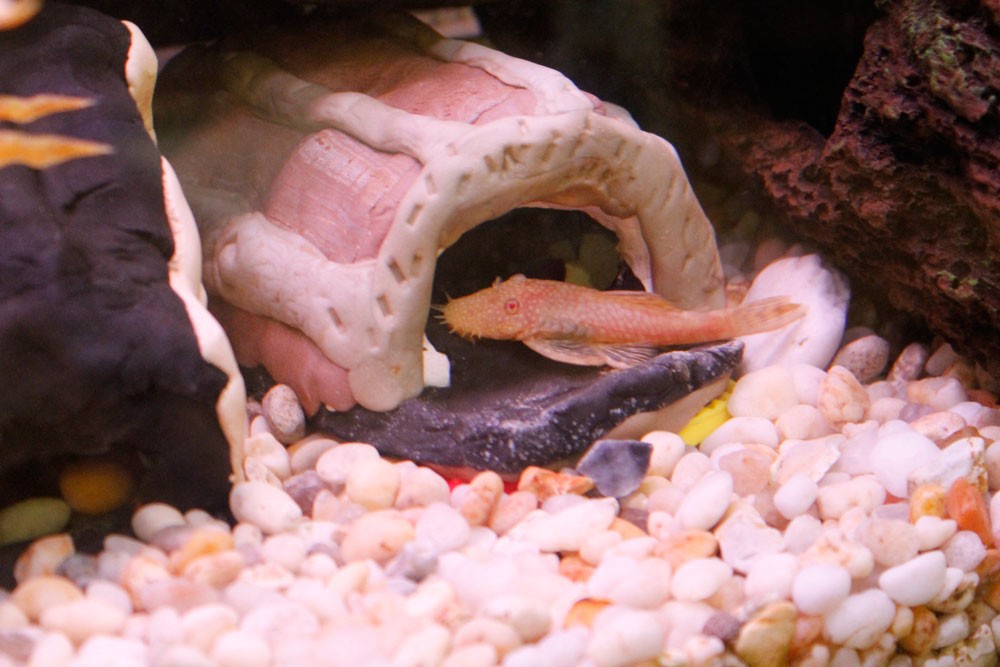
Enter the Bristlenose Plecostomus, also known as the Bristlenose Pleco.
A quirky character in the fish tank, they’re an algae eater that packs a punch and adds a dollop of charm to your aquarium.
Picture a robust fish, armored with bony plates, adorned with bristle-like whiskers that give it a distinguished look.
Now, why would we want one of these whiskered wonders in our tank? Because they’re algae eating machines, that’s why!
They’ll use their sucker-like mouth to scrape off algae from your tank surfaces, decorations, even the glass! Algae don’t stand a chance with these guys around.
Bristlenose Plecos, in their armor-plated glory, are hardy, resilient, and long-lived. They can be your loyal algae-busting companions for up to 12 years!
But let’s not forget their unique aesthetics. Those bristles aren’t just for show – they’re the Pleco’s trademark feature, and they add a touch of intrigue to your aquarium.
Bear in mind, these fellows can grow up to 5 inches, so they’ll need enough space to move around.
They also appreciate a few hideouts. Think caves, driftwood, places where they can retreat and chill after a long day of algae munching.
Feeding your Bristlenose Pleco?
While algae form the mainstay of their diet, supplement with sinking pellets, wafers, and fresh veggies like cucumbers or zucchinis.
Nutrition is key to keeping your Bristlenose happy and healthy.
Otocinclus Catfish (Otos)
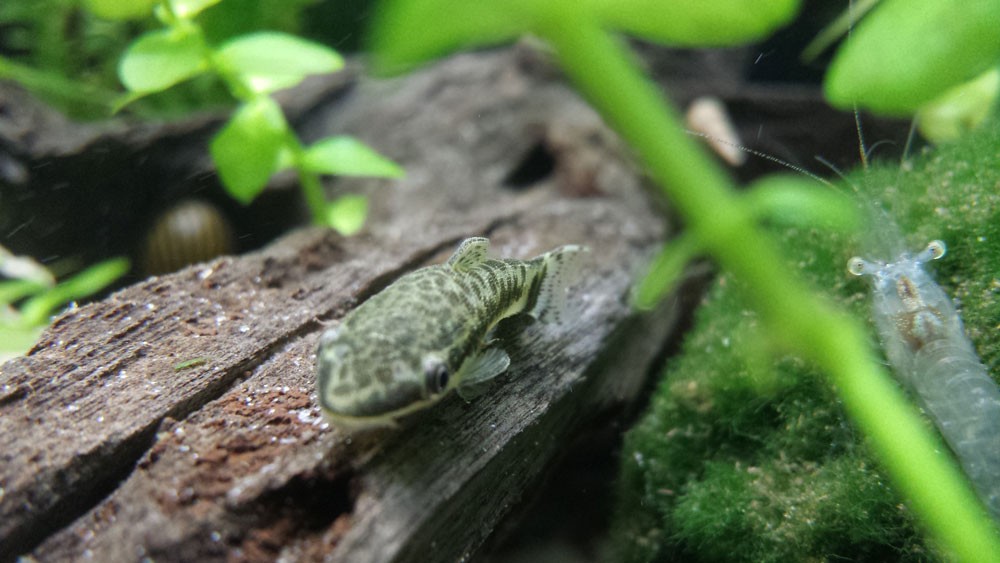
Ever heard of a stealthy ninja that goes by the name Otocinclus Catfish? No? Well, prepare to be amazed.
Otocinclus, affectionately known as Otos, might be small, but they pack a punch in the algae eating department.
Silent, efficient, and tireless, they are the unseen heroes of your aquarium.
Imagine a tiny fish, only about 2 inches long, with a streamlined body built for stealth.
With their soft grey color blending into the background, they’re practically invisible.
But don’t let their size or humble appearance fool you. These mini powerhouses are algae-munching champs.
But it’s not all about the algae. Otos have a place in our hearts and our tanks for other reasons too.
They’re peaceful, they’re quiet, they’re low-maintenance. They won’t disturb your other fish, but instead dart around the tank, keeping to themselves and staying out of trouble.
Otos, despite their size, have appetites that are anything but small. Algae, especially the soft green type, are their absolute favorite.
They’ll also appreciate blanched veggies and sinking pellets for a change.
Now, a word of caution. Otos are delicate, sensitive to changes in water conditions.
So make sure your tank is well established, your water clean and stable. Give them hiding places, and they’ll be your silent partners in algae management.
Whiptail Catfish
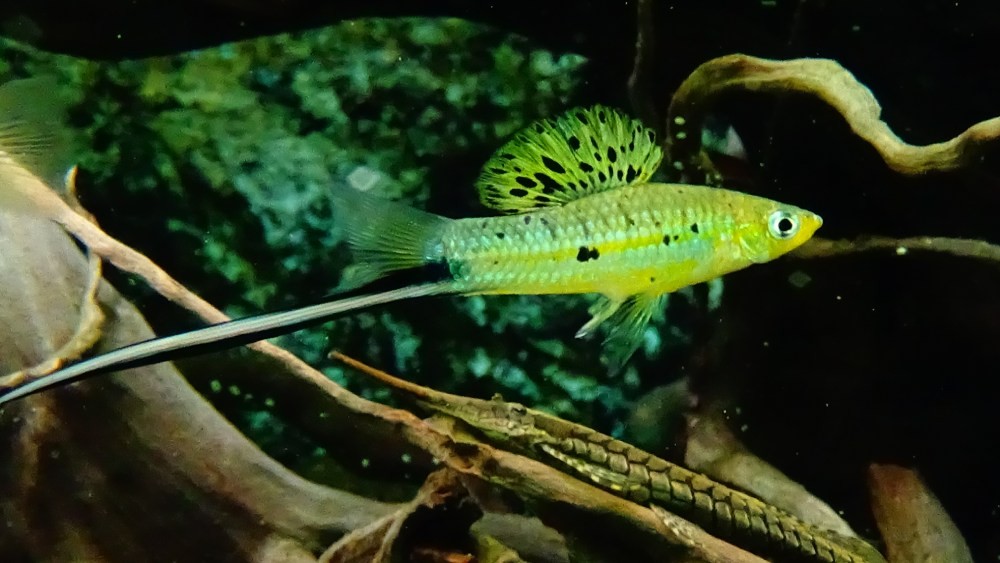
Whiptail Catfish, a truly extraordinary resident of our aquariums. If the underwater world had a fashion runway, the Whiptail Catfish would be a top model!
Let’s paint a picture: the Whiptail Catfish, a slender creature with a head-to-tail armor of bony plates.
A long, whip-like tail, hence the name. Earthy tones that blend seamlessly with your tank decor.
A quirky, appealing fish, it’s an unconventional beauty in its own right.
But the Whiptail Catfish isn’t just a pretty face. This algae aficionado uses its sucker-like mouth to clean up your tank surfaces, decor, and even plants.
Yes, plants! While some algae eaters can harm your delicate greenery, the Whiptail is a gentle grazer, making it a plant-friendly choice.
Don’t be fooled by their delicate demeanour, though. These unique critters are hardy and adaptable.
They can weather a range of water conditions, making them a durable addition to your aquarium community.
Whiptails are social creatures. They appreciate the company of their own kind, so consider getting a few to form a small group.
Not only will they be happier, but you’ll also have more algae-eating power at your disposal!
When it comes to feeding your Whiptail Catfish, a diet of algae won’t suffice.
Complement their algae grazing with sinking pellets, wafers, and the occasional offering of blanched vegetables.
Now, bear in mind, Whiptails like to burrow. So, a soft substrate and plenty of hiding places will make them feel right at home.
Chinese Algae Eater
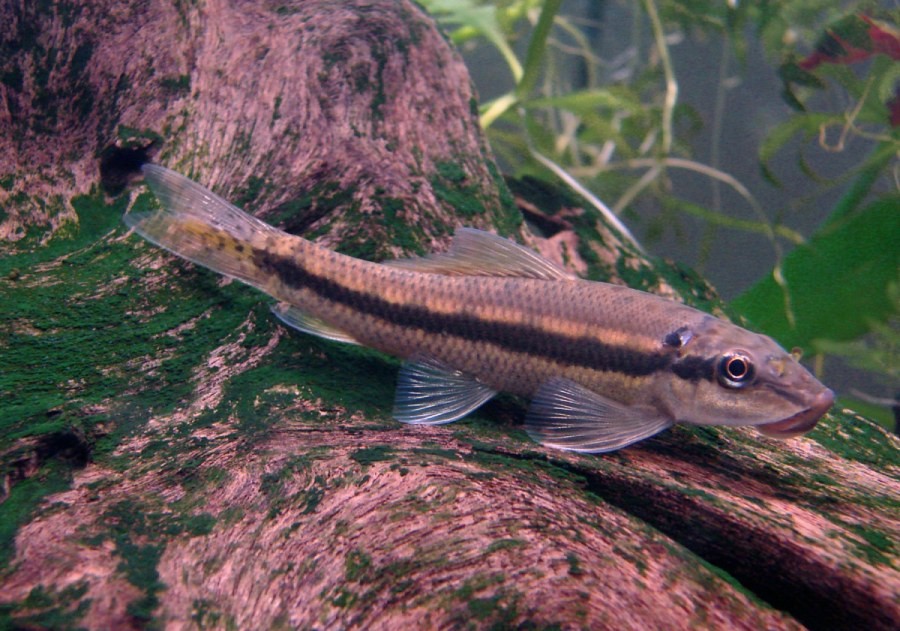
Ready for a unique twist to your aquarium? Allow me to introduce the Chinese Algae Eater.
This intriguing creature offers a blend of practicality and charm that makes it a distinctive addition to your tank.
Visualize a fish with a sleek, elongated body. Its golden-brown hues exuding an exotic elegance. This is the Chinese Algae Eater, a real stunner in the fish world.
But this fish isn’t just about good looks. The Chinese Algae Eater is a veritable algae munching machine.
It goes about its duty, cruising along your tank surfaces, feasting on algae with gusto.
With one of these in your tank, algae won’t dare to overrun your aquatic kingdom.
Growing up to 11 inches, these guys are perfect for larger tanks. But remember, they’re not just a clean-up crew.
They’re also full of personality. You’ll see them darting about, asserting their space, and generally adding some interesting dynamics to your fish tank.
Do note, though, as they mature, their taste for algae may wane a bit. Don’t worry, though!
A diet supplemented with algae wafers, sinking pellets, and fresh veggies like zucchini will keep them happy and satiated.
They’re robust and relatively easy to care for, which makes them a great choice for novice and seasoned fish keepers alike.
Just provide them with plenty of hiding places and a stable environment, and they’ll be a long-lasting, algae-eating buddy.
Best Algae Eating Snails
Nerite Snail

How about we take a breather from fish and take a leisurely stroll with the Nerite Snail, an unassuming yet hardworking denizen of our aquariums?
Imagine a small, robust creature, its shell a symphony of colours and patterns.
It moves at its own pace, patiently exploring every inch of your tank.
This is the Nerite Snail, the embodiment of “slow and steady wins the race.”
But don’t mistake their leisurely pace for laziness. On the contrary, Nerite Snails are diligent cleaners.
They glide over your aquarium glass, decorations, even plants, consuming algae as they go. They’re like little vacuum cleaners, leaving a trail of clean in their wake.
Nerite Snails have quite the appetite for algae, particularly the brown diatom variety.
But their tastes are diverse. You’ll often see them nibbling at biofilm, decaying plants, and leftover fish food.
They’re versatile too! Freshwater, brackish, even marine environments – Nerites can thrive in all.
Plus, they’re peaceful, cohabitating well with most fish and invertebrates.
And if you’re worried about a snail population explosion in your tank, here’s the best part: Nerite Snails don’t reproduce in freshwater.
So, you can enjoy the benefits of their algae eating prowess without any unexpected snail babies.
Remember, Nerites love to explore, including above the water line. So, ensure your tank is secure, lest your adventurous snail go on an unintended journey.
Apple Snail / Golden Mystery Snail

Picture this: a snail with a glossy, spiraled shell, its size reminiscent of a small apple, hence the name.
The Apple Snail’s presence is as aesthetically pleasing as it is functional.
Don’t be fooled by their unhurried ways. Apple Snails are some of the most diligent algae eaters you’ll find.
They move along your aquarium surfaces, munching away at algae, cleaning up your tank one slow, deliberate step at a time.
Apple Snails are pretty versatile when it comes to their diet.
Algae, decaying plant matter, uneaten fish food – they aren’t picky eaters, making them an excellent addition to your clean-up crew.
One unique thing about Apple Snails is their ability to breathe both underwater and on land, thanks to a special lung/gill combo.
You may see them surface from time to time to catch a gulp of air!
A word of caution though: these snails can be a bit too good at their job. If food gets scarce, they won’t hesitate to munch on your plants.
So, make sure to supplement their diet with sinking pellets or blanched vegetables to keep your flora safe.
Also, unlike their Nerite counterparts, Apple Snails can reproduce quite quickly in freshwater.
If you don’t want a snail explosion in your tank, you might want to keep just one or ensure you have snails of the same sex.
Ramshorn Snails
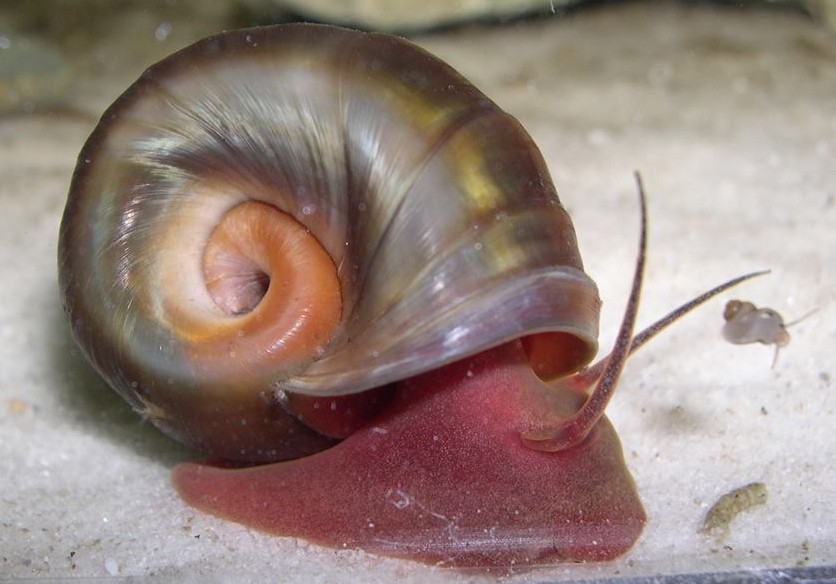
Close your eyes and imagine this: a small, spiral-shelled critter with a shape reminiscent of a ram’s horn, creeping along your tank’s glass walls, pebbles, and plants.
This diligent, round-the-clock worker is the Ramshorn Snail.
These mollusks may be slow movers, but they’re quick when it comes to cleaning up algae.
Ramshorn Snails have a seemingly insatiable hunger, devouring algae, decaying plant matter, and leftover fish food with gusto.
Their appetite doesn’t stop there. Ever seen those annoying biofilm and detritus layers in your aquarium?
Your Ramshorn pals can help keep these at bay too! Talk about multi-tasking!
The beauty of the Ramshorn Snail lies not only in its impressive cleaning capabilities but also its peaceful demeanor.
They go about their business without disturbing your fish, adding tranquility to your underwater community.
A word of caution, though. Ramshorn Snails are known for their prolific breeding habits.
If you’re not careful, you might end up with more snails than you bargained for.
So, it might be wise to control their numbers by limiting food availability or introducing snail-eating fish.
Remember, these snails, like any other aquatic species, have their specific needs.
They’ll appreciate a diet supplemented with calcium for shell health and a well-maintained water quality.
Malaysian Trumpet Snail
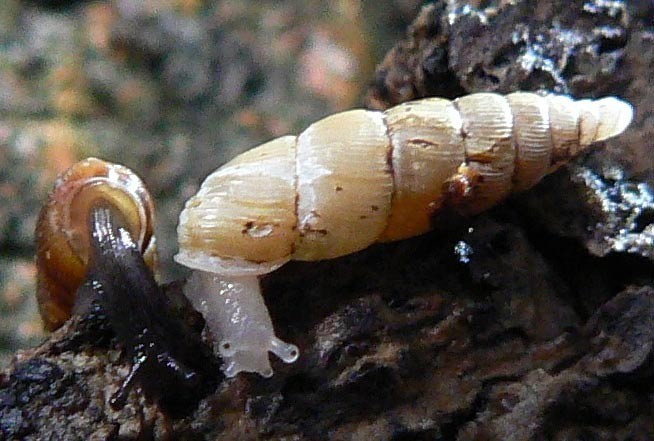
A small creature adorned with an elongated shell, which twists and turns into a shape resembling a trumpet.
This is our hard-working friend, the Malaysian Trumpet Snail, always ready for some serious algae busting.
But they don’t just stop at algae.
They are the perfect clean-up crew, working around the clock to consume any leftover food, decaying organic matter, and even that detritus you often spot lurking in your substrate.
One of the unique traits about Malaysian Trumpet Snails is their love for burrowing.
You’ll often find them digging into the substrate during the day and resurfacing at night.
This not only helps aerate your aquarium soil but also prevents the build-up of harmful gas pockets. Talk about double duty!
Malaysian Trumpet Snails are peace-loving creatures and get along swimmingly with other tank inhabitants.
Plus, they’re hardy little critters and can adapt to a range of water conditions.
Now, a word of advice for the uninitiated, these snails are quite the breeders.
If their population starts booming, you might want to limit their food supply or consider a few snail-predating tank mates.
Remember, they need calcium-rich water to maintain their shell health. So, don’t forget to check your water hardness periodically.
Best Algae Eating Shrimp
Red Cherry Shrimp
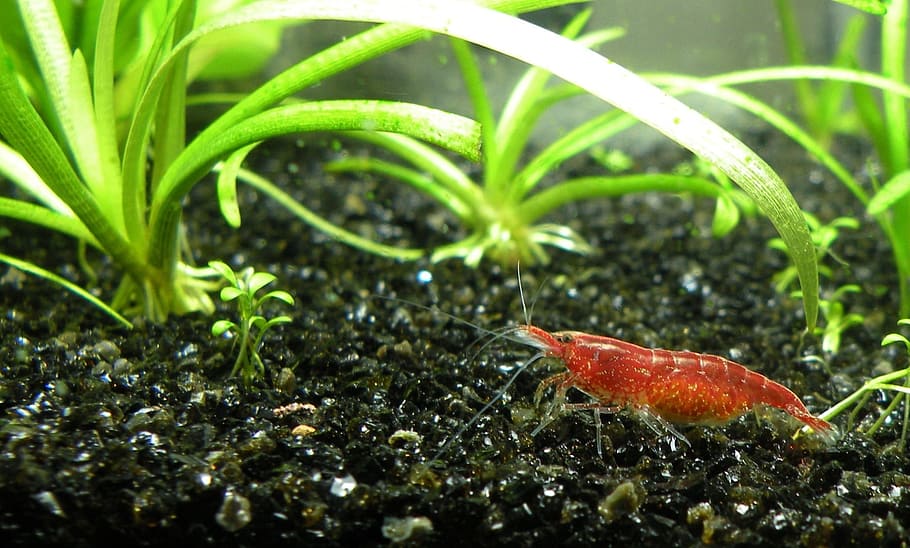
A petite, bright red creature, zipping around your tank, a lively spectacle to behold.
This dynamo is none other than the Red Cherry Shrimp, a delight for the eyes and a warrior against algae!
These little shrimp, despite their size, are prodigious algae eaters.
They keep your tank sparkling by tirelessly nibbling on soft green algae, and biofilm, giving your aquarium a fresh, clean look.
What’s even better? Red Cherry Shrimp are also scavengers.
Yup, they’ll happily eat any leftover food and plant debris that your fish friends leave behind. It’s like having a live-in housekeeper!
The Red Cherry Shrimp is peaceful by nature and will harmoniously co-exist with other small, non-aggressive aquarium inhabitants.
Just make sure there aren’t any larger, shrimp-eating fish around. After all, we wouldn’t want our hardworking shrimp to become a snack!
In terms of breeding, these shrimp are quite prolific.
But, don’t worry, an overpopulation of shrimp is rarely a problem, and in fact, their vibrant red color can be quite the visual treat!
Remember, just like the rest of our aquatic buddies, Red Cherry Shrimp have their own needs.
They prefer slightly alkaline water, and like many invertebrates, they’re sensitive to copper. So, avoid medications that contain it.
Amano Shrimp
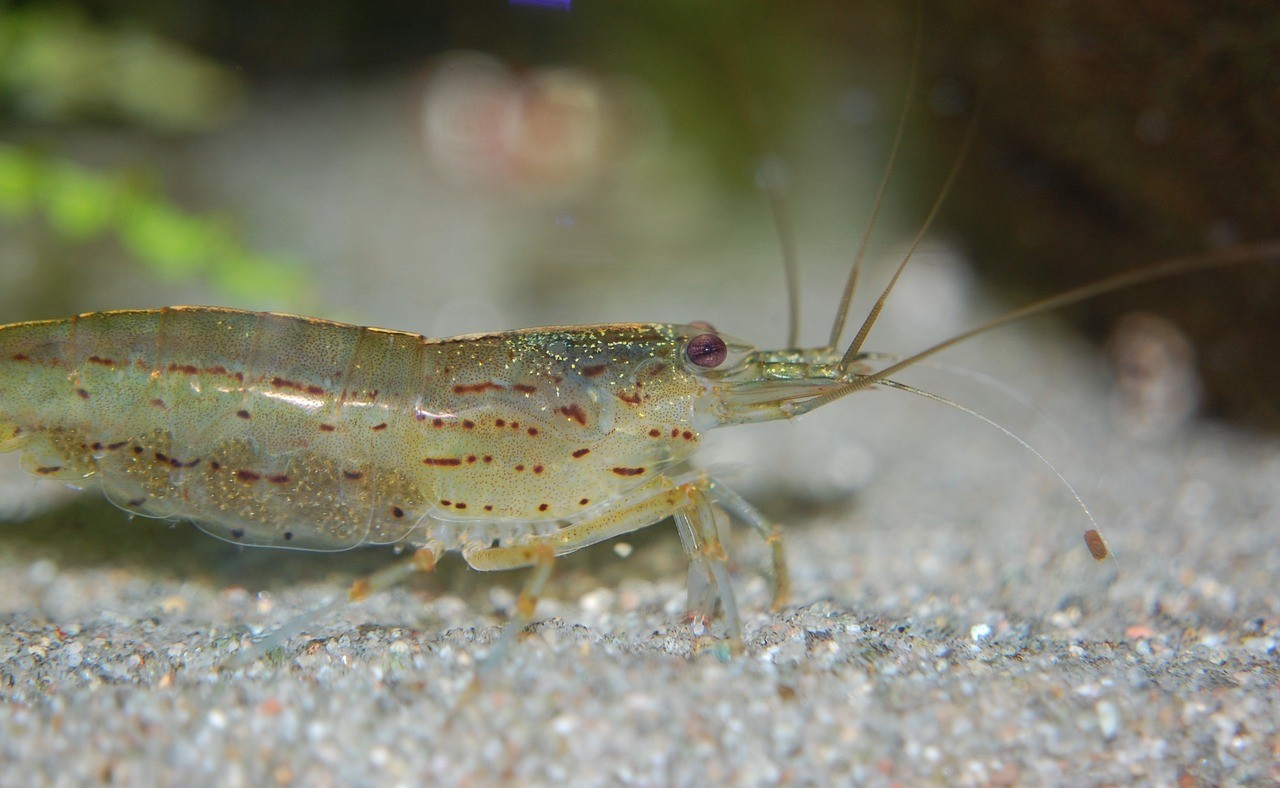
Visualize a transparent little marvel with dotted lines running down its back.
That’s the Amano Shrimp, a petite powerhouse when it comes to algae consumption.
Nicknamed the algae-eating machine, these shrimps are renowned for their voracious appetite for algae, making them perfect candidates for your natural cleaning crew.
The Amano Shrimp has no preference, be it hair algae, thread algae, or that stubborn green spot algae – all are fair game!
And let’s not forget, they’re scavengers too!
Fallen food particles, decaying organic material, even soft plant matter, the Amano Shrimp will consume it all, helping maintain your aquarium’s cleanliness.
Amano Shrimps are as peaceful as they come, content to amble along the tank floor, dodging their larger, more boisterous neighbors.
But remember, they’re not fond of aggressive fish species, so choose their companions wisely.
Breeding Amano Shrimp can be a bit of a challenge, as their larvae need brackish water to survive.
So, if you’re not in for a breeding adventure, you can easily control their population.
In terms of water conditions, Amano Shrimp aren’t too fussy.
They can adapt to a range of parameters, but do keep in mind, they appreciate stable conditions with no sudden changes.
Ghost Shrimp
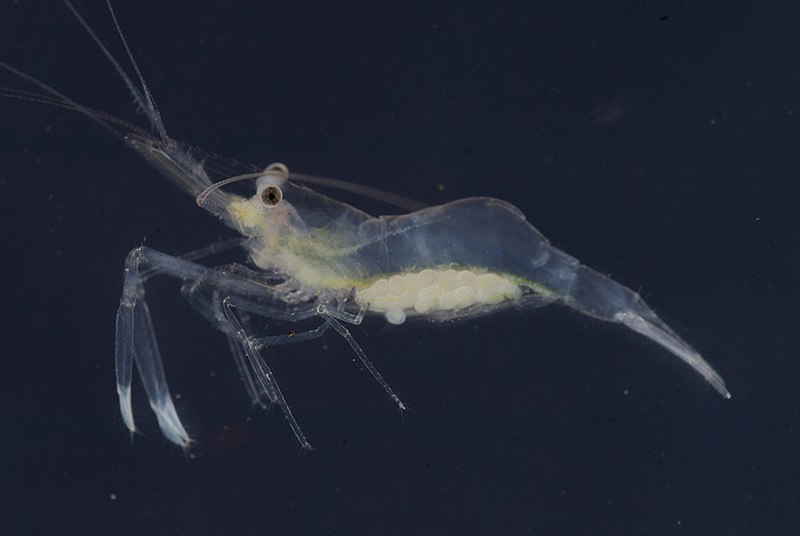
As transparent as its spectral name suggests, the Ghost Shrimp is a fascinating addition to any underwater community.
Don’t let their ghoulish names and clear-as-glass bodies fool you. These are no phantoms!
Ghost Shrimps are living, breathing, algae-consuming champions.
Their spectral bodies allow you to observe their inner workings in real-time – a mesmerizing, live anatomy lesson.
Ghost Shrimps have a modest appetite for algae, but boy, can they make an impact!
They happily munch on soft green algae, helping control those unsightly blooms.
Besides, their appetite for uneaten food and detritus keeps your tank spick-and-span.
One of the most extraordinary aspects of Ghost Shrimps? Their peace-loving nature.
They tend to mind their own business, cleaning the tank floor, while adding a dash of intrigue to your underwater world.
But remember, they’re just as vulnerable as they’re pacifistic.
Any aggressive tank mates could potentially turn your Ghost Shrimps into a snack. So, make sure to pair them with peaceful companions.
Breeding Ghost Shrimps can be a fun side project too! With no need for brackish water, you can expect a growing shrimp population given the right conditions.
In terms of adaptability, these ethereal critters are not particularly demanding, thriving in a variety of water parameters.
Just remember, consistency is key for these sensitive souls.
Understanding What Algae Eaters Cannot Do
Aquariums. Aren’t they amazing? They’re ecosystems in a box, teeming with life.
And in these ecosystems, our fishy superheroes, the algae eaters, diligently work around the clock.
But here’s the truth: they can’t do it all.
No, they’re not slackers, not in the least. It’s just that the job is so enormous that expecting them to single-handedly solve the algae problem is akin to expecting one gardener to single-handedly trim every hedge in Central Park.
A tad bit unfair, don’t you think?
Let’s put it in perspective. Imagine there’s a pizza party and more pizzas keep showing up every minute.
No matter how much you love pizza, there’s a limit to how much you can eat, right? Algae eaters are in a similar predicament.
They can only eat so much, and if algae growth is unchecked, it just becomes too much.
So what can we do? How do we ensure our algae eaters don’t bite off more than they can chew? We manage our aquariums smartly!
1. Regulate Lighting
Firstly, regulate the lighting in your aquarium. Long periods of light are like party invitations for algae.
So, limit the light to about 8-10 hours a day. And remember, indirect sunlight counts too!
2. Feeding Routines
Secondly, keep a close eye on your feeding routines. Overfeeding leads to excess nutrients, which are basically VIP tickets for algae to the nutrient buffet.
Be mindful of how much and how often you’re feeding your fish.
3. Regular Cleaning
Finally, embrace regular cleaning. We know, it’s a chore.
But cleaning your tank and changing a portion of the water regularly can help keep nutrient levels down, making your aquarium less hospitable for algae.
Care and Maintenance of Algae Eaters
In the wild, flowing rivers or calm seas, beneath the sun or moon, algae eaters perform their duties with an unmatched tenacity.
Translating this environment into a domesticated setting might seem like a daunting task, but fret not, aquarist!
With a sprinkle of patience, a dash of knowledge, and a healthy dose of love, we can craft a home for our algae-eating friends.
The Right Size Matters
Choosing a tank that gives your algae eater enough room to roam is critical.
Larger species like Plecos and Chinese Algae Eaters need at least a 20-30 gallon tank, while the smaller ones such as Otos or Nerite Snails could be comfortable in 10 gallons.
Always remember, bigger is often better!
Mimicking Their Natural Habitat
Algae eaters love an environment rich in natural decoration.
Driftwood for the Plecos, plenty of rocks for the snails, and plant thickets for the shrimp can make your aquarium a veritable haven for these creatures.
Monitor Water Quality
Keep an eye on your water parameters. Most algae eaters prefer neutral to slightly alkaline water, but each species has its own needs.
Regular water changes help maintain water quality.
And let’s not forget the temperature – our cold-blooded friends rely on us for their thermal comfort!
Food Diversity
While algae is the main course, it shouldn’t be the only item on the menu.
Supplement their diet with algae wafers, blanched veggies, or specialized shrimp or snail food.
Remember, a varied diet is a ticket to a healthy life.
Tank Mates Matter
Peaceful is the way to go. Algae eaters, in general, are non-aggressive and are best suited to tanks with equally peaceful inhabitants.
Watch out for any signs of stress or conflict!
Patience is a Virtue
Let your tank mature before adding algae eaters.
A newly set up aquarium might not provide enough algae or biofilm for them to eat.
Avoid Overstocking
It might seem like a good idea to add a swarm of algae eaters to battle a bloom, but this often leads to more problems.
Overstocking can stress your current residents and potentially degrade water quality.
Algae Eating Fish Conclusion
In the emerald realm of your aquarium, algae eating fish become the unsung heroes, the tireless janitors diligently clearing up unwanted green guests.
Yet, their importance extends beyond mere algae control.
These fascinating creatures, in their beautiful diversity, add a unique charm and vibrancy to your underwater world.
Understanding their habits, preferences, and requirements is no less than embarking on a thrilling journey that redefines the joy of fishkeeping.
Having walked through this comprehensive guide, you’re now armed with the knowledge to choose the best algae eaters for your tank, be it fish, snails, or shrimp.
Do you have algae eating fish in your aquarium? If so, which ones do you have? Let us know in the comments.
